




EY refers to the global organization, and may refer to one or more, of the member firms of Ernst & Young Global Limited, each of which is a separate legal entity. Ernst & Young Global Limited, a UK company limited by guarantee, does not provide services to clients.
How EY can help
-
EY helps healthcare organizations modernize care, optimize operations and use data, analytics and AI responsibly to improve access, quality and performance.
Read more
Global leaders agree on the path forward to the Future of Health in 2040
All these signals point to a segment of healthcare consumers who have more information than ever before and more options to circumvent the traditional healthcare system. Still, another group struggles with access and affordability. The deluge of available data creates stress for some, as 50% of those who track their health data feel inundated, compared with 39% who do not track.
Legacy models cannot offer the care experience that consumers seek. Health organizations have an opportunity to determine strategies for these different consumer personas to improve health and wellness. And there is a clear future model that can address all segments. But it will require bold leadership and diligent execution of a future-ready care delivery model that is grounded in three pillars:
- Citizen-enabled. This involves moving from episodic, reactive treatment of illness to continuous proactive support that reflects the reality of how people live their lives. It considers the system around them, including caregivers, friends and family who also may need to help navigate the system. Instead of being overwhelmed by data, health systems and patients will be driven by data insights that move them toward personalized pathways. Trust continues to be even more critical in this new paradigm.
“While many believe they are already patient-centric, the real challenge lies in truly placing the patient at the center of care. We must ask ourselves: how do we integrate digital solutions to serve them, rather than just serving our organization?” said Noor Shabib, Chief Strategy and Transformation Officer for King Faisal Specialist Hospital in Saudi Arabia.
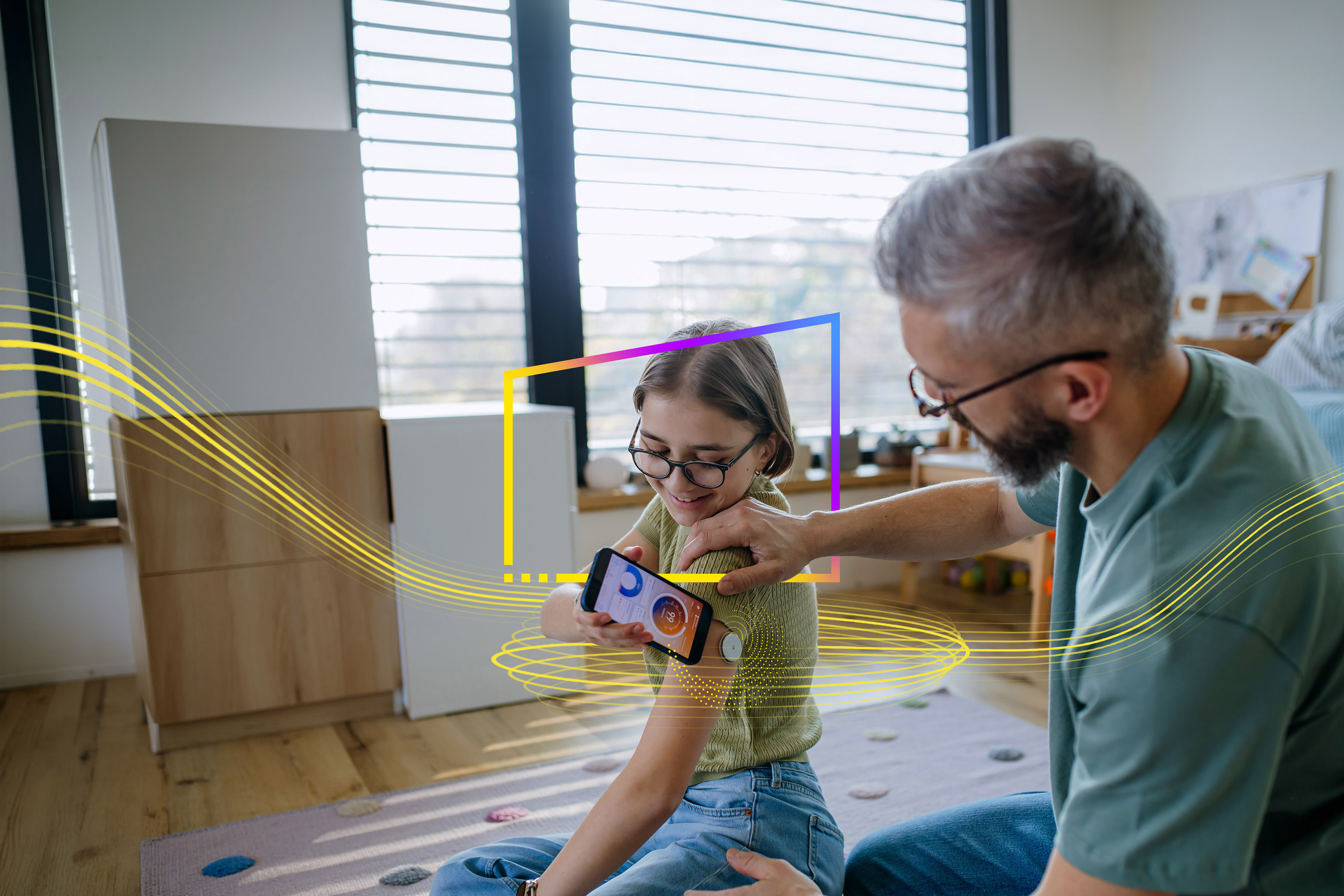
- Care is within reach of the patient wherever they are. The system shifts from hospitals dominating delivery by default to always-on support from diverse providers, enabled by wearables and sensors. Consumers no longer wait for disconnected appointments or for their condition to worsen to seek care. Care is delivered where and when the consumer needs it with a focus on prevention. But leaders will need to chart that path forward, sharing a clear vision to bring along all stakeholders to envision that future, from policymakers to patients and clinicians.
- Integrated to focus on outcomes. Current models are broken and health leaders can’t continue pouring resources into systems that don’t keep people healthy. The system must move from fragmented, activity-driven inputs to integrated systems focused on outcomes. “We should start with the invisibility of the system so the health system will be a continuous relationship between patients and providers and not a set of disconnected episodes as they are now,” said Jordi Piera Jimenez, CEO at openEHR International.
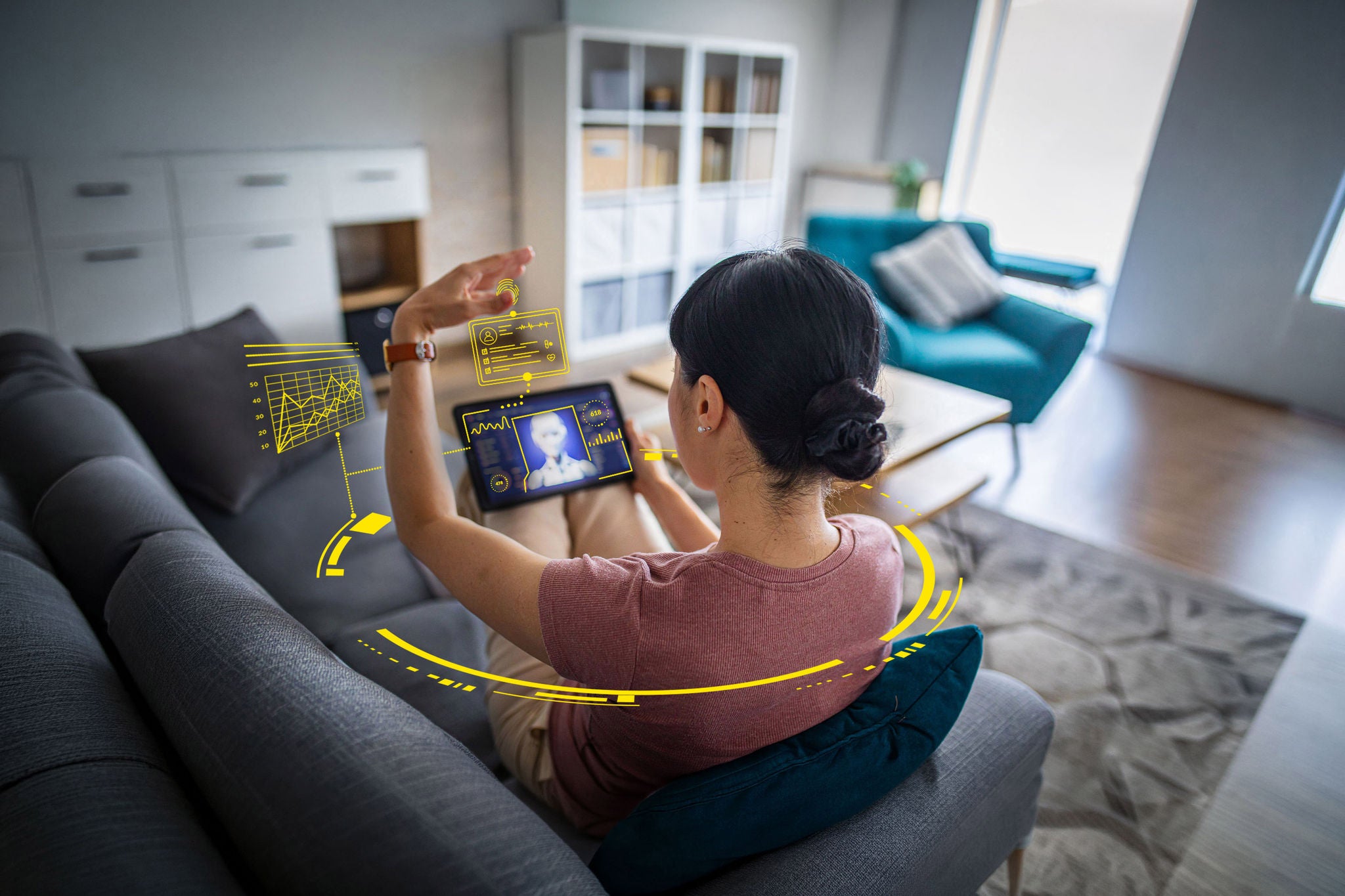
Health systems and consumers are collecting reams of data; the key will be not allowing systems and patients to be overwhelmed by it. Future-ready health systems will integrate data systems to extract powerful insights to drive toward preventative, personalized care pathways.