





Odisha’s roadmap for clean energy transformation

Odisha’s roadmap for clean energy transformation

Related topics

Paving a balanced pathway toward sustainability, resilience and inclusive growth through clean energy and innovation.


In brief

  • Odisha’s energy transition goals align with India’s net zero 2070 vision. Emphasizing on renewable energy expansion, grid modernization and industrial decarbonization.
  • Industrial electrification, EV growth and smart grid initiatives position Odisha as an emerging clean energy investment hub.
  • Transmission strengthening, storage integration and digital reforms are critical for enabling reliability, affordability and long-term energy security.

Odisha’s energy landscape is undergoing a structural transformation driven by the twin imperatives of economic growth and decarbonization. As India is advancing towards its net zero 2070 vision, the state is aligning its policy and infrastructure roadmap to enable a reliable and sustainable transition. Its focus is on renewable energy (RE) expansion, grid modernization and industrial electrification, which positions it as a key player in India’s clean energy transformation.

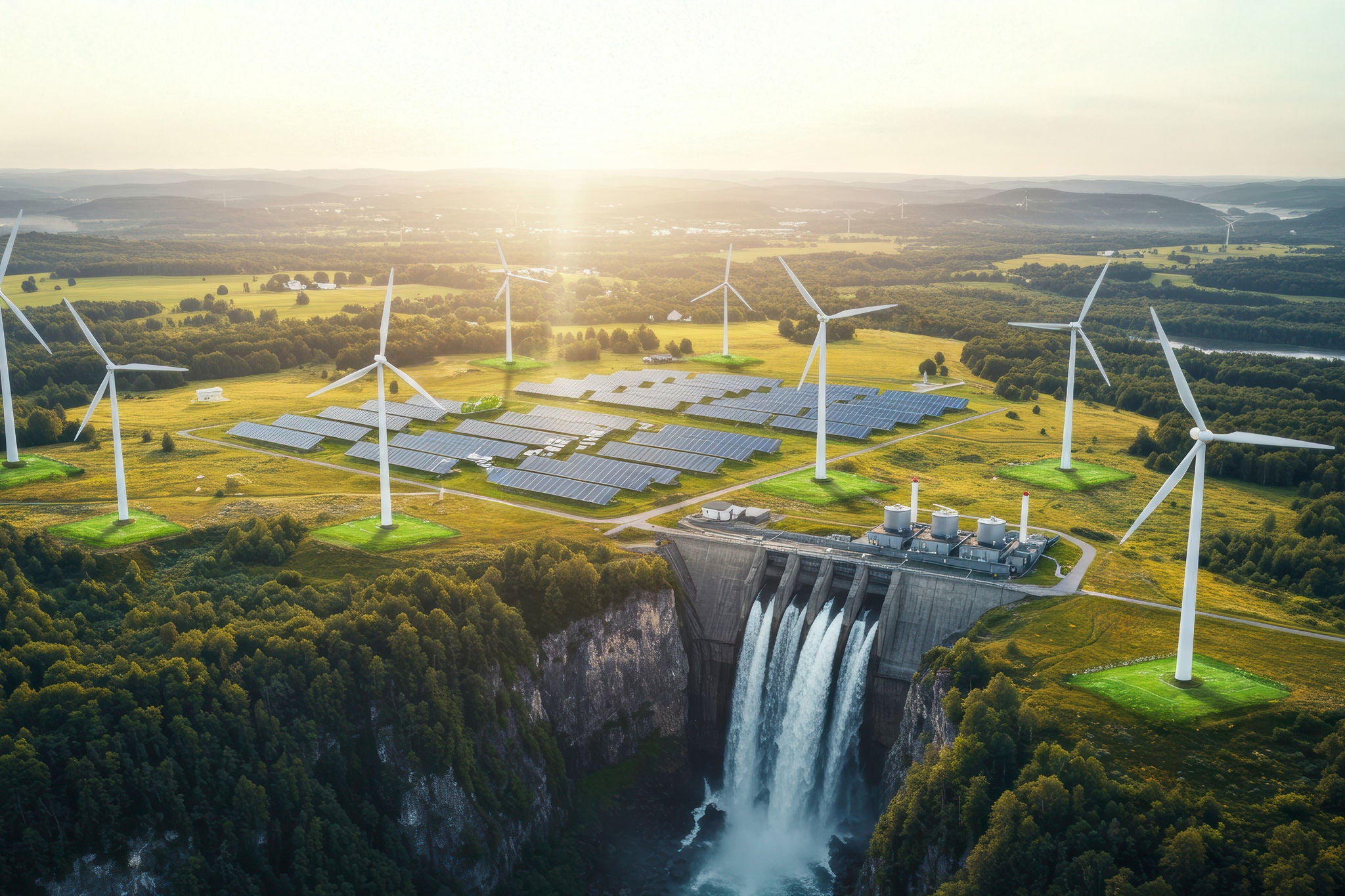
The ‘EY–ASSOCHAM report, Odisha Energy Transition – Chariots of Change’, highlights that Odisha holds one of India’s strongest clean-energy foundations, with 41 GW renewable energy (RE) potential and 34 GW pumped-storage capacity—a scale that positions the state to emerge as a clean energy engine for the nation.  The state’s RE potential offers a foundation for long-term energy security. The Renewable Energy Policy 2022 emphasizes large-scale solar parks, floating solar projects and hybrid installations to accelerate clean energy deployment. These initiatives are complemented with clear targets for renewable energy procurement and incentives to attract private investment in green power. By integrating RE generation with industrial corridors and port-based zones, Odisha is creating a pathway for clean and competitive industrial growth.

The transmission network is being reinforced through a series of regional and intra-state projects, including the Green Energy Corridor and Eastern Region Strengthening Schemes. These projects aim to enable renewable evacuation, enhance reliability and prepare the grid for future industrial and hydrogen-related demand.

Utilities are adopting a technology-driven modernization approach through the National Smart Grid Mission (NSGM) and Revamped Distribution Sector Scheme (RDSS), focusing on advanced metering infrastructure, GIS mapping, outage management and digital substations. Smart grid frameworks are evolving under diverse business models supported by robust monitoring, reporting and verification mechanisms. These reforms aim to reduce losses, improve billing efficiency and enhance consumer service delivery.

Energy transition dialogues

Industry leaders share insights and perspectives in energy transition through dialogues that address global challenges and opportunities with a shift towards renewables. Learn more here!

Know more

Electric mobility and energy storage are emerging as key enablers of the low-carbon future. EV adoption is expanding through state-level incentives and infrastructure development, while grid-scale and behind-the-meter storage systems are being explored to strengthen flexibility and reliability of EVs. Coupled with renewable energy, battery storage and smart metering solutions — these are set to play a pivotal role in balancing supply-demand variability and improving grid resilience.
 

Clean energy integration across manufacturing sectors supports decarbonization and net zero 2070 vision. Infrastructure projects such as the economic corridors and dedicated freight corridors enhance logistics efficiency and provide the backbone for green hydrogen and export-oriented industries.
 

 Green energy growth in Odisha demands balanced renewable energy growth with affordability, reliability and inclusive development. Transmission strengthening and digital transformation can together create a foundation for a resilient and flexible energy system. By advancing clean energy investment and industrial electrification, Odisha demonstrates how state-led innovation can contribute meaningfully to India’s broader net zero vision 2070 and Viksit Bharat 2047 goals.

Download the full pdf

Summary

Odisha’s energy transition goals highlight the importance of integrating renewable energy, smart grids and storage systems to enable reliability and inclusivity. The state’s focus on transmission strengthening, industrial decarbonization and digital transformation positions it as a model for balanced and sustainable progress. By aligning its strategy with India’s green transition goals, Odisha demonstrates how regional innovation and systemic reforms can together drive resilience, affordability and long-term energy security.

Related articles

Eigenvectors of net zero: Building a resilient energy future

Explore how India’s clean energy transition to 2070 must balance growth, equity, security, sustainability with AI-led smart grids, renewables, digital energy and green investments.

Towards resilience: The future of coking coal in India’s steel sector

Read how India’s steel sector faces soaring demand, import reliance, and sustainability pressures, hence reshaping coking coal’s role and future pathways.

How innovation is shaping India’s key sectors

Explore how innovation in India leads growth across agriculture, energy, healthcare via agritech, clean energy, telemedicine, AI and sustainable tech.

    About this article