




EY refers to the global organization, and may refer to one or more, of the member firms of Ernst & Young Global Limited, each of which is a separate legal entity. Ernst & Young Global Limited, a UK company limited by guarantee, does not provide services to clients.
Recent Searches
A unified push across agriculture, evidence and regulation can position India’s nutraceutical sector for global scale and lasting nutrition impact.
- India’s nutraceuticals sector is rapidly expanding
- Agriculture remains a strategic engine for India’s nutraceutical growth
- Operational priorities for strengthening India’s nutraceutical value chain
- Science, evidence and regulatory precision are the next frontiers for nutraceuticals
- Towards NutriBharat@2047: A roadmap for India’s nutrition and nutraceutical future
In brief
- India can move beyond food security by integrating functional foods innovation and nutraceuticals into a prevention focused nutrition approach.
- Agriculture, AYUSH heritage, clinical validation and FSSAI claims clarity would build trust and position India as a trusted global supplier for nutraceuticals.
- Nutraceutical sector growth could be holistically driven through research, regulation, value chains and digital systems improving access, quality and exports.
Global estimates place the annual economic cost of malnutrition at ~US$3.5 trillion, highlighting the scale of the challenge and the opportunity for prevention led strategiesi. India is moving beyond calorie sufficiency to focus on improving overall nutrition, as persistent micronutrient gaps coexist with rising noncommunicable diseases. Regional assessments show that while food access has improved, diet quality and micronutrient adequacy remain uneven across LMICs, including Indiaii. Nationally, trends in anemia and dietary diversity highlight the need for nutrient density across life stages, especially for children and womeniii iv.
Within this context, functional foods and nutraceuticals have a complementary role: guided by scientific validation, transparent claims and responsible dosing, they can help close specific nutrient gaps and support preventive health, alongside staple based programs such as ICDS and school mealsv.
Nutraceuticals sector is expanding
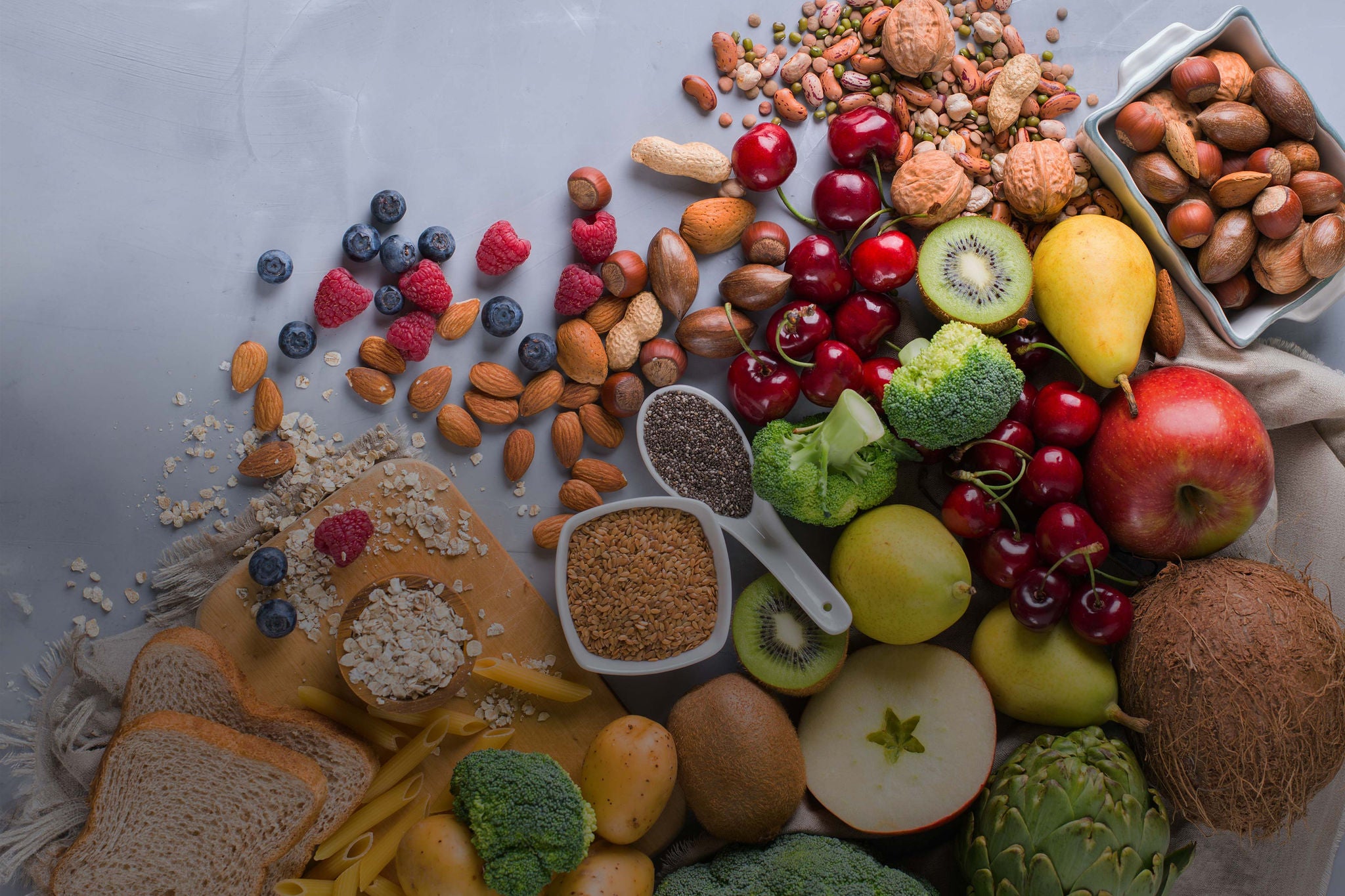
According to a recent EY-ASSOCHAM report titled NutriBharat@2047: India’s nutritional transition through nutraceuticals and functional foods, the global demand for nutraceuticals is growing, with projections indicating a market of ~US$1.12 trillion by 2034vi. India is experiencing rising adoption across plant based protein, women’s health, metabolic health, active/sports nutrition and functional beverages. This is evident by changing consumption patterns and preventive health awareness. Yet India’s global share remains modest, due to limited standardization, inconsistent evidence and claims that do not translate beyond domestic borders.
Global models illustrate how credibility scales markets. The US shows the impact of clear post market expectations and a US$158+ billion supplements economyvii; ASEAN demonstrates how harmonized GMP/claim standards ease multi country launchesviii; Japan’s FOSHU/FFC links graded evidence to public dossiers and uses an official seal that strengthens consumer trust. For India, the pivot is to move from bulk botanicals to finished, claim substantiated products with rigorous evidence files and precise labelingix.
India’s AYUSH heritage provides a strong base of botanicals such as turmeric, ashwagandha, moringa and amla. Modern delivery technologies and India‑specific clinical studies can further improve their effectiveness and consistencyx.
Agriculture remains a strategic engine for the sector
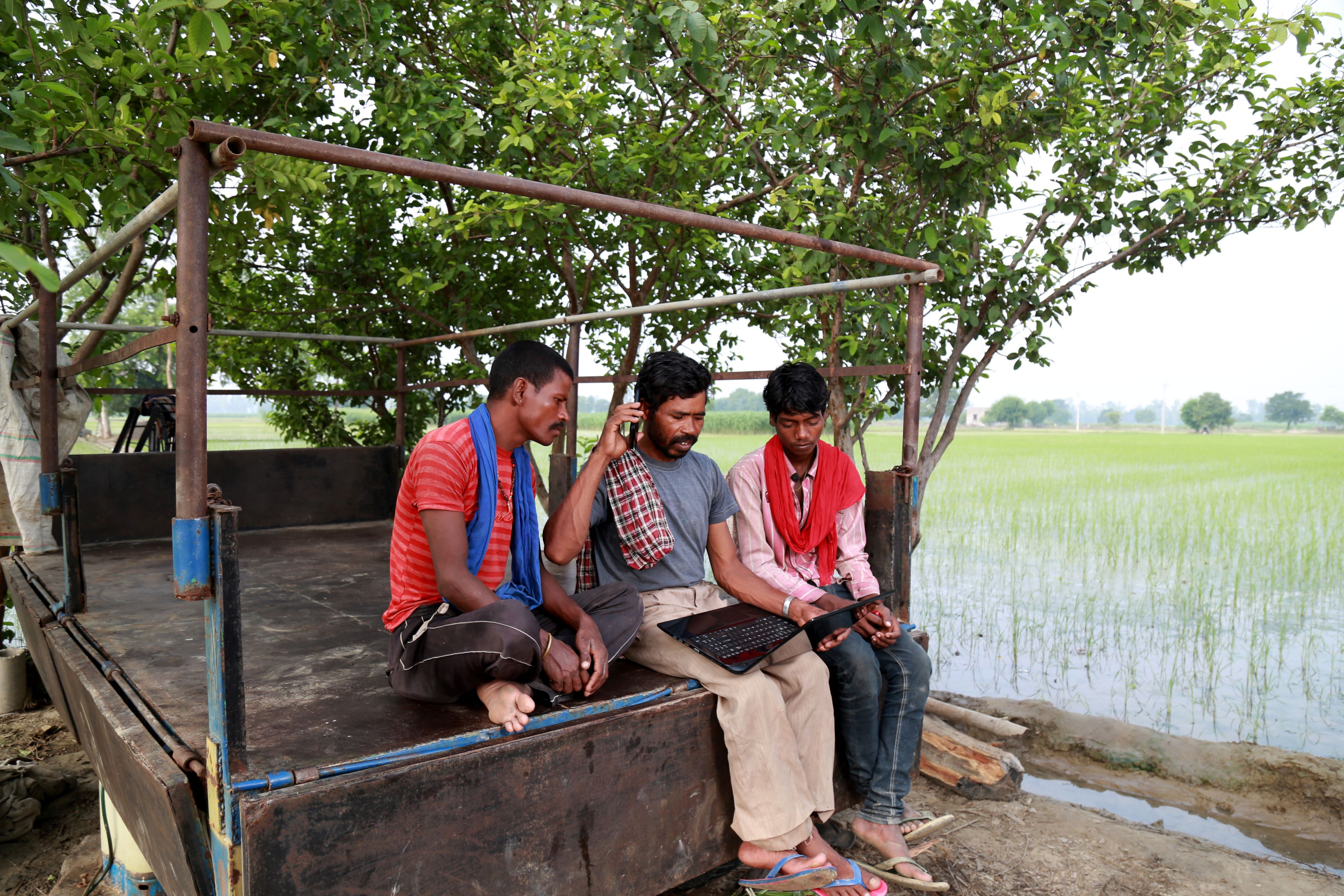
Agriculture remains India’s structural edge. India is one of the world’s largest producers of millets, pulses, turmeric, and a wide range of medicinal and aromatic plants, giving it a natural advantage in supplying bioactive rich ingredients for nutraceuticals. Biofortification initiatives, such as zinc enriched rice and iron dense millets, demonstrate how trait improvement can lift nutrient intake at scale. Farm to fork traceability through organized value chains, including FPO-led millet clusters and standardized turmeric cultivation, showcase smallholder diversity can be translated into specification grade inputs with consistent curcuminoid ranges and low GI grain profiles.
Operational priorities now include:
- GAP certified cultivation with digital traceability from soil to SKU to assure quality and provenance.
- District level bioactive processing hubs to deliver reproducible extract profiles and stability validated batches.
- GI anchored origin branding for high value botanicals to secure higher‑value export markets.
Science, evidence-based nutraceuticals and regulatory precision are next frontiers
India now requires a unified credibility stack, anchored in claims discipline, building globally credible nutraceutical products via science and digital transparency, to unlock the next phase of nutraceutical growth.
- Move toward clear and predictable claims rules, with standard evidence requirements, fixed review timelines and a public claims registryxi.
- Set up an independent India Food Health Claims Authority to align standards of food, nutraceuticals and AYUSH.
- Prioritize India specific randomized controlled trials, strong bioavailability studies and common test criteria for multi ingredient botanicalsxii xiii.
- Use joint research platforms linking ICMR, CSIR, AIIMS and SAUs to speed up product development.
- Establish a strong nutrivigilance system to improve safety and continuous learning.
- Build connected digital registries for ingredients, claims, safety events and traceability.
- Use AI/ML to predict quality issues, flag anomalies and verify claim evidence.
- Enable API based submissions to shorten review times and limit misinformationxiv.
Towards NutriBharat@2047
A mission mode approach linking functional crop corridors, bioactive parks, clinical validation frameworks and unified claims governance would anchor durable nutrition gains, resilient value chains and export readiness. By strengthening India’s farm to fork nutrition traceability through agriculture, AYUSH, research, regulation and digital infrastructure, India can build a nutraceutical and functional foods ecosystem that is globally competitive and locally transformative by 2047.
Contributors:
FAQs
Download the full pdf
Summary
India’s nutraceutical growth hinges on science-led innovation, clear standards and trusted supply chains. By integrating biodiversity and using AYUSH botanicals to close micronutrient gaps with clinical validation, transparent FSSAI regulation and end-to-end traceability, India can move from raw exports to high-value functional foods. Coordinated action across research, regulation, digital systems and public programs can drive nutrition security in India and global leadership.
How EY can help
-
EY helps governments and public sector entities drive policy reform, improve service delivery, and build trust through digital, data-driven transformation.
Read more -
Government & Public Sector service teams at EY help governments in digital transformation, improving service delivery, citizen experience & public trust
Read more -
Our international development professionals can help you with your development projects to deliver the best outcomes for your organization.
Read more
Related content
Expectations from Union Budget 2026: Agri sector’s access to finance
Union Budget 2026 is expected to expand affordable, climate-ready agricultural credit, strengthen Kisan Credit Cards, and improve access for women farmers.
Expectations from Union Budget 2026: Climate-resilient agriculture
The Union Budget 2026 is expected to boost climate-smart agriculture, improve small farmers’ incomes, expand credit access and promote sustainable farming.
Expectations from Union Budget 2026: Ensuring food security
Union Budget 2026 is expected to boost India’s 1.4 billion population's food security via agri reforms, self-sufficiency in oilseeds & pulses, resilient supply chains, and nutrition.