Recent Searches


Explore how India can tackle air pollution through cleaner transport, emissions control, better monitoring and coordinated action for healthier communities.
In brief
- India’s air pollution affects health and economic wellbeing and thus requires coordinated action across cities and states.
- Clean-air programs must translate into sustained implementation, reduced exposure and measurable health gains.
- Practical solutions span dust control, local monitoring, cleaner transport, industrial emissions and alternatives to crop-residue burning.
Air pollution in India is more than a seasonal concern. Across urban, peri-urban and rural communities, it affects health, livelihoods and productivity. The EY–FICCI recommendation paper, Clean air, healthy India, calls for moving beyond episodic responses towards sustained implementation. Its central message is that improving air quality in India must translate into measurable reductions in exposure and better health outcomes.
The connection between air pollution and public health extends beyond affecting lungs. The report highlights that PM2.5 pollution is associated with respiratory and cardiovascular disease, including heart attacks and stroke. The health impacts of air pollution also impose economic costs through treatment expenditure, lost working days and reduced productivity. Environmental health must therefore become integral to development planning, rather than remain a separate regulatory concern.
The report identifies industrial emissions, vehicular emissions, construction dust pollution, crop residue burning, thermal power generation, waste burning and polluting household fuels as major contributors though the level may vary by location and season. While combustion is a major contributor to fine particles, PM10 pollution is strongly influenced by road dust, construction and material handling. Effective air pollution control measures therefore need to reflect these differences.
India has established a policy foundation through the National Clean Air Programme (NCAP), cleaner vehicle standards and clean-cooking initiatives. The report notes that 103 of 130 NCAP cities recorded PM10 reductions between 2017–18 and FY24–25, with 64 achieving reductions greater than 20%. However, progress remains uneven. It recommends retaining PM10 tracking while adding explicit PM2.5 targets, precursor-gas controls, exposure indicators and health-linked monitoring.
The Air Quality Index (AQI) supports public communication, while the Graded Response Action Plan (GRAP) provides an emergency-response framework for Delhi-NCR. Neither replaces year-round source controls. Because pollutants cross administrative boundaries, the report advocates airshed-based air quality management: coordinated action across neighboring cities and states, supported by shared evidence and clear responsibilities.
How can India reduce air pollution?
Practical air pollution solutions in India include closed-loop construction sites with barriers, covered materials and wheel washing; smart traffic systems that reduce idling; and continuous industrial-emission monitoring. Cleaner zig-zag brick kilns and battery-hybrid backup systems can address additional sources. Crop-residue value chains linking machinery, collection centres, timely payments and assured buyers can provide alternatives to burning.
How can technology improve air quality monitoring? Calibrated hyperlocal sensors can identify exposure hotspots around schools, hospitals, roads and industrial areas. Independent testing before large-scale procurement can strengthen confidence in emerging technologies. Pooled financing can combine similar smaller projects into investible programs, helping interventions scale.
Ultimately, clean air strategies for Indian cities must connect clean mobility, sustainable urban development, industrial compliance and healthcare preparedness. Governments can enable predictable standards and outcome-linked funding; businesses can improve operations and workforce health; healthcare institutions can strengthen surveillance and advisories; and communities can participate in local decisions. The report’s priority is not simply more interventions, but accountable delivery—verified through lower pollution, reduced exposure and tangible public-health benefits. Clean air and economic resilience should advance together through sustained national commitment.
Learn more about air pollution control and clean air solutions in India
Download the full pdf
Summary
India’s clean air challenge demands a shift from short-term pollution responses to lasting improvements in public health. Coordinated regional action, stronger monitoring and targeted interventions can reduce exposure. Priorities include cleaner transport and industrial operations, better dust management and viable alternatives to crop burning. While existing programs have delivered progress, uneven results underline the need for clearer targets, reliable evidence and accountable implementation. Technology and pooled financing can help scale solutions, but success ultimately depends on governments, businesses, healthcare institutions and communities working together to achieve healthier lives and economic resilience.
How EY can help
-
EY helps governments and public sector entities drive policy reform, improve service delivery, and build trust through digital, data-driven transformation.
Read more -
Government & Public Sector service teams at EY help governments in digital transformation, improving service delivery, citizen experience & public trust
Read more -
Our international development professionals can help you with your development projects to deliver the best outcomes for your organization.
Read more
Related content

Accelerating India’s transition from food security to nutrition security
India’s shift from food to nutrition security highlights the role of functional foods, nutraceuticals, agriculture, science and regulation in preventive health.

How data analytics and AI in government can drive greater public value
Discover how data analytics and AI in government can drive greater public value and learn lessons from successful government organizations. Find out more.
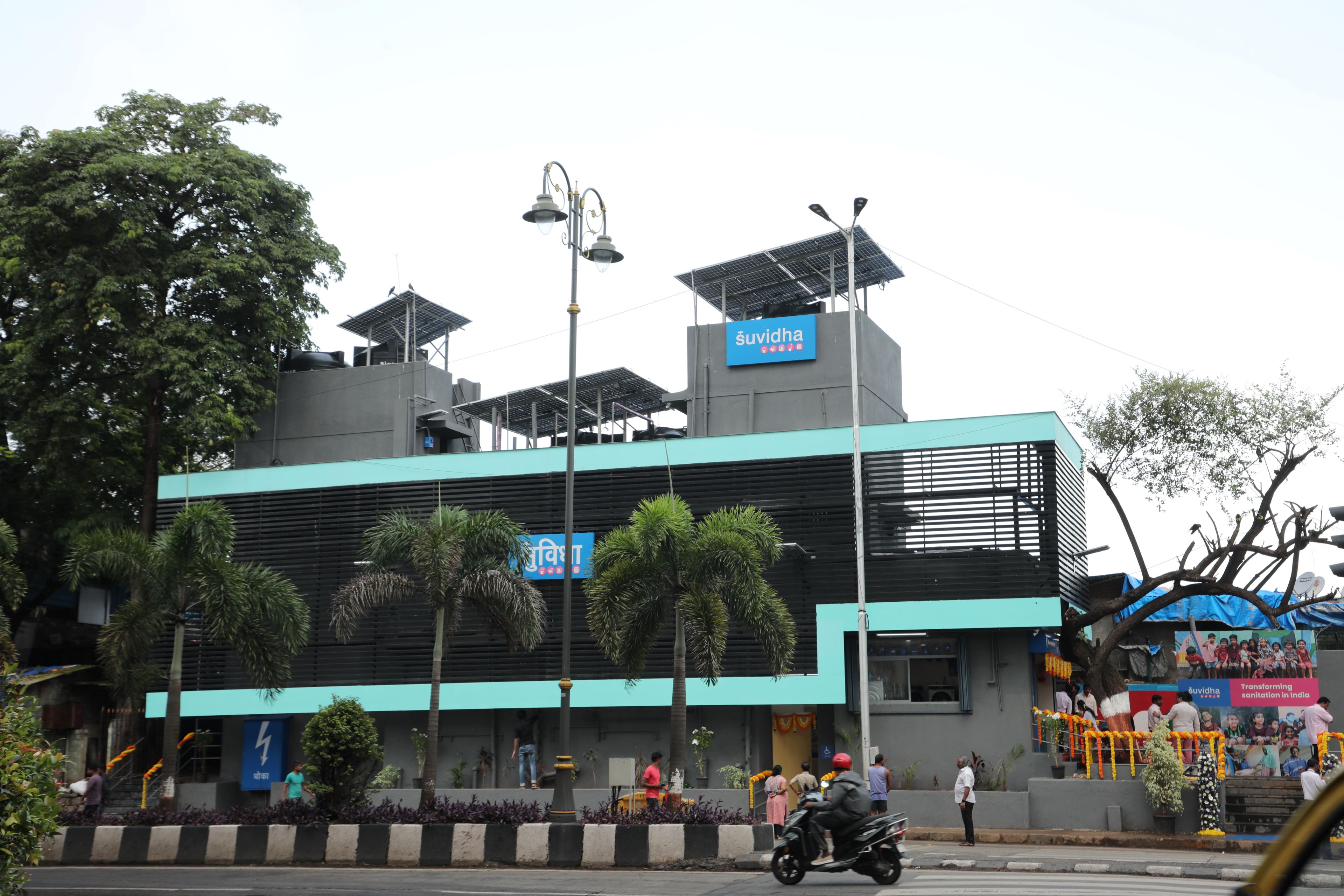
How HUL’s Suvidha Centres are transforming sustainable sanitation in Mumbai
HUL’s Suvidha Centres are boosting sustainable sanitation in Mumbai - clean toilets, solar-powered hygiene hubs, community governance and public health impact.