

EY refers to the global organization, and may refer to one or more, of the member firms of Ernst & Young Global Limited, each of which is a separate legal entity. Ernst & Young Global Limited, a UK company limited by guarantee, does not provide services to clients.
Recent Searches
How can firms self-regulate their use of Generative AI?
Explore Generative AI's ethical challenges and the need for robust, inclusive AI regulations to ensure India stays competitive and aligned globally.
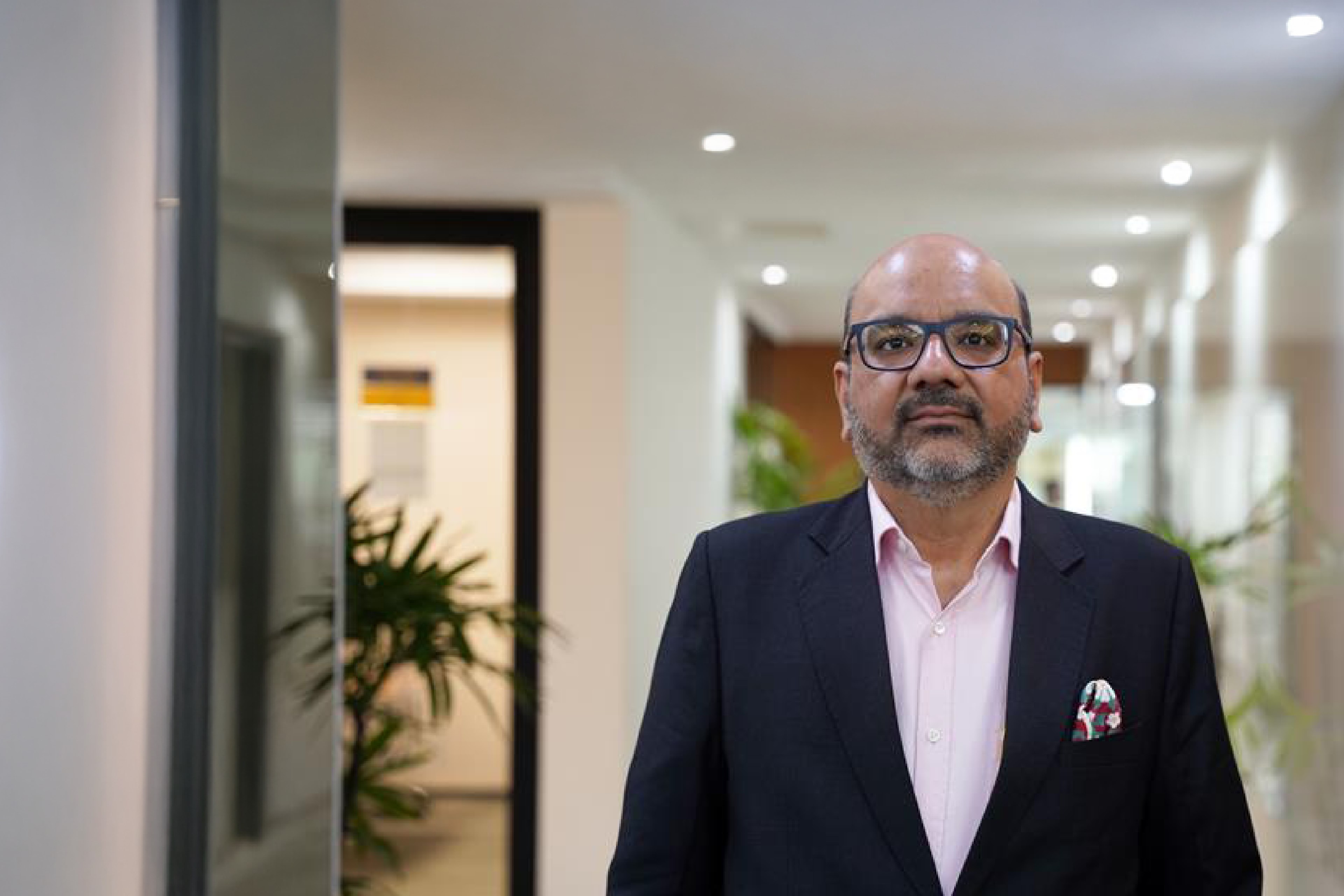
In this episode of EY.ai Unplugged, Abbas Godhrawala, Partner – Digital Risk Consulting, EY India, explores the growing need for robust regulations in the age of Generative AI. As AI capabilities expand rapidly, so do the ethical and governance challenges. Abbas highlights why it is critical for India to build a flexible, inclusive regulatory framework and participate in global discussions to stay competitive and compliant.
Key takeaways
- Urgency of regulation: Generative AI’s potential for misuse makes real-time regulatory monitoring essential.
- Global momentum: Frameworks like the EU AI Act, NIST AI-RMF, ISO 42001, and HITRUST are shaping global compliance norms.
- India’s evolving stance: While formal AI laws are still emerging, national strategies and principles for responsible AI are guiding initial steps.
- Global alignment: India must engage internationally to ensure local innovations meet global regulatory standards.
For your convenience, a full text transcript of this podcast is available on the link below:
If you would like to listen to our podcasts on the go:
Podcast
Episode 19
Duration
3m 13s
How EY can help
-
Our Consulting approach to the adoption of AI and intelligent automation is human-centered, pragmatic, outcomes-focused and ethical.
Read more -
Drive business growth with technology transformation solutions at EY - integrating tech, operations & architecture to build agile, data-driven organizations
Read more -
Explore Digital Transformation Services at EY, helping businesses innovate, manage risks, seize opportunities & drive sustainable growth with IT solutions.
Read more