EY helps clients create long-term value for all stakeholders. Enabled by data and technology, our services and solutions provide trust through assurance and help clients transform, grow and operate.
At EY, our purpose is building a better working world. The insights and services we provide help to create long-term value for clients, people and society, and to build trust in the capital markets.
What it will take to make steel production in India sustainable
Listen to our podcast and explore how hydrogen, innovation and regulation combine to scale sustainable steel production in India’s energy transition journey.
Welcome to Energy Transition Dialogues, a podcast series by EY India Insights, where we delve into the innovations and policies shaping India’s energy transition. In this episode, Vinayak Vipul, Partner at EY-Parthenon India focuses on the future of the steel sector. He explains the evolving role of coking coal in the steel sector’s journey toward sustainability and resilience and the need to balance dependence on imports, especially in terms of India’s decarbonization goals.
Vinayak highlights several strategies, emphasizing the importance of diversifying sourcing and investing in domestic infrastructure. Green hydrogen is considered a must to increase green steel production, which the National Steel Policy aims to facilitate. With a focus on long-term sustainability, Vinayak outlines the necessary policy interventions and technological advancements that can drive India toward a more resilient and sustainable steel sector.
Key takeaways
As a large part of steel produced in India is through the blast furnace route, coking coal demand is likely to rise.
Heavy dependence on imported coking coal can mean multiple risks: price volatility, price indexation and supply security.
Reducing dependance on a few countries, moving towards a blended sourcing model, investing in stockpiles and upgrading capacity of washery network can build resilience.
Structured diversified sourcing would include not just spot buying but long-term partnerships, including investing in developing overseas mines.
In India, term contracts, back-to-mine partnerships and acquiring assets in other countries are becoming essential for Indian players.
Hydrogen-based steelmaking and electric arc furnaces are some of the technologies that can lead to completely green steel production by 2070.
Short-term policy support includes approvals for new washeries, mining of domestic coal and providing incentives for advanced beneficiation.
Long-term policy support could be use of green hydrogen, direct subsidies for hydrogen pilot projects, tax benefits and mandatory green steel procurement by government.
For tools such as carbon pricing and green finance, the government can collaborate with financial institutions for project financing.
These initiatives can infuse direct capital into hydrogen, carbon capture units, and circular economy solutions in the National Steel Policy.
This is what I see in terms of the steel strategy for India: to not just cope with the decarbonization pressures, but also to stay competitive in the export market.
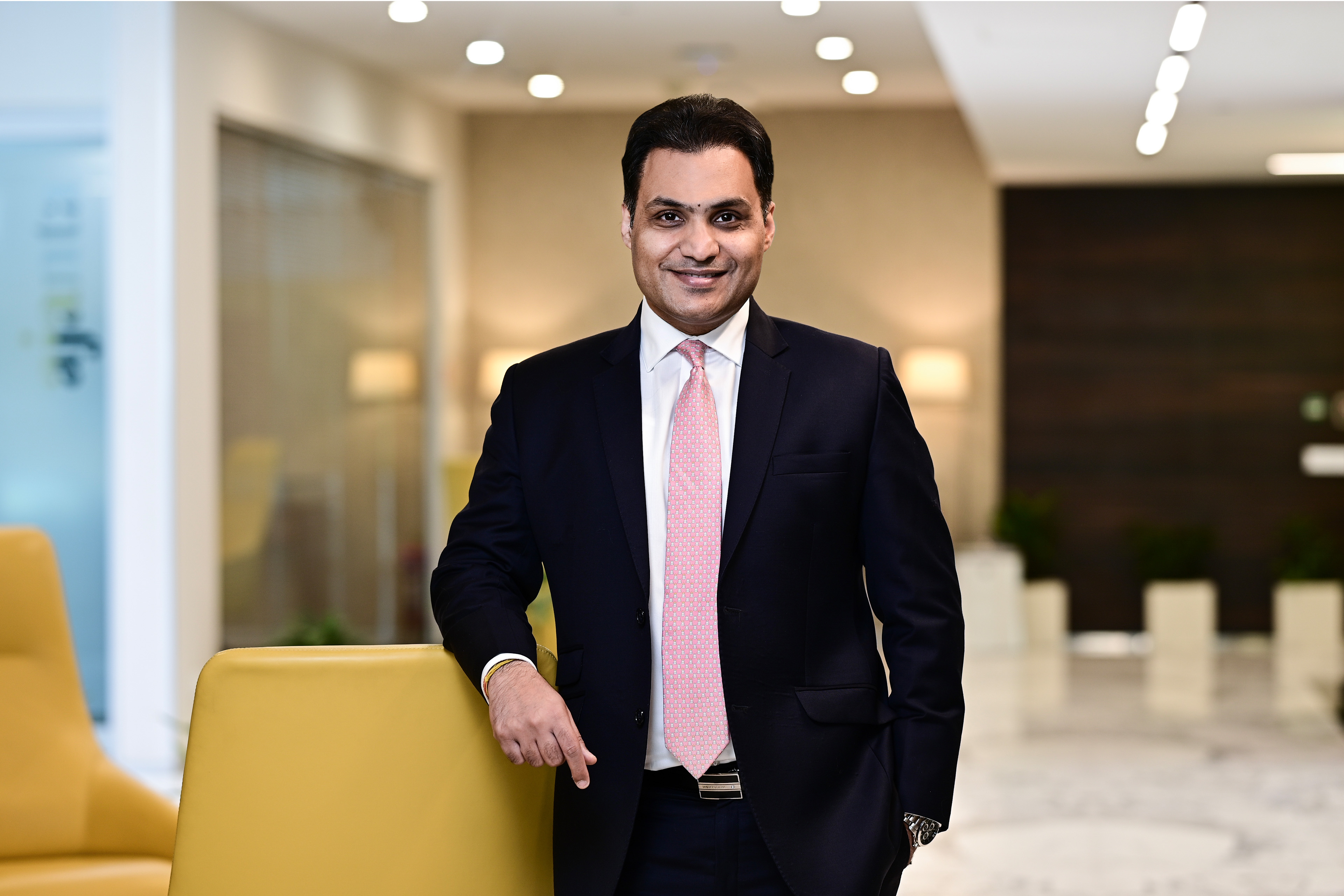
Vinayak Vipul
Partner at EY-Parthenon India
For your convenience, a full text transcript of this podcast is available on the link below:
Pallavi Janakiraman:
Hello and wWelcome to Energy Transition Dialogues, a podcast series by EY India Insights, where we explore the ideas, innovations, and policies shaping India’s energy transition journey.
In this episode, we turn our focus to one of the cornerstones of India’s industrial growth: the steel sector and the evolving role of coking coal in its path toward sustainability and resilience.
Joining us today is Vinayak Vipul, Partner at EY-Parthenon India, who will share his perspectives on how India’s steel industry can balance its dependence on coking coal with the nation’s decarbonization goals, and what it means for the future of industrial transformation in the country.
Vinayak, A very warm welcome to you and thank you for joining our podcast!
Vinayak Vipul:
Thank you, Pallavi, for having me.
Pallavi:
Thank you, Vinayak. Now, to begin with, how is India's demand for coking coal evolving and what are the challenges that you see the domestic reserves pose?
Vinayak Vipul:
India's coking coal demand is directly linked to the steel production, which is done in the country given that a large part of steel is produced through the blast furnace route. Coking coal demand is likely to rise in the foreseeable future. The National Steel Policy is aiming for around 300 million metric ton of crude steel capacity and at a 70% utilization, around 210 to 220 million metric ton will get produced.
Which then means that from the current demand of around 80-85 million metric tons of coking coal, it will go up to close to around 135 million metric tons. And, in the next 4 to 5 years, one can see, almost 50% to 60% increase in the overall demand for cooking coal. This is how the demand is evolving.
But when we talk about the challenges, in the domestic reserves, we have huge reserves. But the biggest challenge is that the ash content of the domestic coking coal is very high. Just to put it in perspective, if internationally, the ash content varies between 9%, 13%, 14%, in India the ash content is above 30%.
And to be able to make it usable for the steel industry, one has to wash it. And on an annual basis, we are producing close to around 240 million metric tons of, raw coal. And we are likely to produce it, in the near future as well over the next 4 to 5 years, but only 15 to 20 million tons of that will be usable after washing.
So, despite having good, quantum of reserves, the quality of coal because of the ash content is not good. And hence the usability is low. When we look at all the other factors which are driving the exploration and mining of, coking coal in India, there is mine development, which gets delayed because of, land clearances and a host of approvals that are required for the wash infrastructure, which India has, but which is not very advanced right now.
Clearly the capacity is very low. This is leading to shortfall in domestic supplies, and hence the reliance is very, high on imported coking coal.
Pallavi:
Thank you, Vinayak. Given this reliance on imports, what risks does it create, and how can India build resilience?
Vinayak Vipul:
A large quantum of coking coal is imported; close to around 90% is imported. And there are multiple risks that we are exposed to because of that…, price volatility and price indexation, which is, done by the global players and the index is used. That's one of the biggest risks, followed by supply security.
We have seen that whenever the weather conditions in countries like Australia, and specifically in Queensland, deteriorates or something happens, or if there are certain geopolitical events impacting the, seaborne supply of this material, the supply security takes a hit. Most of our imports, in fact, more than 50% to 60%, are from Australia right now.
Because of its geography, the risk in Australia gets amplified while we are trying to mitigate it by forcing it through Russia, the US and, Mozambique. But again, because of the weather conditions, the geopolitical aspects and pricing, Indian steel manufacturers are always exposed to this risk. To be able to sort of build resilience or mitigate these risks, clearly, one of the steps that Indian suppliers have taken and the government is supporting as well, is to diversify the supply sources.
So, if our dependance on Australia earlier was to get more than 70% to 80% of coking coal, it has come down to around 55% to 60%. But again, this has to be done in a structured manner with these countries, wherein we are not just spot buying, but entering into long- term partnerships. Even if it means that we have to invest in, developing overseas mines, we should do that.
Second point is again to take care of weather and weather- related challenges. I think having the right stockpile near the steel clusters, which could mean that, for the months of monsoon or before or after, somewhere around 3 to 6 months of stock, if that is kept, then this can sort of provide the cushion to players against supply disruptions.
And third, clearly, given the reserves that we have of the domestic coking coal, which is currently not usable because of the high ash content, if we were to develop a strong washeries network and wash as much coal as possible, which is coming from the domestic mines, then also some of these supply challenges can be looked at.
But to be able to do all this, whether it is imported coal or domestic coal, India as a country has to invest a lot on building its logistics infrastructure. There are initiatives being taken to build dedicated rail corridors. Ports are coming up with modern infrastructure established.
I think, we are moving in the right direction. Only the pace is something which we have to work on.
And then finally, if the mines have to be allotted, to steel players or to private miners, the way we are doing the auctioning and the transparency around it needs to be improved further so that the entire system can be made more reliable.
Pallavi:
Thank you, Vinayak. Adding to the previous question on imported coking coal and global supply fluctuations, how do you see the pricing dynamics evolving for domestic players, especially with respect to cost competitiveness and volatility?
Vinayak Vipul:
In the short run, I think we will still be exposed to pricing related risks. When I say short term, I think 20, 30 and next for five years, we will be, exposed to these risks because of the supply concentration and, the currency linked dependencies that we have. And even with the diversification initiatives that we've taken, given our dependance on Australia, where the index linked FOB prices are highly volatile, and are impacted by the climate changes and the China's spot buying cycles, we will be exposed to these risks. Now to be able to sort of mitigate these risks in a way to offset the price instability, we as Indian producers will have to move towards a blended sourcing model, integrating the lower- cost to semi-soft Russian coal and the Indonesian mid-volatile grades, to trim the fuel mix costs, without compromising on the metallurgical properties. That is something that we would have to start doing.
Secondly, term contracting, and back to mine partnerships which are on the rise right now, we would have to do a lot more of that. And also for some of the Indian players to participate in acquiring assets in countries like Mozambique. We will have to do that too. Players will continue to sort of hedge the risk of currency. Aspects of logistics integration will have to be worked upon. Domestic beneficiation and upgrades to the entire infra will be required to be able to stabilize the ex-plant cost structures.
These will go a long way in providing some safety and security on pricing shocks, but will not eliminate the risk altogether. But some of these steps can help us manage issues related to pricing.
Pallavi:
Thank you, Vinayak. Pivoting towards steel. Steel is also a major emitter. So what role can technologies like hydrogen steelmaking, electric arc furnaces and carbon capture play in reducing the dependance on coking coal?
Vinayak Vipul: Like I mentioned that in the foreseeable future, while the dependance is reducing, it will not go down to a large extent given a lot of investments that players are making right now or the investments which have been announced for future or in the BF and BOF route (Blast Furnace-Basic Oxygen Furnace) of steelmaking only. But having said that, technologies will take us away and, and our estimate is that the play of BF and BOF will go down to around 30% to 40% by 2050.
By 2070 is when we are likely to produce all steel as green steel. And the technologies which will take us towards that are hydrogen based steelmaking and electric arc furnaces (EAF). There are some pilots which have already been done for using hydrogen as a fuel. But the costs right now are prohibitive.
At an industrial scale, this as a fuel is not getting used. The government is trying through the National Green Hydrogen Mission to bring the cost down. But realistically, I think it will take at least 10 to 15 years to start using hydrogen at an industrial scale. And, in the mid-term, blending of gray and green hydrogen can happen within the DRI (Direct Reduced Iron) units.
In the longer term, when the costs are managed well, that's when green hydrogen can get used fully. Another thing that the National Steel Policy is aiming for is to use as much scrap as possible to be able to produce or meet the demand of steel of India. Here, electric arc furnaces become a very important technology.
In scrap 35% is what is being targeted. But my sense is that it will still take some time for India to develop a scrap network for us to be able to use EAF in a meaningful way. That ecosystem development, I think, should take another 10 to 15 years before the aspiration of 30% to 40% of steel getting produced through the EAF route can be met.
Third, carbon capture, which is in play right now. A lot of players have installed CCUS units to bring emissions down and use as much of these emissions in the process itself, substituting it for fuel. But again, it will require strong policy support, infrastructure development, investment by the private and public players both. This transition will hopefully happen in the next 5 to 7 years would yield results. But not at the pace at which the National Steel Policy is aiming for.
But again, like I said, that we are moving in the right direction in the medium to long term. We should be able to get to that desired state where we are able to manage our emissions better.
Pallavi:
Thank you. Now to cover the policy and regulatory aspect, what kind of policy and regulatory interventions do you think are needed to support both resilience and sustainability?
Vinayak Vipul: Policy again is required in two parts. First is the short-term resilience. And the second is, long-term decarbonization plans that we have. So, in terms of the short-term resilience, I spoke about approvals for new washeries, the entire mining of domestic coal, and providing incentives for advanced beneficiation.
These are some of the things that the government can offer as support to the industry. But on the longer term or for the longer horizon, accelerating the use of green hydrogen is an absolute must. This will mean providing direct subsidies for the projects which are piloted using green hydrogen, tax benefits, which the producers should get for producing green steel. Even where the government acts as a consumer or is the largest consumer of steel, for all their infra needs and other development, being done by the government. For that, green steel or a part of the procurement be mandated to be green steel, where the carbon share is low. Then, I think, the industry will be motivated to start spending or investing in building these new technologies and assets which can make them qualify for government projects as well.
From the point of view of subsidies, tax benefits and as a consumer, driving the industry to invest in low carbon steel is something which the government should work on to be able to drive long-term resilience.
In terms of usage of scrap, the scrap policy for collection, recycling and use of it in EAF, that's where the government will have to come up with a clear vision and enablers for the industry to invest in this entire ecosystem as well.
Carbon pricing and green finance are tools for which the government can work back with financial institutions to be able to facilitate the financing of such projects and infuse direct capital into hydrogen and carbon capture units and all these circular economy related solutions that are being proposed in the National Steel Policy.
So, the government plays an important role from a policy point of view. And all these areas, is where government can sort of support the industry well.
Pallavi:
Thank you. With the rising demand, but also global decarbonization pressures, how do you see the steel producers balance these forces? And what are the risks and opportunities that you see for them?
Vinayak Vipul:
A large part of it I have answered already. But in terms of rising demand and decarbonization through the use of these technologies that I spoke about, whether it's green hydrogen or the EAF technology, all this will move us towards producing greener steel. Reducing our dependance on a few countries, investing in stockpiles and upgrading capacity will drive the resilience.
But the risks that we are talking about are related to stranded assets. And as an industry, if the investments are made only in the blast furnace technologies, then, when the global carbon border taxes kick in, the Indian players may become less competitive or they may not be able to sort of supply material to some of the geographies like Europe or Americas.
This is where I think the industry will have to think about the long-term future. With China's position not being clear in global trade, especially for countries in Africa, where there is a clear drive of not relying heavily on China, and in countries in the West, I think India will have to be very clear about how they are producing steel to be able to service these markets.
Investment in low carbon technologies can clearly drive us towards commanding a premium for the green steel that we produce. It will futureproof our exports as well. And then we can take the leadership position when it comes to clean steel supply chains. That is what I see in terms of the strategy for India: to not just cope with the decarbonization pressures, but also to stay competitive in the export market.
Pallavi:
Thank you. Lastly, looking ahead, what does a resilient and sustainable Indian steel sector look like by 2030 or 2040?
Vinayak Vipul:
For 2030, to summarize, we will continue to rely on imports but diversified. There would be a mix of countries supplying to us and all the other measures that will make us resilient. We are likely to have a better washery capacity.
We are likely to have strategic reserves in place and the first wave of hydrogen DRI plants and modular electric arc furnaces… I think commercial production will start, but it may not gain the kind of scale to be able to replace the earlier technologies. By 2040, though, the situation is likely to be different.
In 10 to 15 years, hydrogen related technologies may get cheaper. So, 30% to 40% of our steel could start getting produced through the hydrogen or the EAF route. Blast furnaces will still be there but a lot of CCUS kind of initiatives will enable them to emit less and the carbon footprint will go down for these blast furnaces.
The likelihood of import dependance being lower is high. That's partly because of the washery capacity that India would install, but also because coking coal as a fuel will keep declining. Currently, it is in all our production; 80% is dependent on coking coal. It will come down to 40% to 50% by 2040. By 2070, it should move towards complete elimination.
If that happens, then India could become a global supplier of certified low carbon or low carbon steel, and it will enable India to reduce emissions. Not just emissions, it will lead to higher economic security, better competitiveness and ensuring that the steel sector remains the backbone of the growth of the nation and help build a strong foundation for India as a country.
Pallavi:
Thank you, Vinayak, for sharing those valuable insights on the challenges and the opportunities that are shaping the India steel and mining ecosystem.
Vinayak Vipul:
Thanks a lot, Pallavi, for giving me the opportunity to share my views.
Pallavi:
Thank you, Vinayak. As the energy transition gathers pace, conversations like these help us better understand how traditional sectors can evolve to meet the demands of a low-carbon future with resilience, innovation and strategic foresight.
Thank you all for tuning in to this episode of Energy Transition Dialogues, brought to you by EY India Insights.
Stay connected with us for more expert conversations on India’s journey toward a sustainable energy future. This is Pallavi signing off.