


EY refers to the global organization, and may refer to one or more, of the member firms of Ernst & Young Global Limited, each of which is a separate legal entity. Ernst & Young Global Limited, a UK company limited by guarantee, does not provide services to clients.
Recent Searches
Aligning India’s defense spending to the Viksit Bharat vision
Listen to our podcast on why India’s defence spend dropped from 2.9% to 1.9% of GDP (FY26 BE) & how a non-lapsable fund could realign to Viksit Bharat goals.
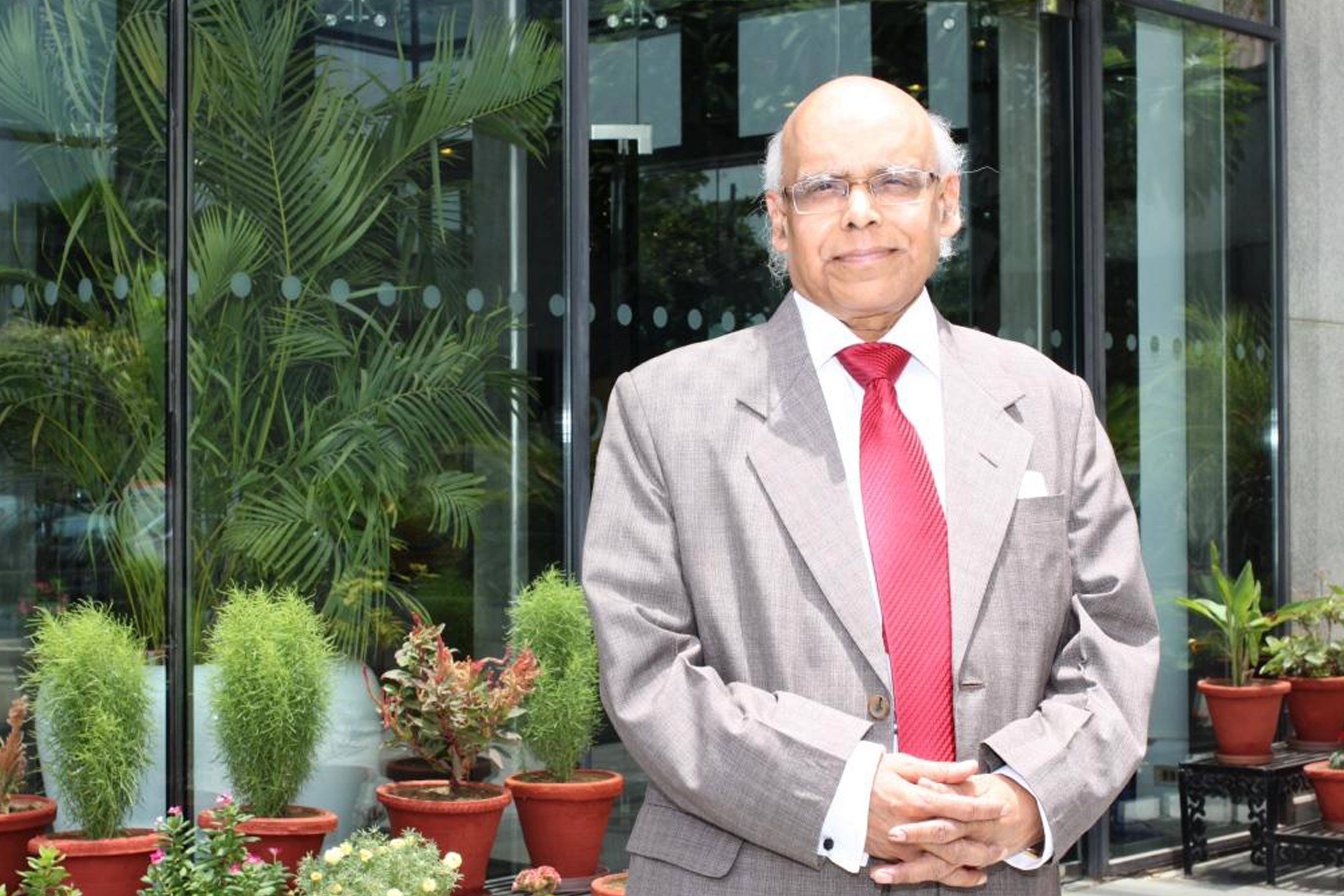
In the latest episode of the EY India Insights Podcast, we examine ways in which India’s defence expenditure can be increased in the context of the country’s ambitions of becoming Viksit Bharat as well as the geopolitical conditions. Dr. D.K. Srivastava, a distinguished economist and Chief Policy Advisor at EY India, shares insights on the strategic imperatives surrounding India’s defense budget.
Dr. Srivastava outlines how India’s defense spending has declined as a percentage of GDP over the years—dropping from nearly 3% in the early 2000s to 1.9% in FY26 (BE). He also highlights the impact of rising fiscal demands such as interest payments and state transfers on the overall fiscal space, which can be factor in lower defence expenditure.
The conversation dives deep into the structure of defence spending, international benchmarks, and the case for establishing a non-lapsable earmarked defense fund. Drawing from historical trends and Finance Commission recommendations, Dr. Srivastava provides a comprehensive policy perspective on how India can better align its defence priorities with its national goals.
Key takeaways
- India's defence spending has dropped from 2.9% of GDP in 2002–03 to 1.87% in FY26 (BE).
- The capital expenditure component of defence spending has been consistently declining.
- Russia and the US spend over 3% of GDP on defence—India falls below this global benchmark.
- Parliamentary Standing Committee (2022–23) recommended a benchmark of 3% of GDP for India’s defence allocation.
- Transfers to states have steadily increased, reducing the fiscal space available for expenditures such as defense.
- Multiplier effects of defense spending in India are lower due to import dependency but could improve through domestic manufacturing and private sector involvement.
- To address volatility and underutilization, FC15 recommended setting up a non-lapsable defense fund.
- The Government of India accepted this recommendation in principle, but the fund is yet to be operationalized.
- The model for this fund is based on the National Calamity Contingency Fund (NCCF), justified by similar needs: unpredictability, shared responsibility, and sustained replenishment.
For India to realize its ambitions as a secure and developed nation, prioritizing and modernizing defence expenditure will be essential. A long-term, stable financial framework can help achieve this goal while strengthening national preparedness and resilience.
For your convenience, full text transcript of this podcast is available below.
Explore the detailed analysis in our article, 'Aligning India’s defense spending to the Viksit Bharat vision.' It offers deeper insights into budgetary trends, international comparisons, and strategic recommendations including creating a non-lapsable defence fund and boosting domestic production to strengthen India’s defence preparedness.
If you would like to listen to our podcasts on the go:
Podcast
Duration
16m 20s
Budgeting for defence expenditure
Contemporary global challenges call for substantially increasing defence funding in India.
How EY can help
-
Read more
-
Watch provides an in-depth review of salient developments in India’s macro economy and economic policy in a global context.
Read more -
Tax policy advisory services by EY India offers insights & strategies to navigate complex tax regulations, driving business growth and compliance.
Read more