



EY refers to the global organization, and may refer to one or more, of the member firms of Ernst & Young Global Limited, each of which is a separate legal entity. Ernst & Young Global Limited, a UK company limited by guarantee, does not provide services to clients.
Recent Searches
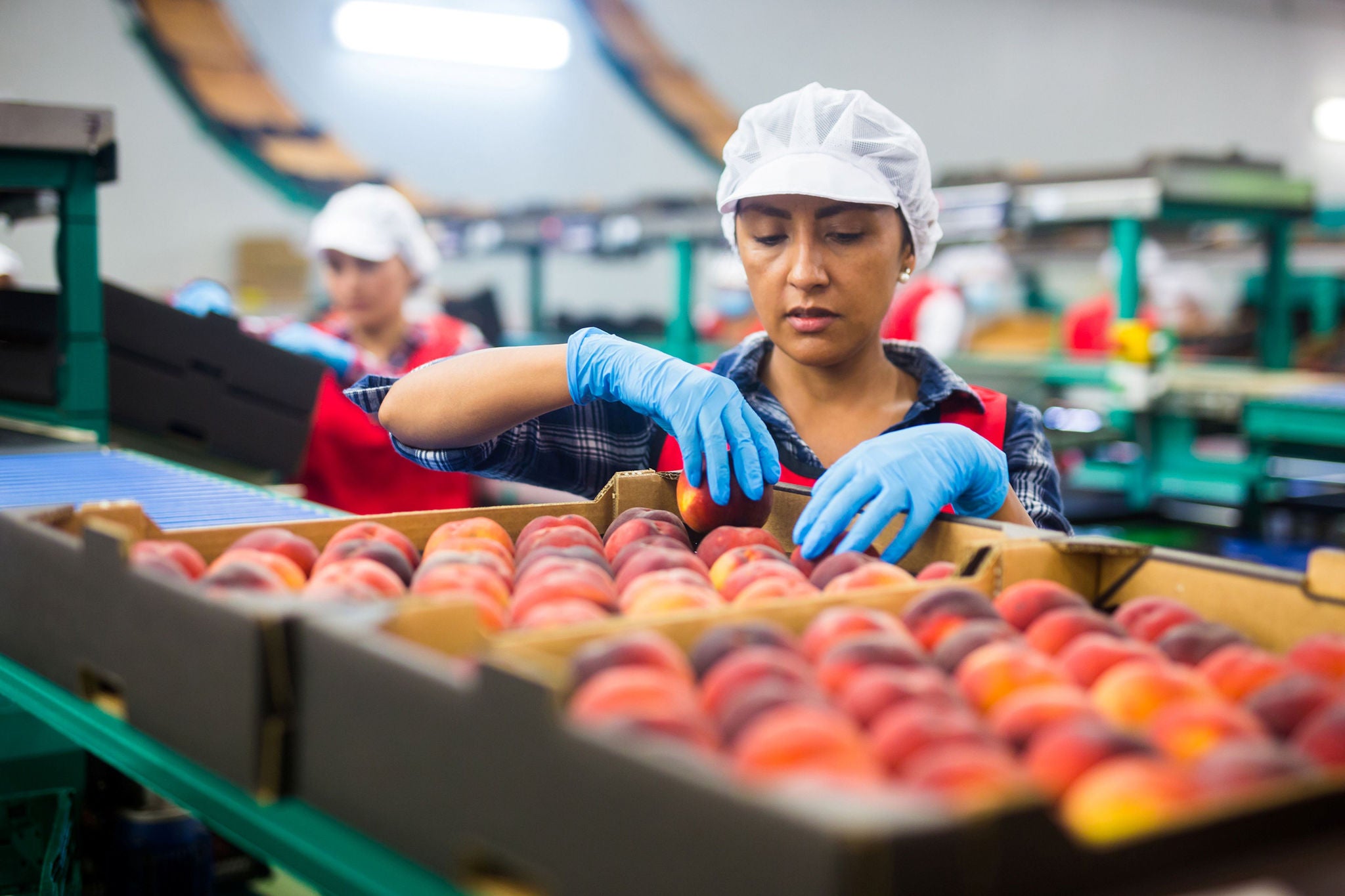
As regulatory scrutiny intensifies, food safety is becoming a boardroom priority, driving investment in digital monitoring and risk management.
In brief
- As India’s food and beverage sector grows, regulators are increasing oversight across the entire value chain from ingredients to storage and labeling.
- Traceability and hygiene lapses may lead to recalls and reputational damage, while periodic audits often detect issues too late.
- Digital food safety systems enable early risk detection via real-time monitoring, traceability and automated alerts, helping prevent issues before they occur.
Authored by:
India’s food and beverage industry, spanning organized packaged goods, restaurants, cloud kitchens and quick commerce, continues to grow as more consumers dine out and food consumption patterns evolve. This growth is also bringing increased regulatory scrutiny.
The food and beverage industry in India is facing stricter enforcement, with oversight extending beyond labels to every link in the value chain, from ingredients and packaging to storage, shelf handling, and ultimately, the consumer’s plate.
In this environment, food safety is no longer just an operational or compliance concern. Food safety and quality, regulatory compliance and labeling have moved firmly onto the CEO and board agenda for packaged food and beverage companies, as well as food service operators.
What a single lapse can cost
Food and beverage businesses invest heavily in brand equity, distribution reach and supply chain depth. That investment, however, is often vulnerable to a single failure. An allergen declaration missed at the approval stage, a traceability gap that surfaces during a recall or a repeat audit observation left unresolved, any of these can escalate quickly, triggering regulatory action, halting facility operations, eroding consumer trust and causing significant business losses.
The challenge is that many organizations still manage food safety through periodic audits, spreadsheets and manual reviews. While important, these mechanisms often identify issues only after they have already occurred.
From compliance to continuous oversight
As manufacturing and retail networks become more complex and regulatory expectations continue to rise, leading food companies and quick-service restaurant (QSR) operators are rethinking their approach to quality and safety.
Companies are moving beyond compliance-focused programs toward integrated digital risk and quality ecosystems that combine Food Safety Management Systems (FSMS), quality management, digital assurance, document control, laboratory quality and compliance monitoring into a single governance framework.
This aligns with an approach focused on digital monitoring, traceability, audit readiness, Corrective and Preventive Action (CAPA) governance and stronger risk visibility across sites and operations.
The shift moves organizations away from compliance-focused programs designed to pass audits and toward integrated digital risk and quality ecosystems that help prevent failures before they occur.
The future of food safety is not simply more inspections. It is continuous digital oversight.
Why food companies need to prioritize continuous digital oversight
- Real-time monitoring of critical controls: Visibility into emerging control failures today, rather than weeks after the fact.
- Automated alerts: Enabling organizations to anticipate risks rather than merely respond to incidents.
- Traceability: The ability to isolate an affected batch quickly before a contained issue becomes a full recall.
- Workflow governance: Turning policy documents into workflows that are measurable, traceable and auditable.
- Executive dashboards: Providing leadership with visibility into risks before they disrupt the business plan.
The bottom line
India’s food regulators are no longer viewing labeling, ingredients, storage and retail handling as separate compliance areas. Instead, they are treating them as parts of a single chain of accountability across both packaged food and food service sectors.
For companies that still rely on periodic audits and manual reviews, the biggest risk lies in the gap between identifying issues and preventing them. Building continuous digital oversight is therefore becoming essential for operating in India’s food industry.
Learn more about food safety in India
Summary
India’s food and beverage sector is entering a period of heightened regulatory scrutiny, with authorities increasingly monitoring the entire food value chain, from ingredients and packaging to storage. As food safety incidents can quickly lead to recalls, regulatory action, operational disruptions and reputational damage, companies need to move beyond periodic audits and manual reviews toward integrated digital food safety systems. Continuous digital oversight, enabled by real-time monitoring, traceability, automated alerts and governance workflows, allows businesses to identify risks earlier, strengthen compliance and improve recall readiness.
How EY can help
-
EY Commercial Transformation offerings help businesses reignite growth by optimizing sales, marketing ROI, & deploying strategy, analytics, & capabilities.
Read more -
EY-Parthenon teams can help your business identify and implement consumer strategies relevant now as well as in the future. Find out more.
Read more -
EY’s Direct to Consumer for Consumer Products, can help your business meet the changing needs of consumers. Find out how.
Read more
Related content
Why CPG companies can no longer delay adopting agentic commerce
Explore how agentic commerce is reshaping the retail market and consumer packaged goods with AI-driven growth, higher margins, faster decisions and scale.
Why brands in India are turning to experiential marketing
Experiential marketing is becoming a core growth strategy in India as brands respond to changing consumer preferences through live and immersive experiences.
Accelerating India’s transition from food security to nutrition security
India’s shift from food to nutrition security highlights the role of functional foods, nutraceuticals, agriculture, science and regulation in preventive health.