



EY refers to the global organization, and may refer to one or more, of the member firms of Ernst & Young Global Limited, each of which is a separate legal entity. Ernst & Young Global Limited, a UK company limited by guarantee, does not provide services to clients.
Recent Searches
ENGAGE
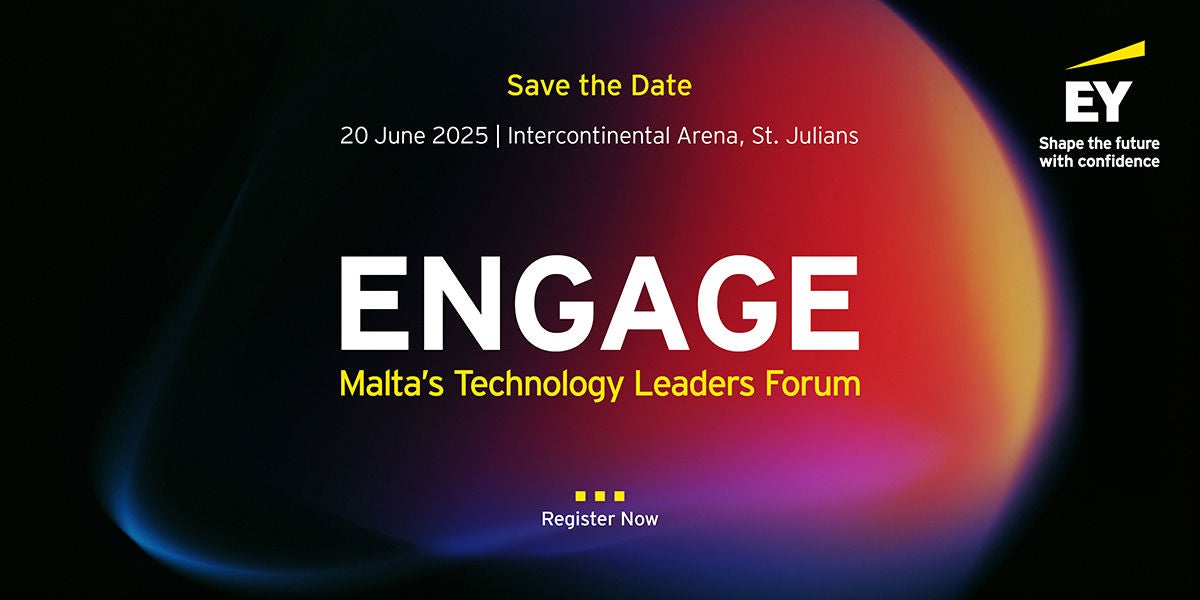
Get ready for the next phase of your digital evolution with EY Engage 2025 - an event crafted for executives, tech leaders, and innovators. This year, we are at an inflection point where AI adoption is not just about injecting technology into existing systems and processes. To lead in the age of AI, organisations must rethink their business models, operations, and the role of their workforce.
Contact eyevents@mt.ey.com for more information on group booking
What to expect
Registration will start at 8:00am.
Key Trends: Join expert-led sessions covering AI, data, cybersecurity and digital transformation. Gain actionable knowledge from EY and discover how to incorporate leading technology solutions into your business operating model.
Networking: EY Engage 2025 offers a unique networking context for business leaders and technology professionals. As the audience at EY Engage continues to grow, the event provides unparalleled opportunities to connect with peers across industry sectors. Engage with executives, tech leaders, and innovators who are at the forefront of digital transformation. Exchange experiences, discuss opportunities, and forge meaningful relationships that extend beyond this event.
Whether you are looking to collaborate on new projects, explore potential partnerships, or simply expand your professional network, EY Engage 2025 is the perfect platform to do so. Join us and be part of a community that is shaping the future of technology and business.
Vendor Insights: Gain insights on trends and solutions from our alliances and global technology organisations.
Gain insights on trends and solutions from our alliances and global technology organisations. Together, let's redefine Malta’s digital future and explore what’s shaping the tech landscape at its inflection point.
Agenda Themes
- AI & Data Transformation
- Enterprise IT Transformation
- Business Transformation through Cloud
- Cybersecurity Transformation
- Digital & Technology Risk Management
EY's offering in AI and Data Transformation is encapsulated in the EY.ai platform, which connects extensive business expertise with advanced AI capabilities. This platform supports clients in transforming their businesses through the confident and responsible adoption of AI technologies.
The importance of AI and Data Transformation for organisations today lies in its ability to enhance decision-making processes, streamline operations, and drive innovation. As businesses face increasing complexities and competition, leveraging AI can provide significant advantages, such as improved efficiency and the ability to harness large volumes of data for strategic insights.

Agenda
- 08:00 - 09:00 Registration
- 09:00 - 09:10 Welcome address by Kevin Mallia, Consulting Partner at EY Malta
- 09:10 - 09:40 The rise of the Augmented Workforce: Adoption, Agency, and Adaptation by Michael Azzopardi, Technology Consulting Partner at EY Malta
- 09:40 - 10:10 Keynote by Dr. Naveen Thomas, Partner, Head of AI Transformation for Government, EY UK
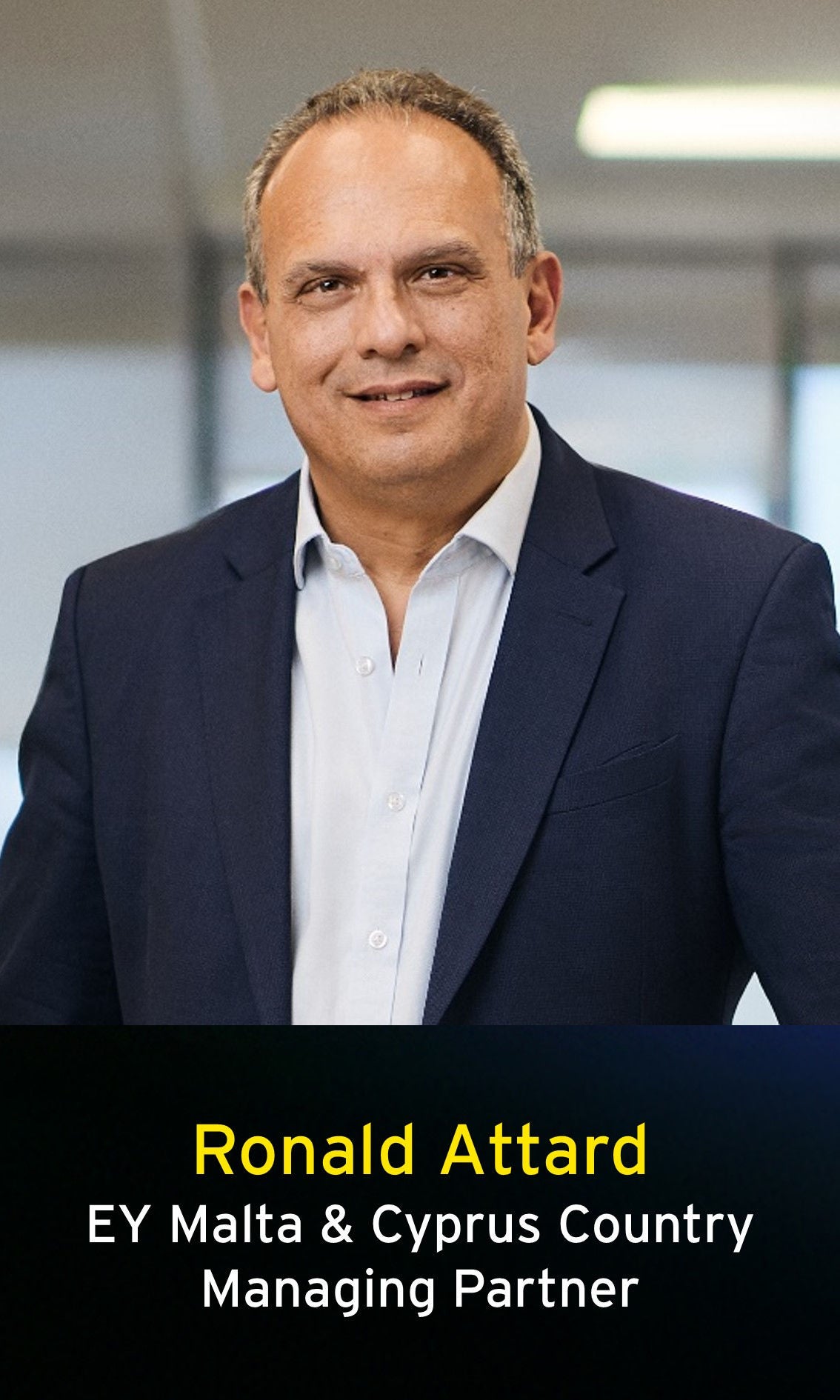
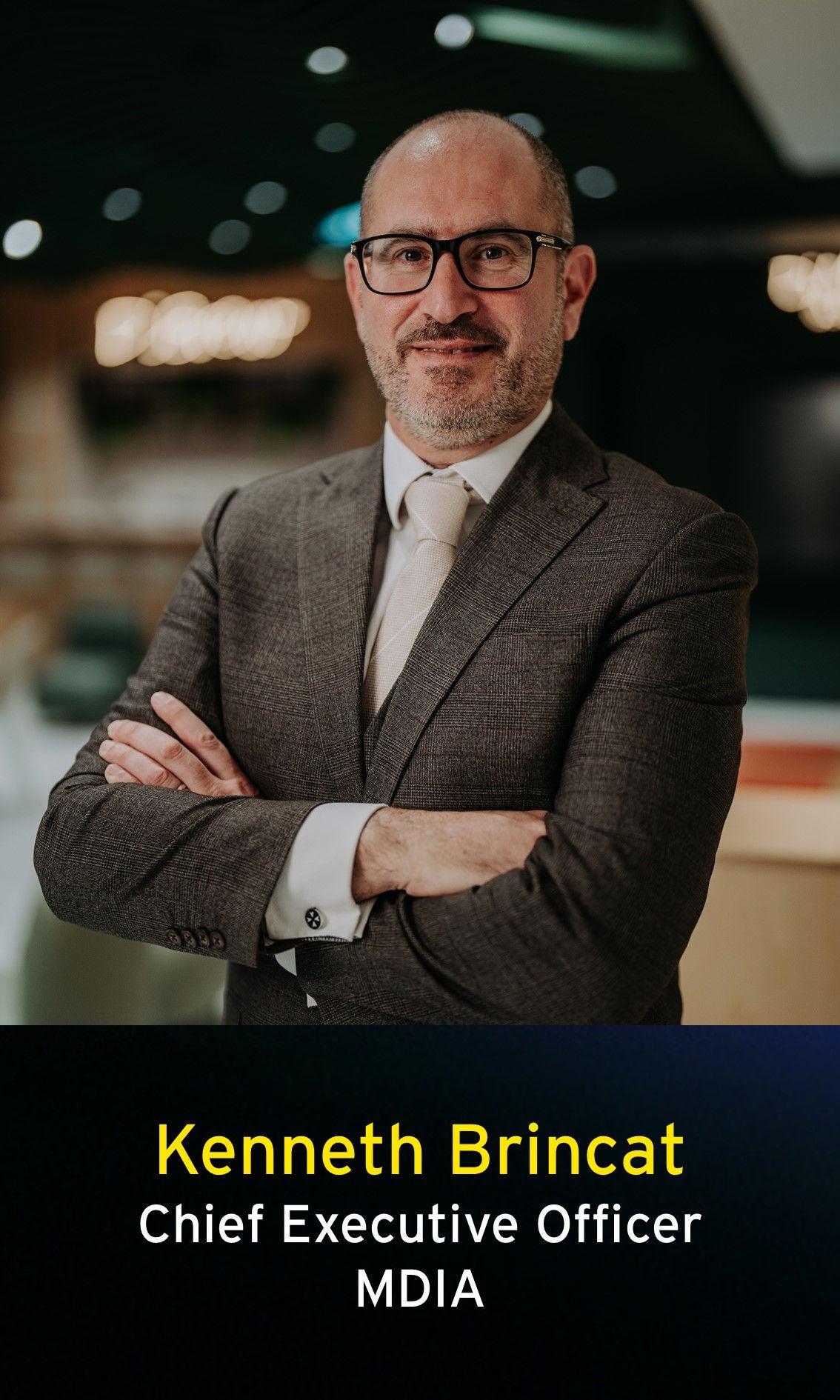
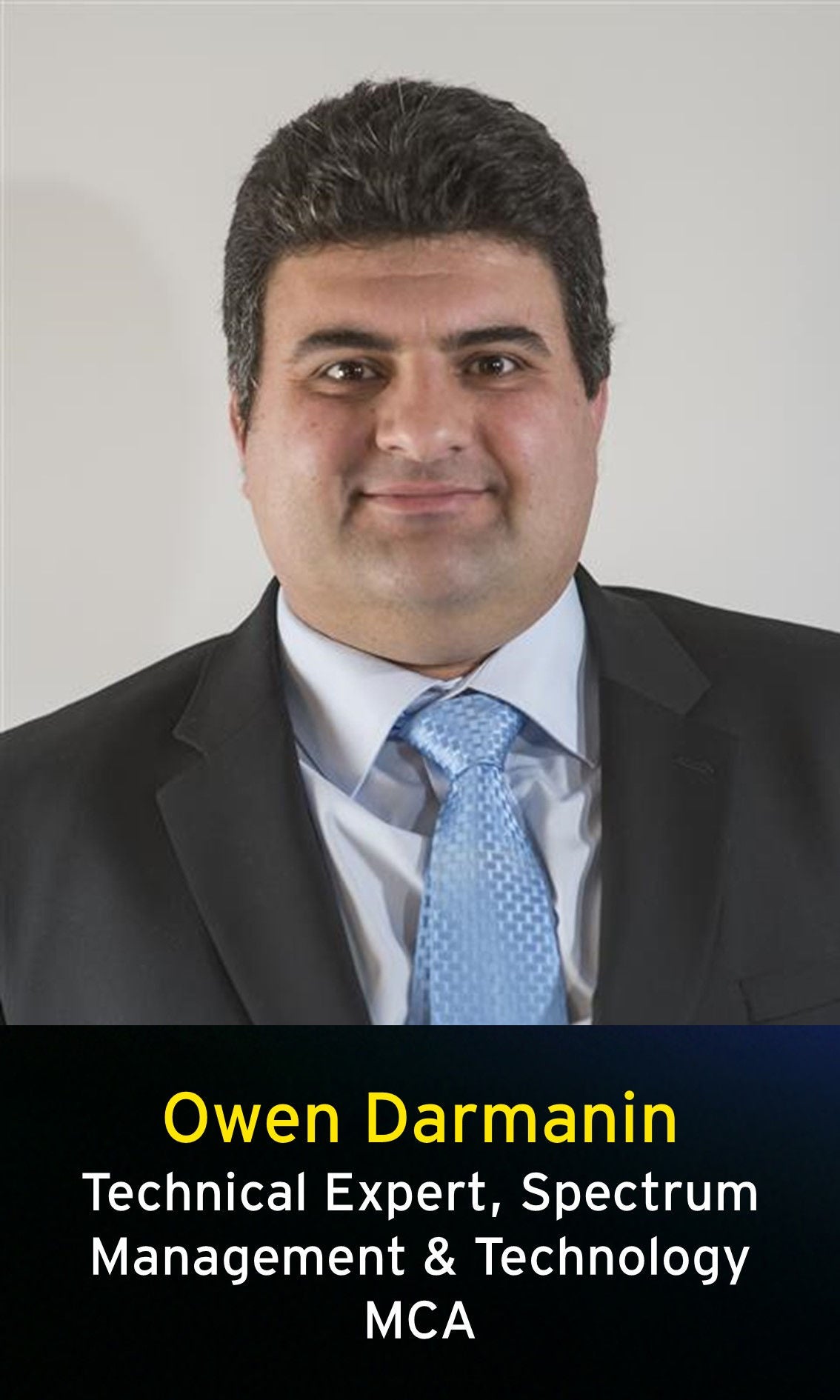
- 10:10 - 10:45 Empowering Tomorrow: Strategies for Technological Excellence in Malta - Panel featuring key speakers from BOV, MDIA, MITA and MCA
- 10:45 - 11:15 Coffee Break
- 11:15 - 11:55 Intelligent Orchestration: Building the Next-Gen Enterprise, Together - Panel featuring EY’s Alliances
- 12:00 - 13:20 Breakout Sessions
- 13:30 - 14:30 Lunch
- 14:45 - 16:30 Breakout Sessions
- 16:30 - 17:30 Networking Drinks
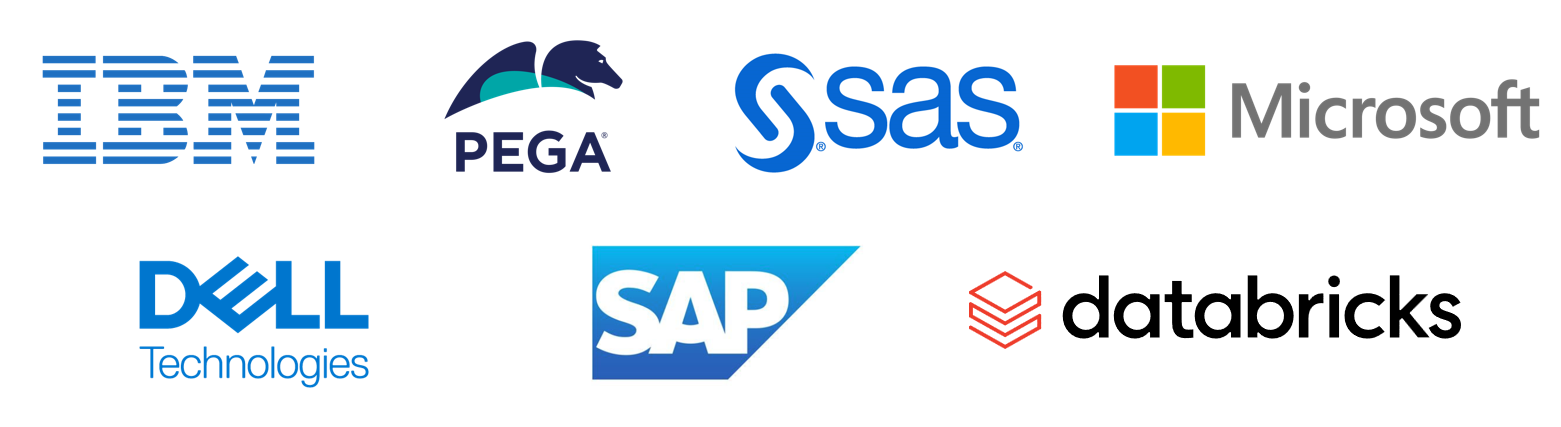
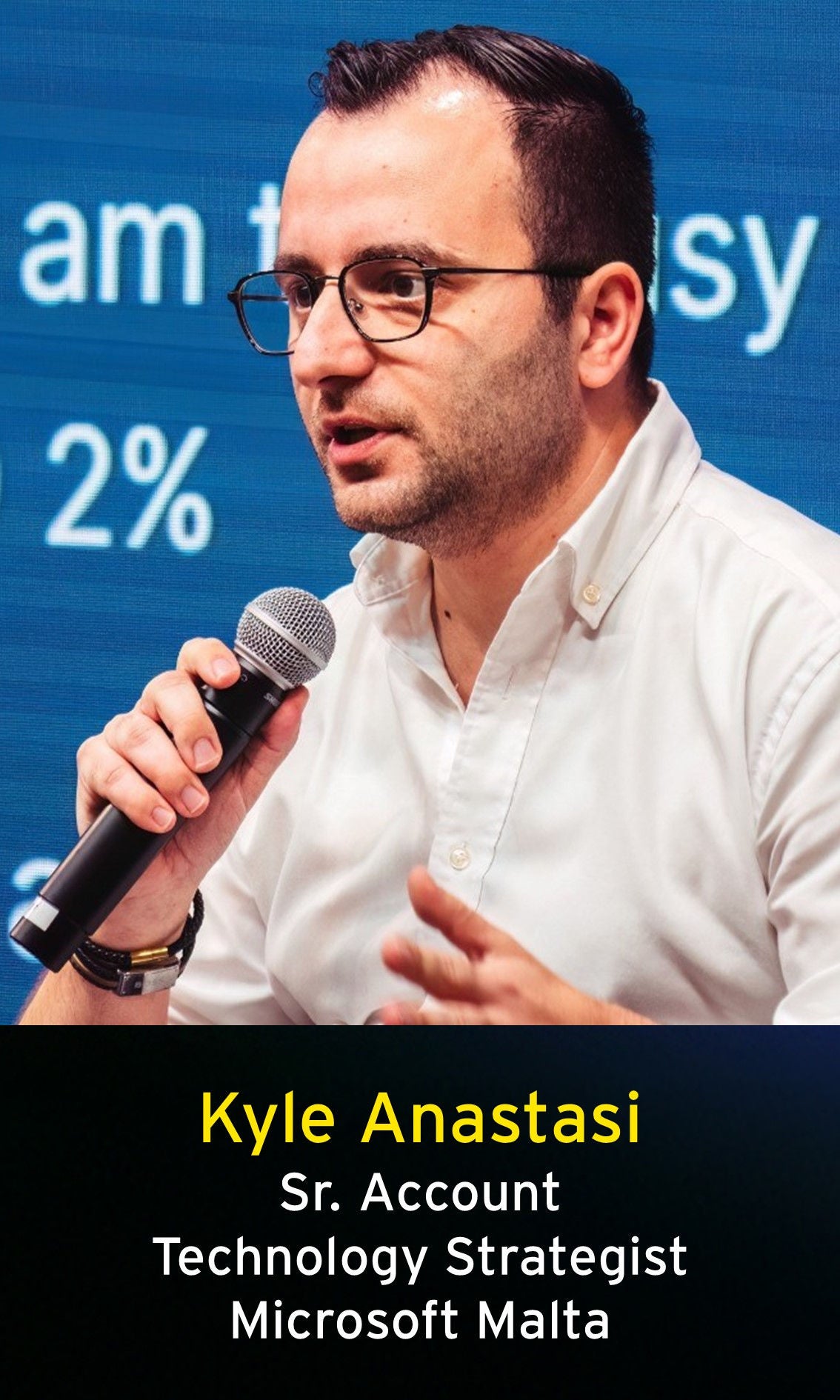
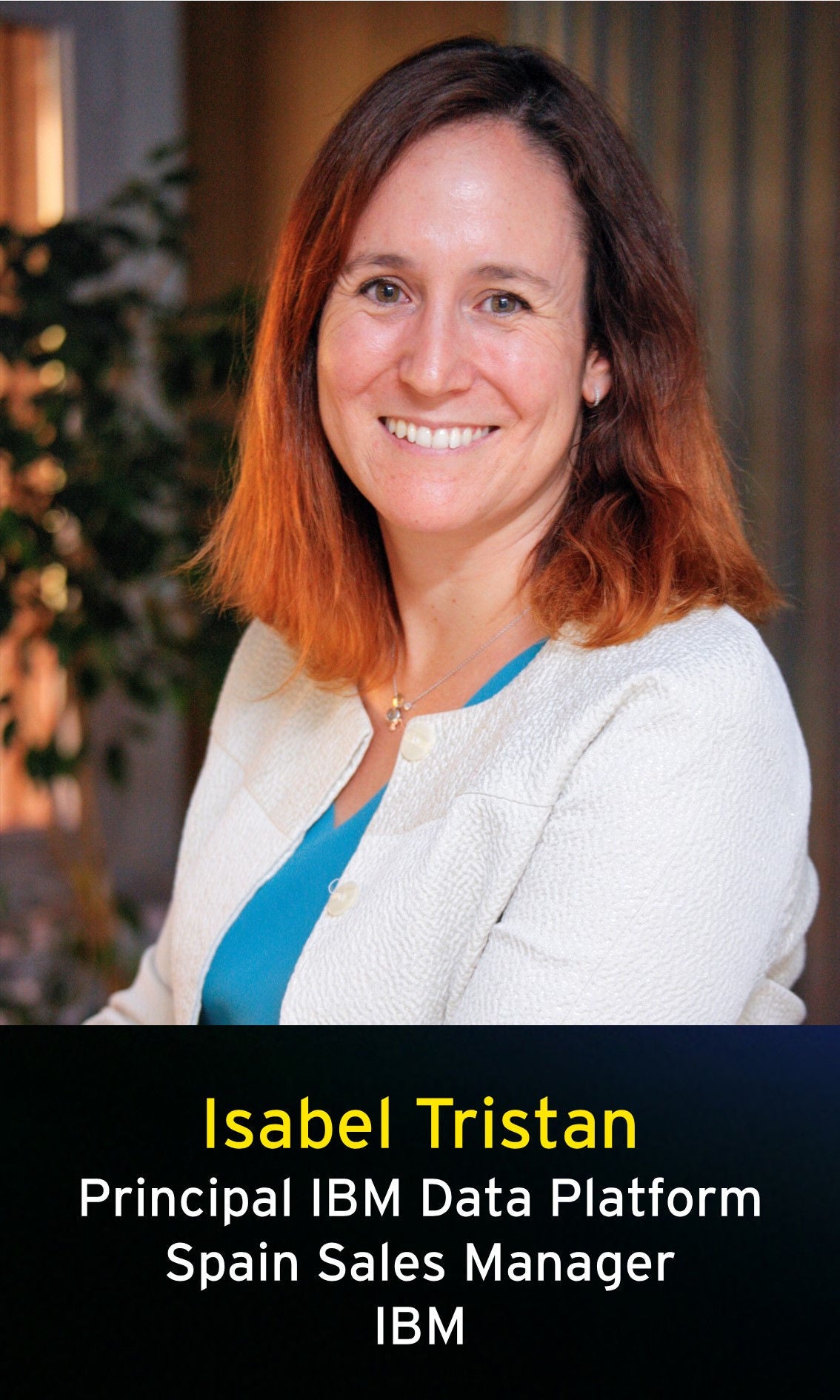
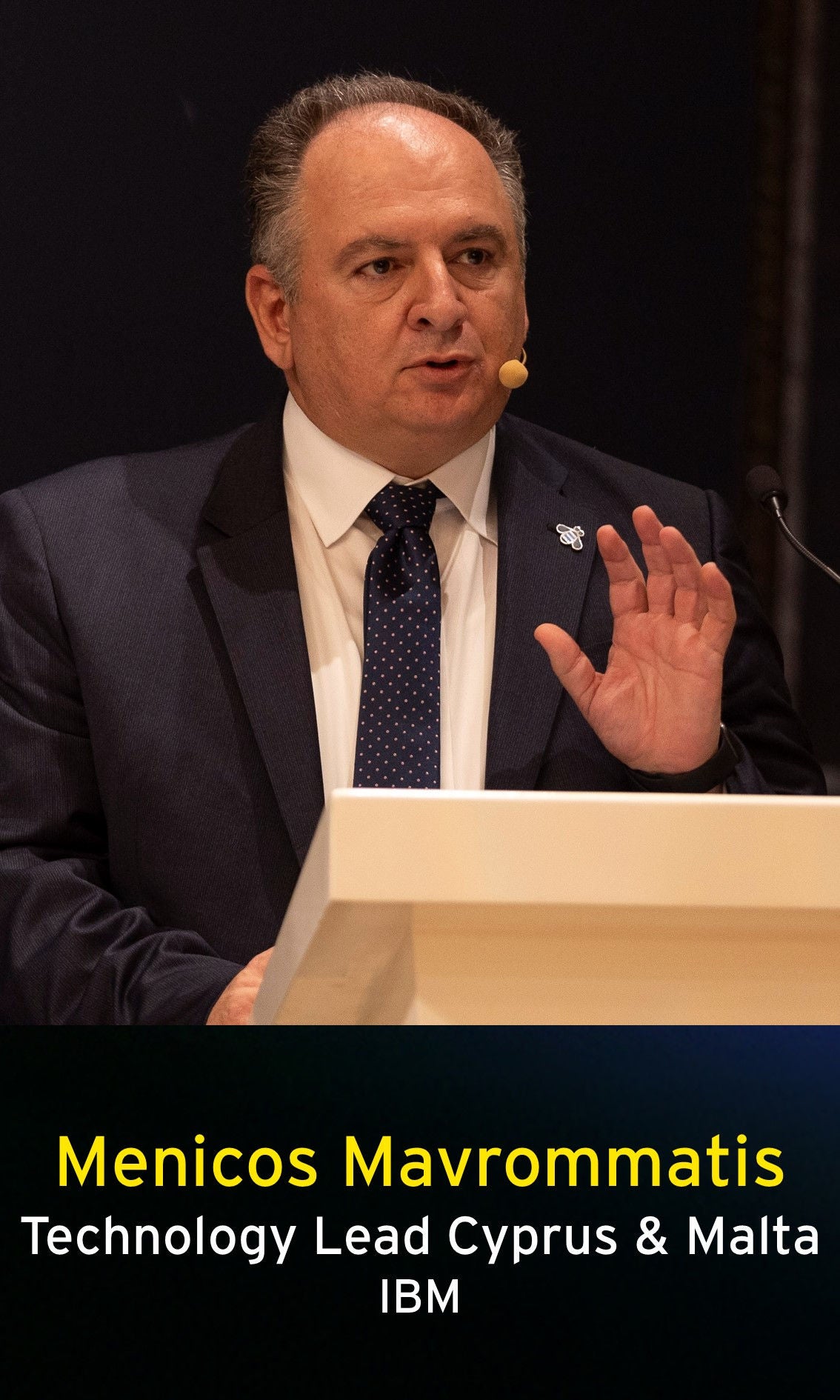
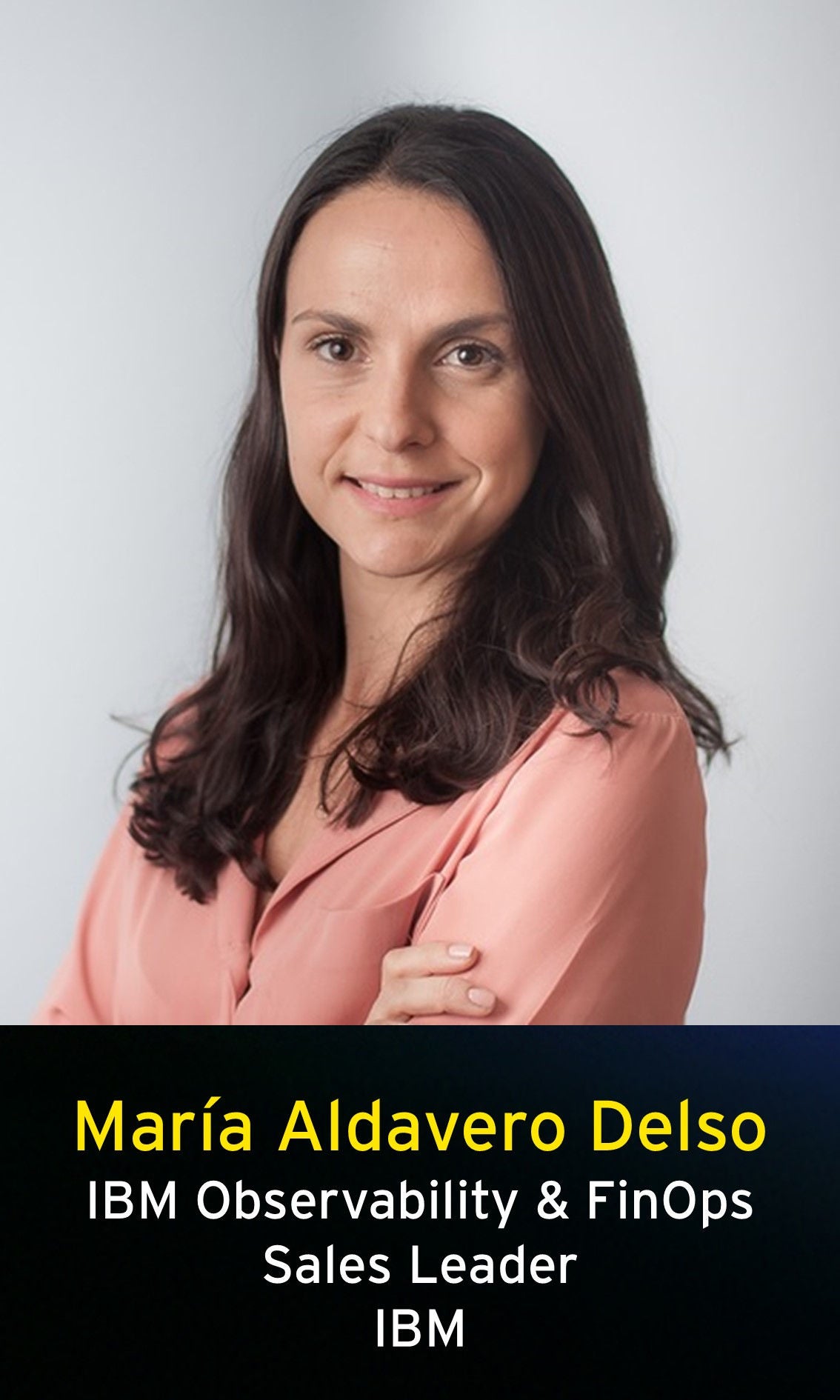
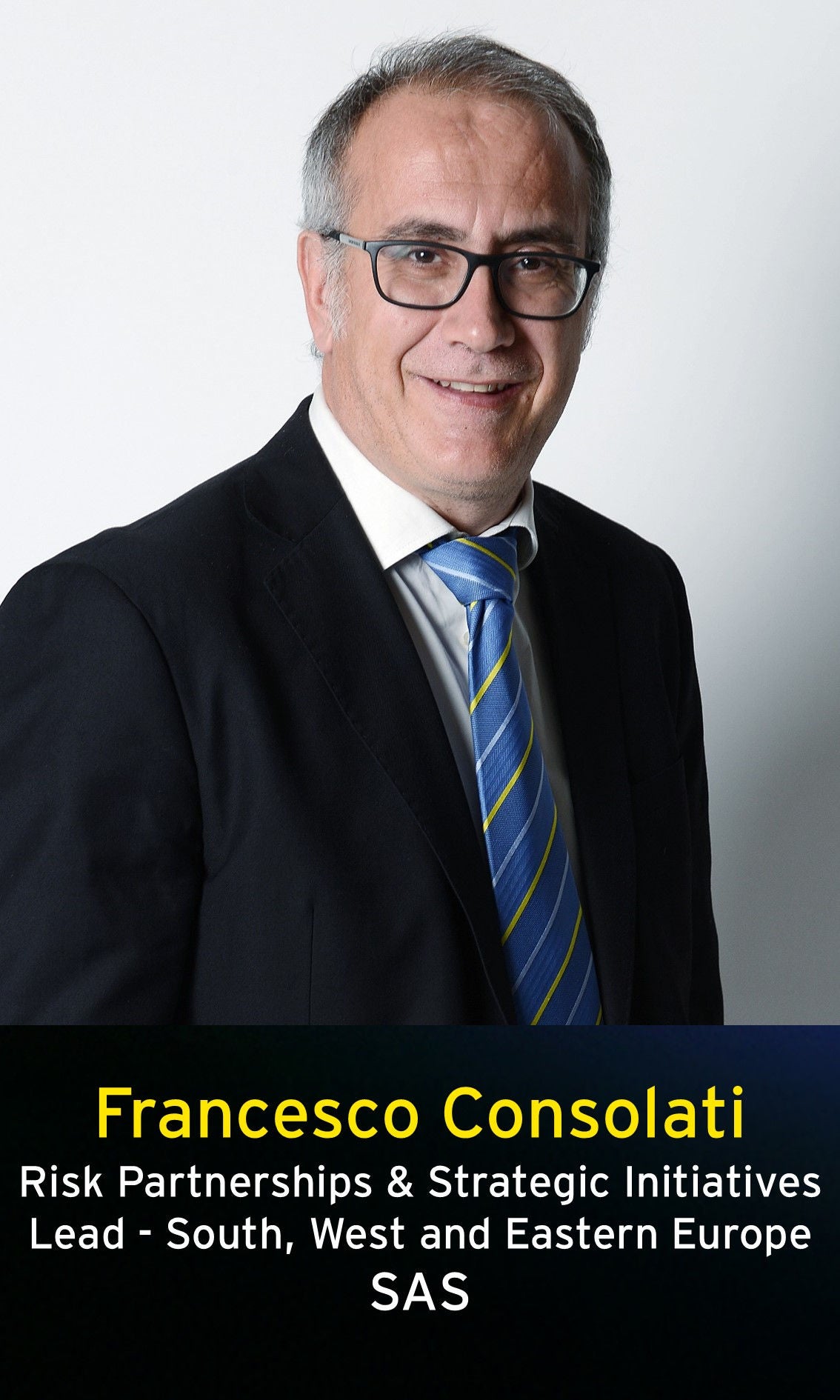
*Breakout sessions are scheduled for a duration of 35 minutes each. We are pleased to announce that we will have esteemed speakers from our alliances, including Microsoft, Dell, Pegasystems, SAS, IBM and SAP. Additionally, the agenda will feature thought-provoking sessions delivered by both local and international EY experts, alongside contributions from leading organisations across Malta’s technology and business ecosystem.
Alliances
Sponsors





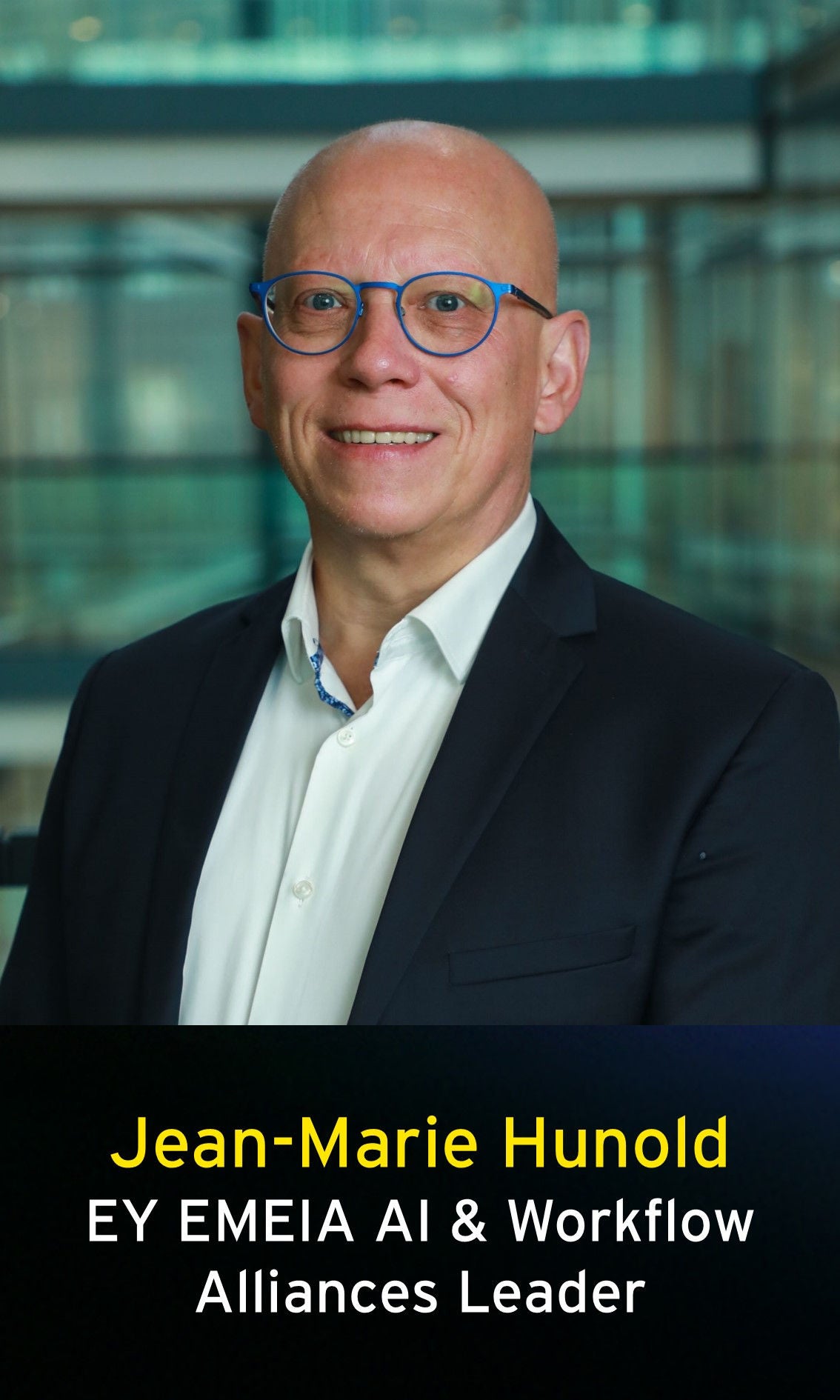
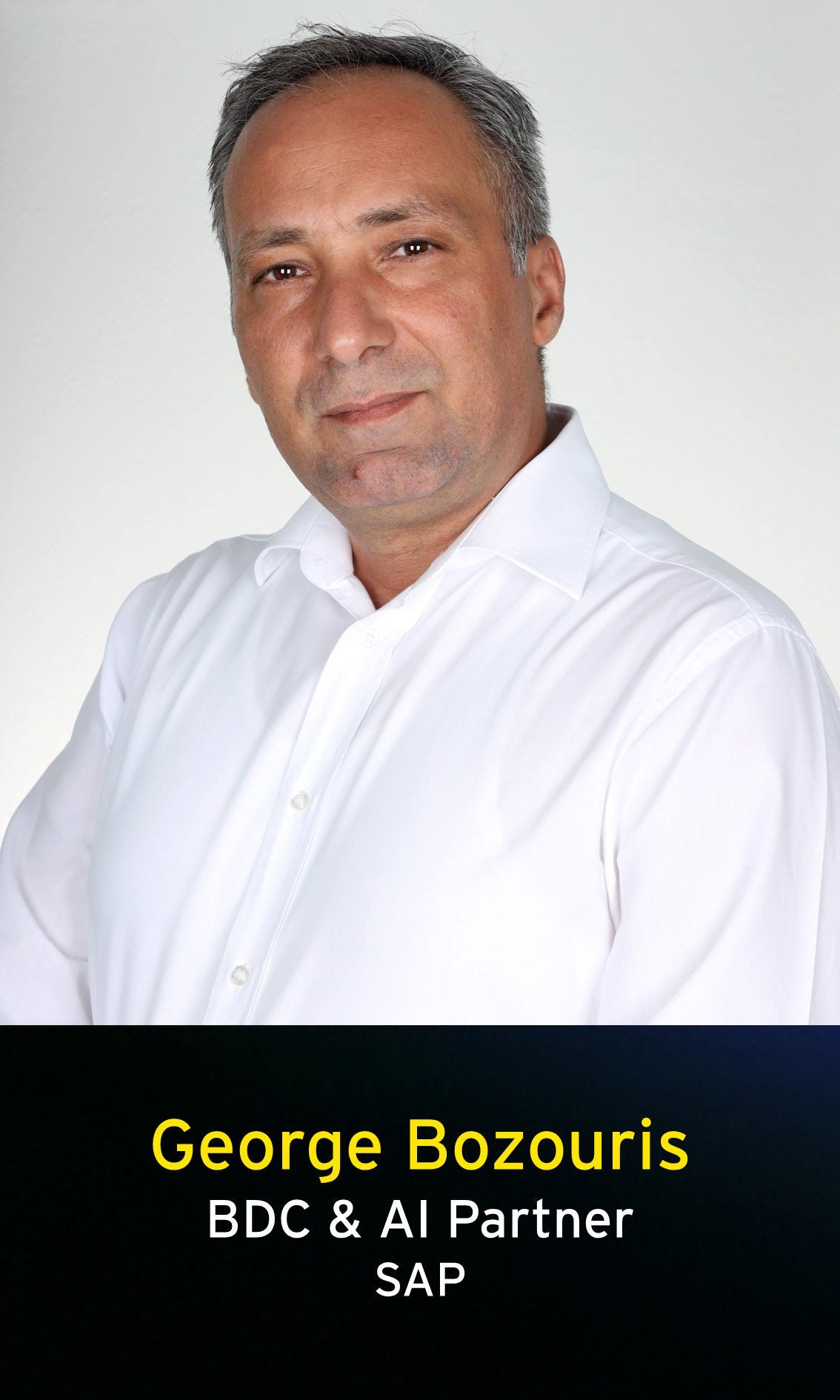
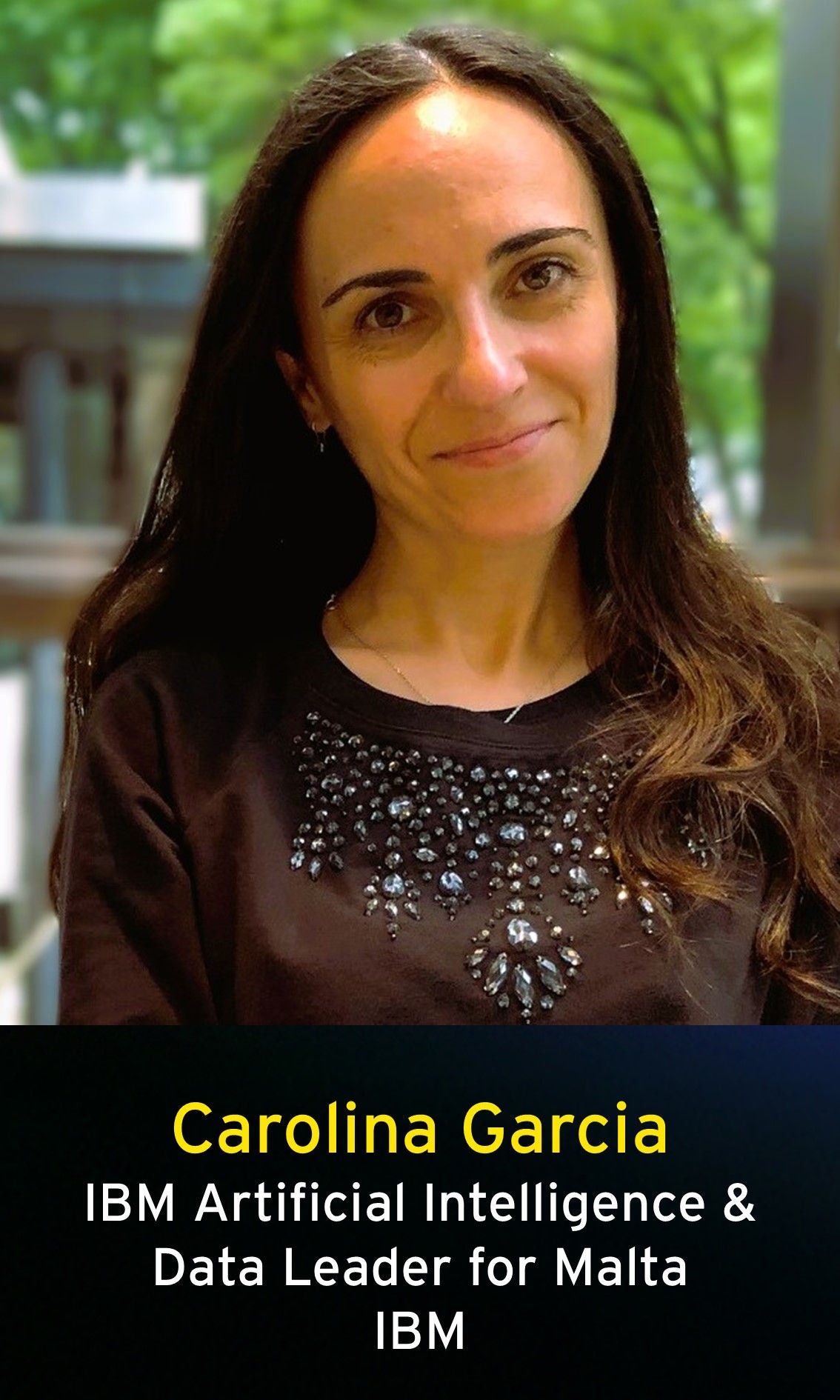
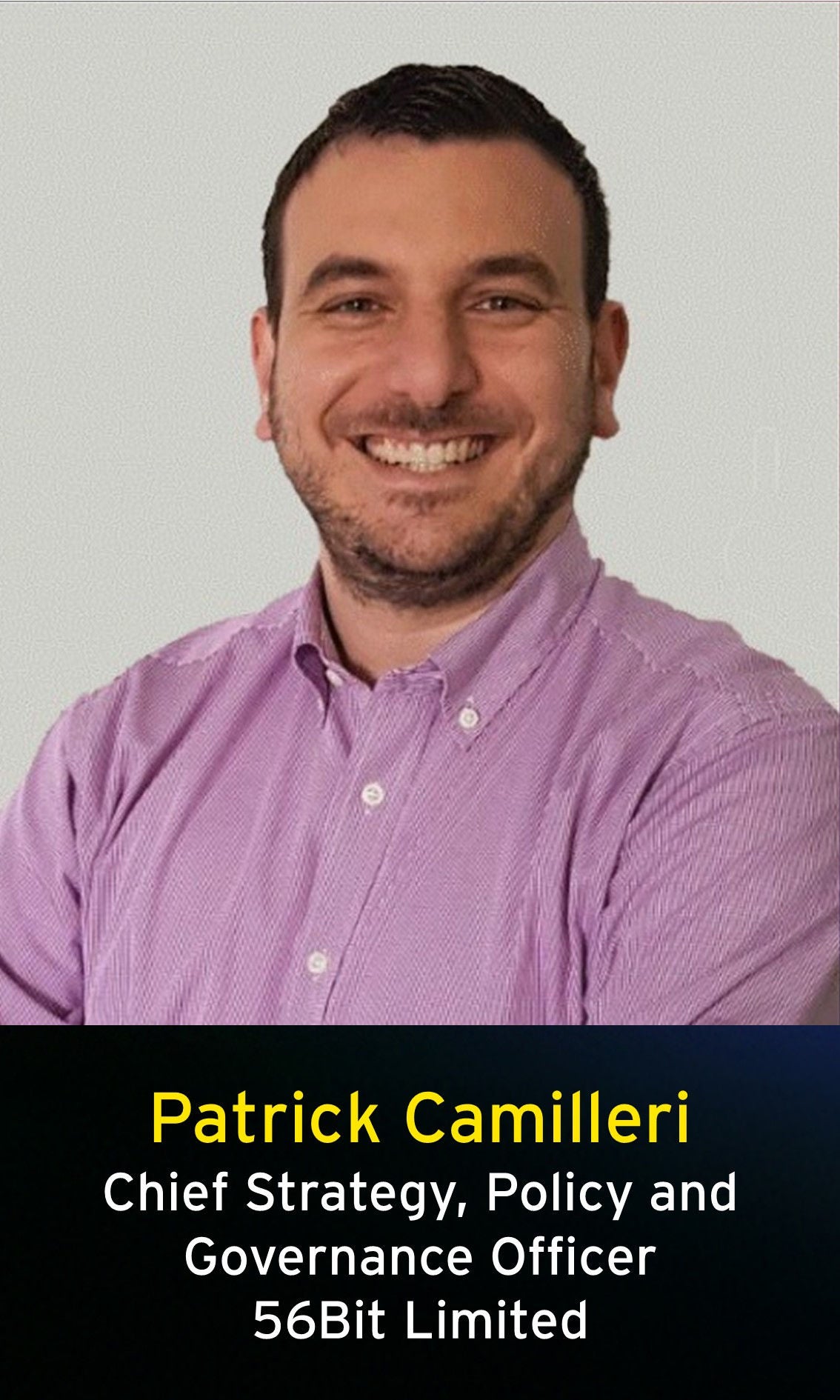
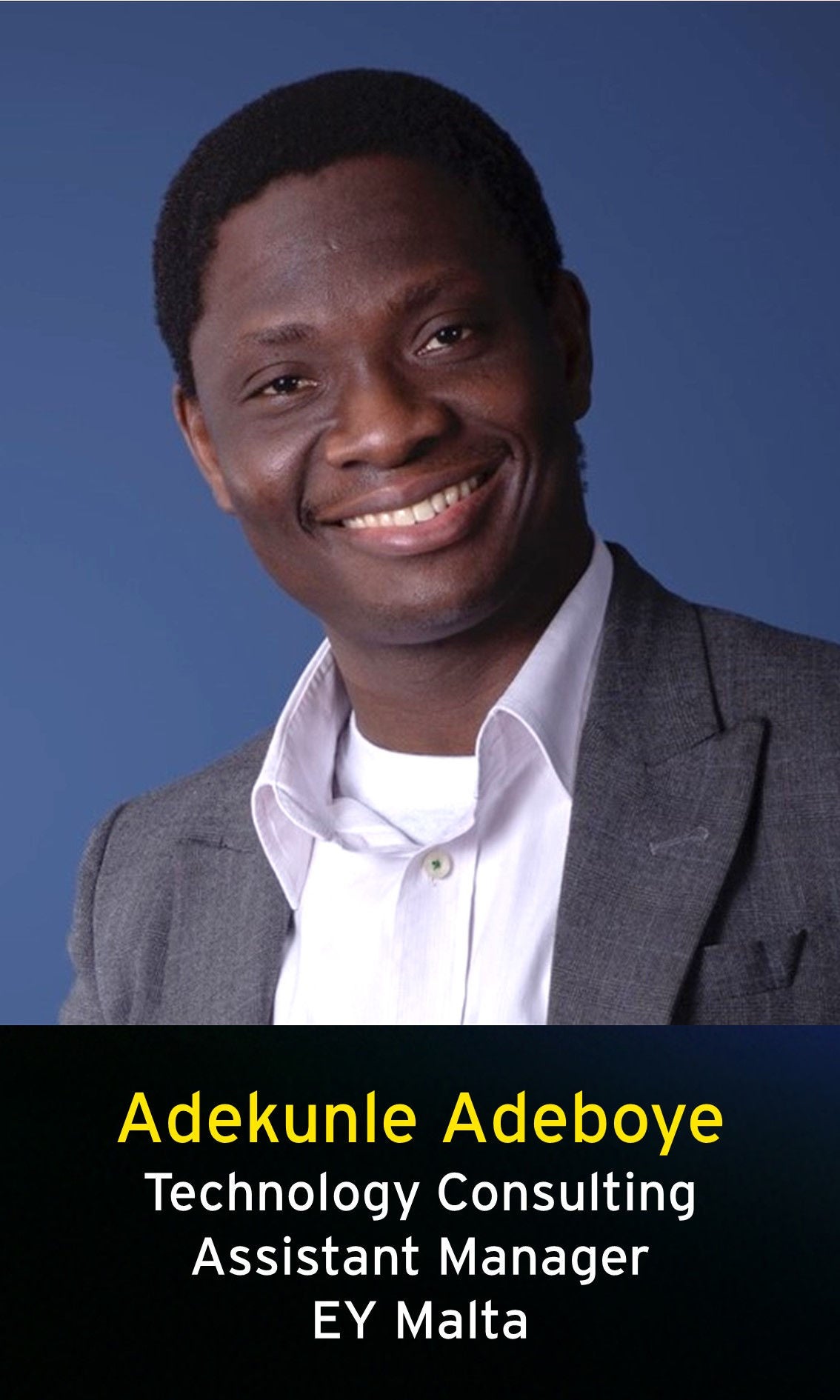
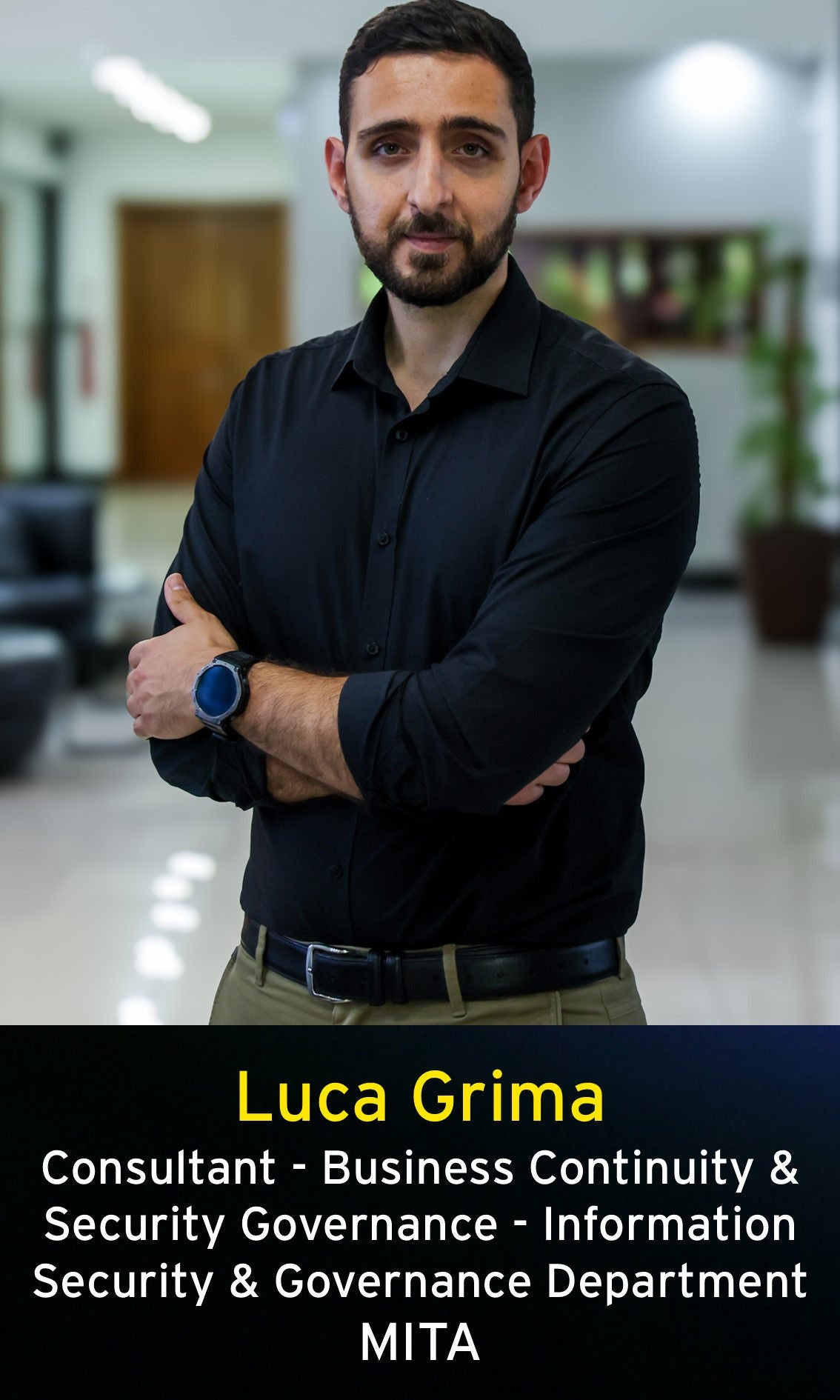
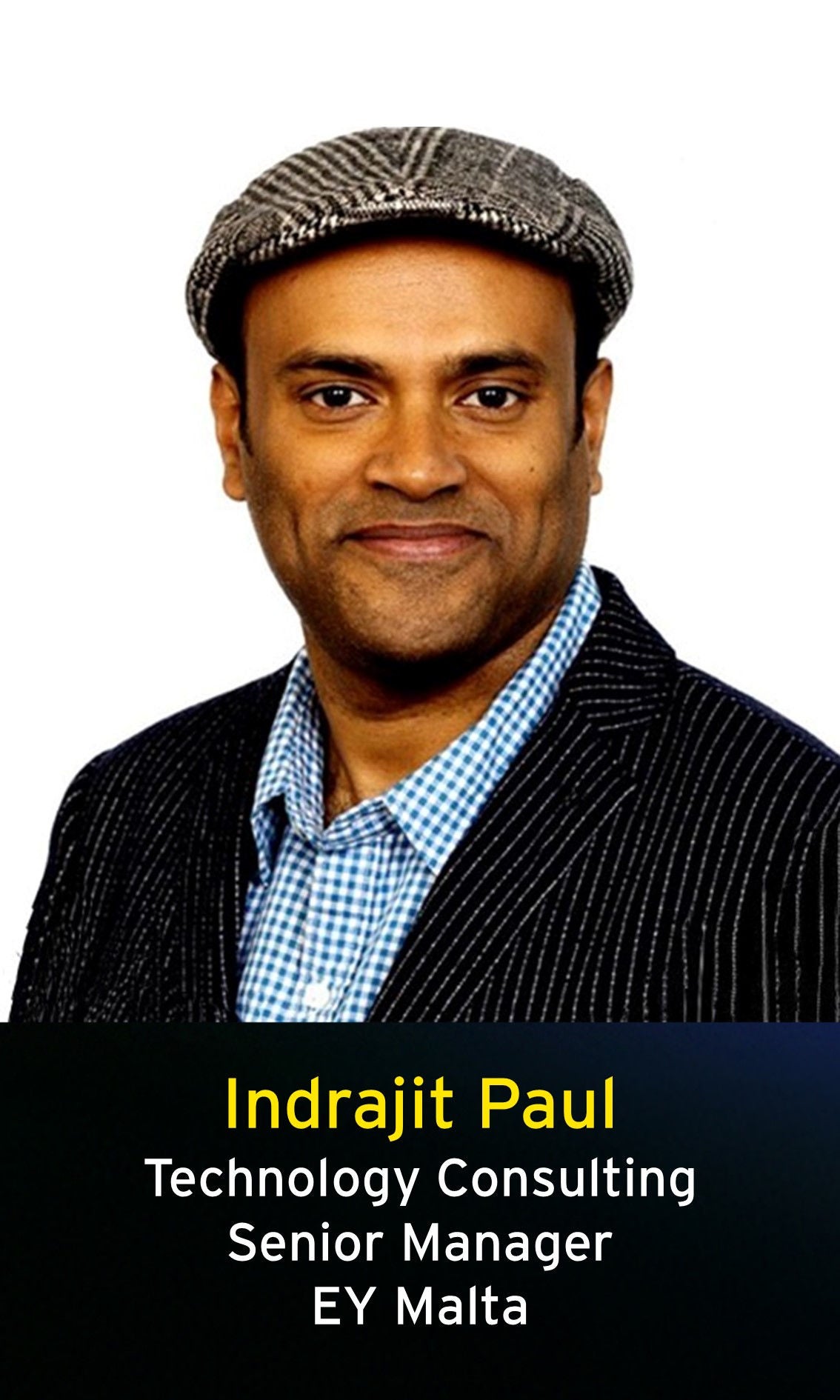
Speakers
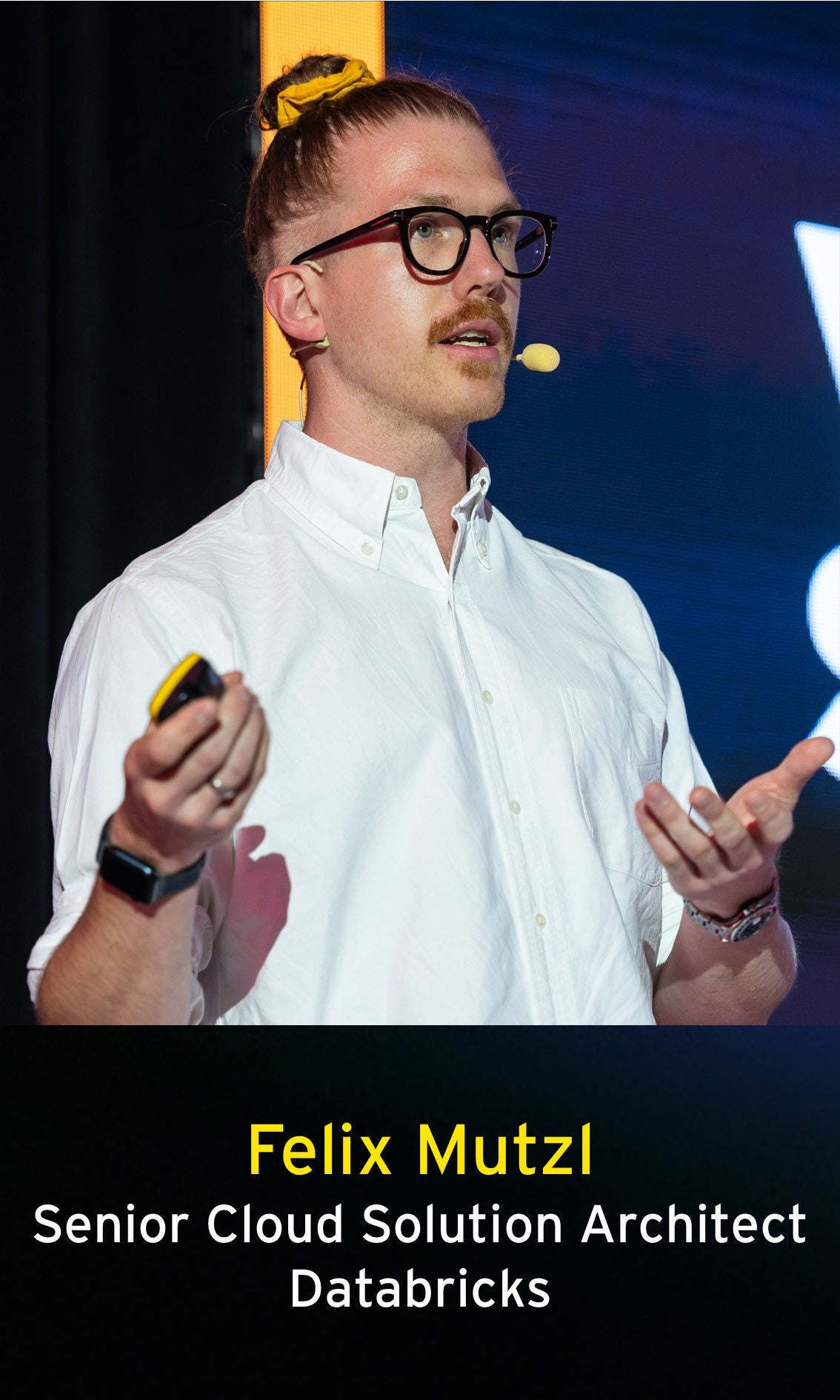

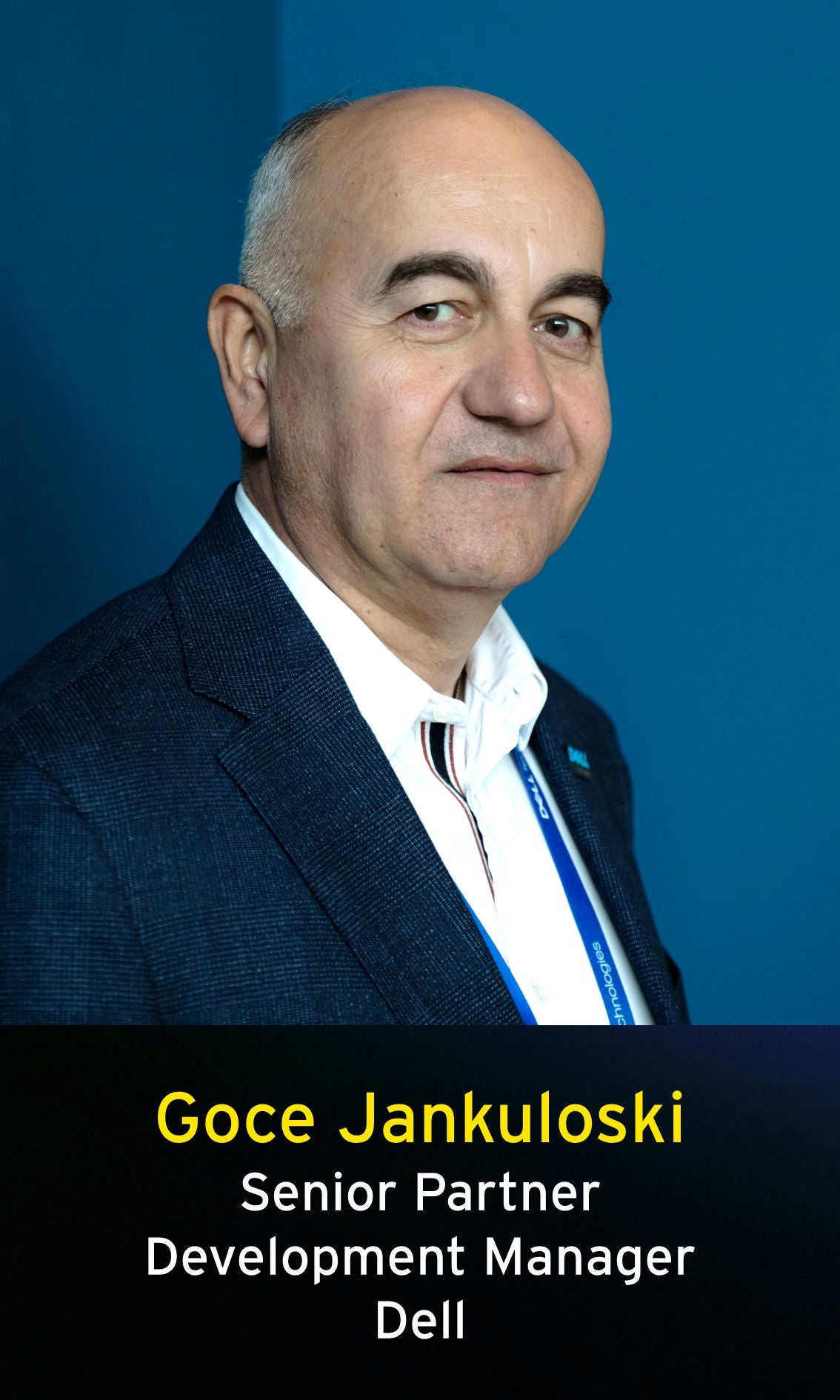

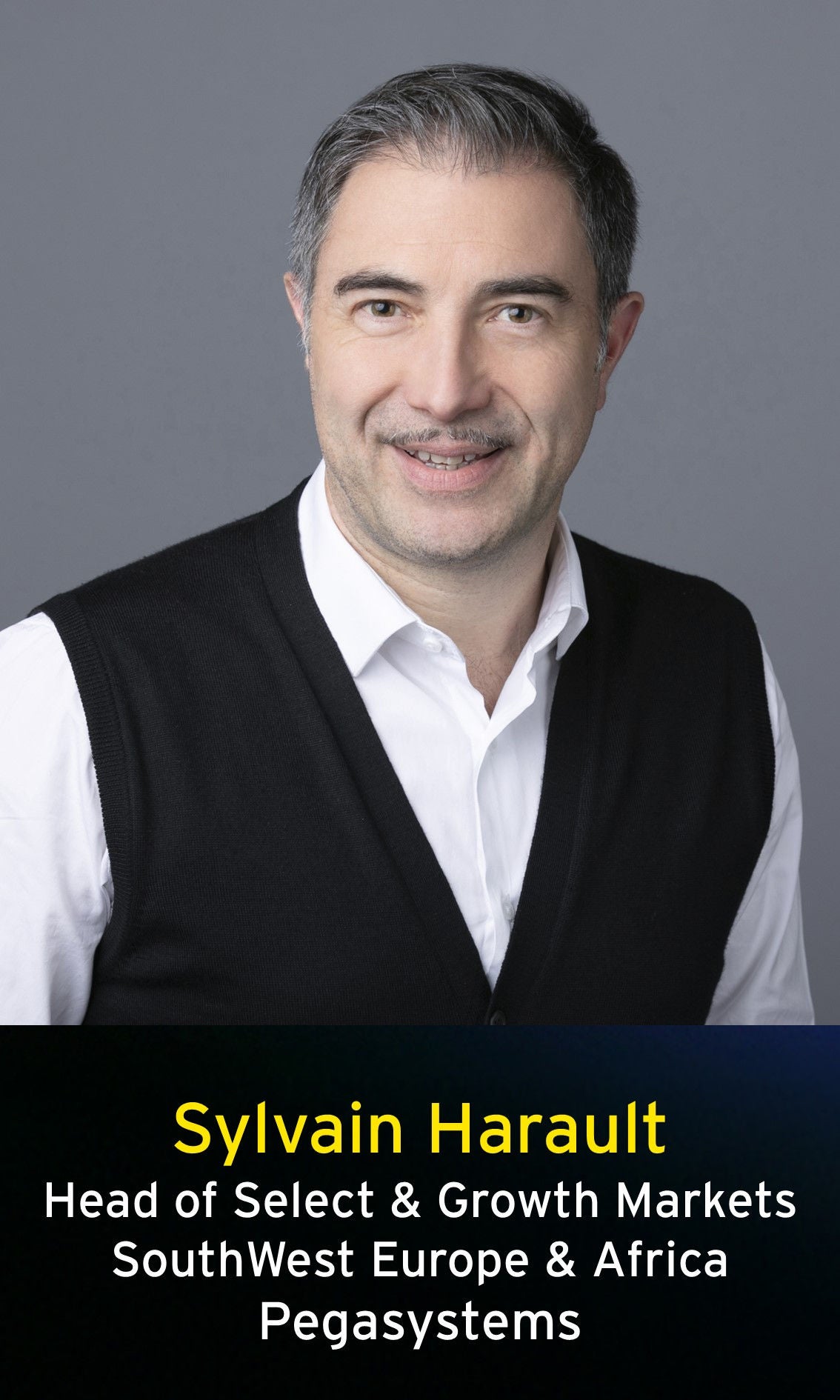
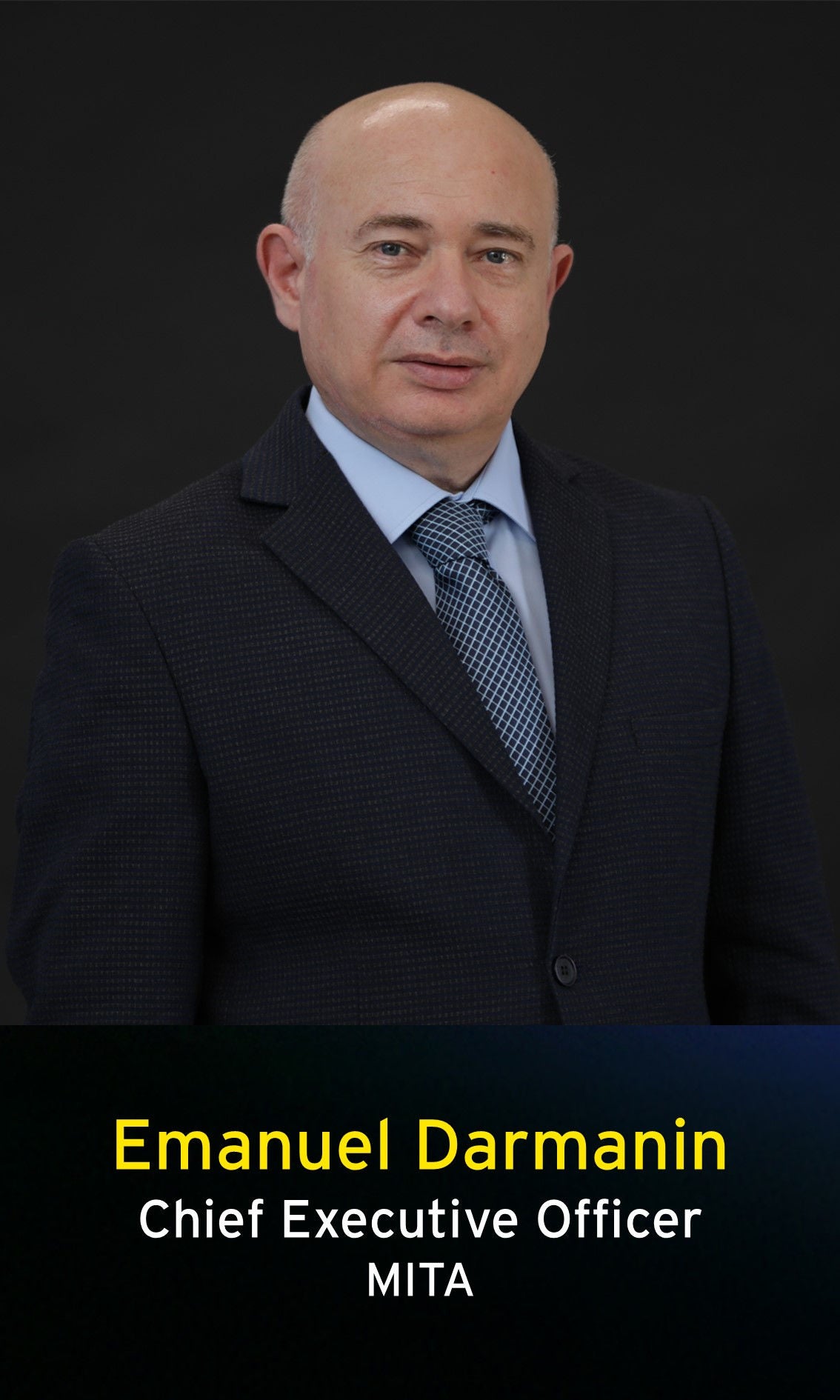


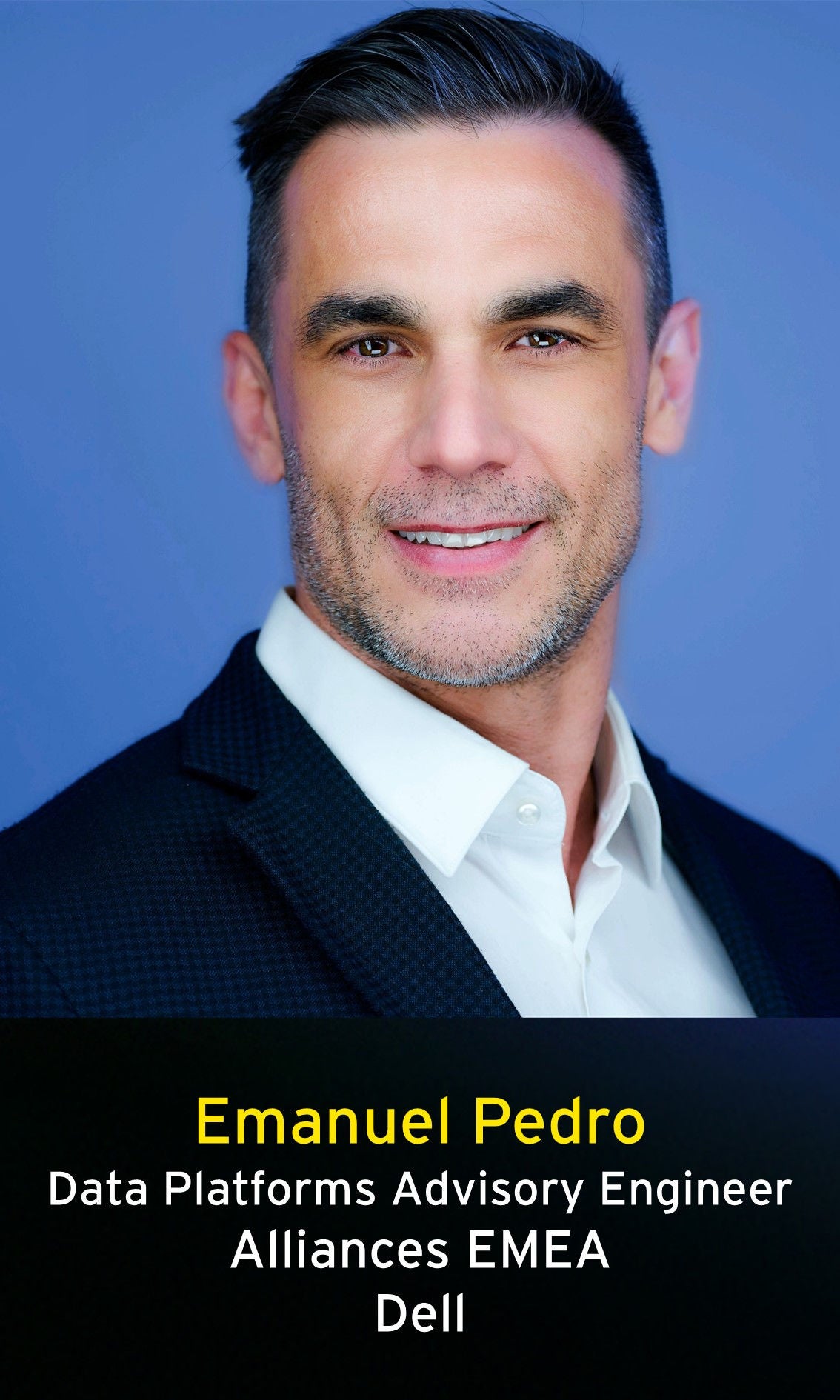
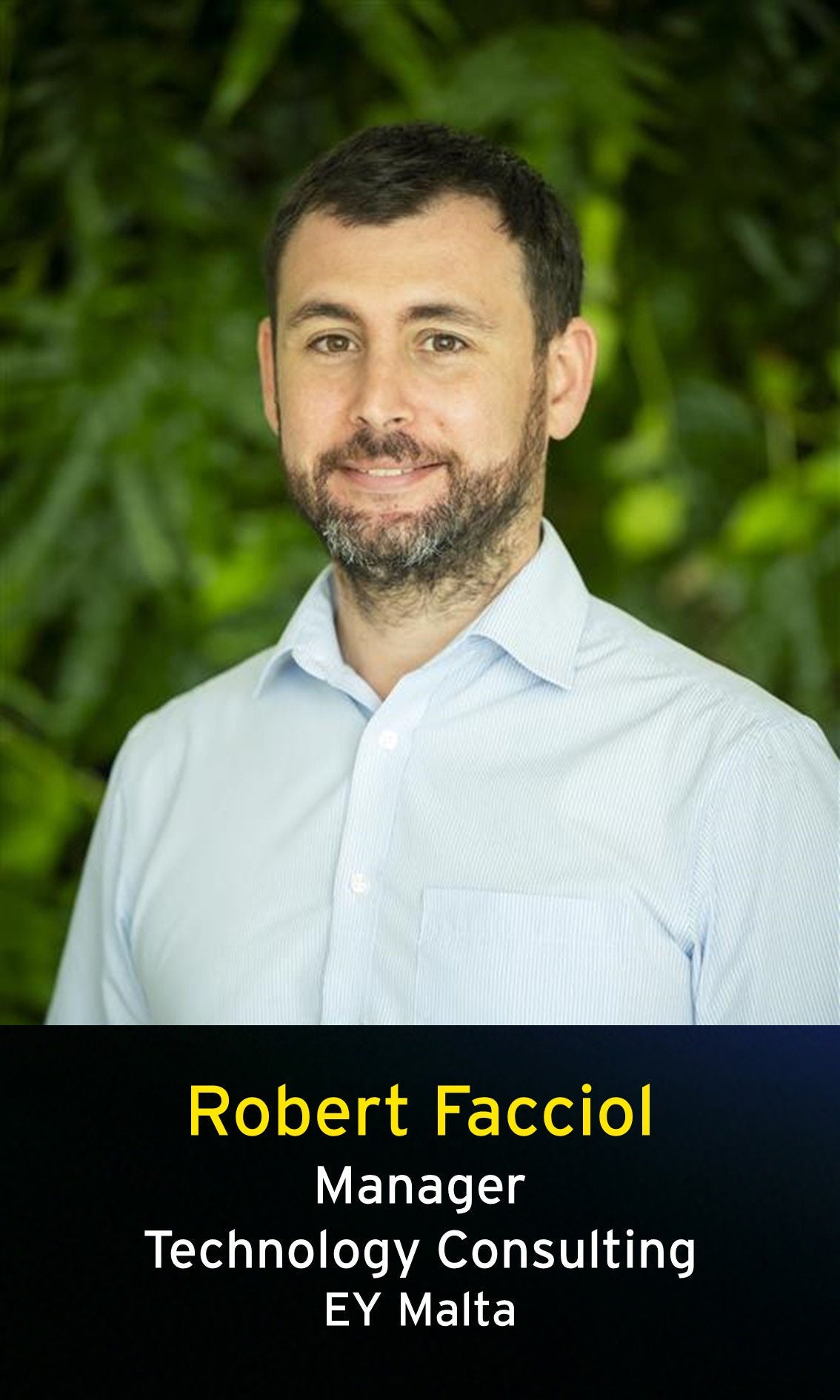
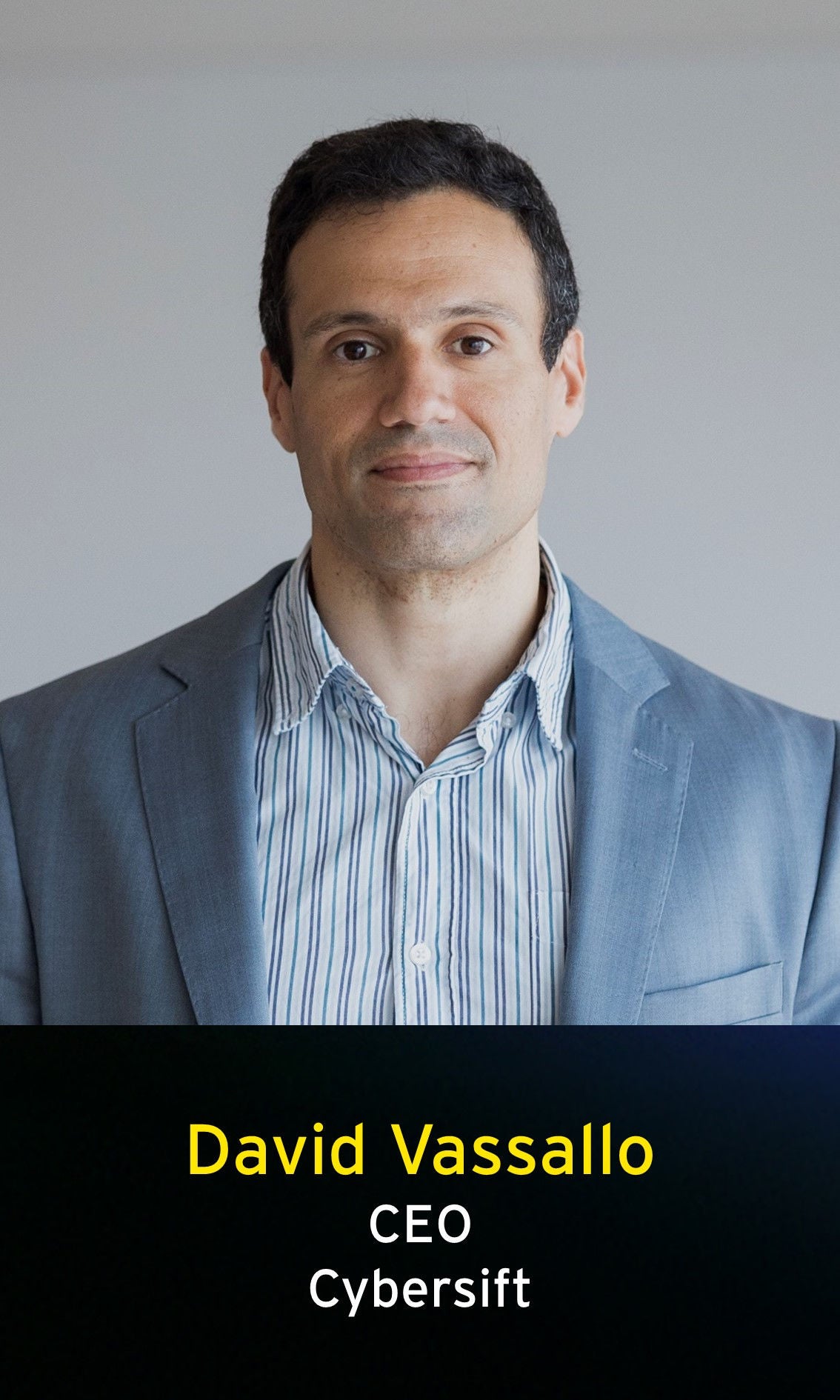

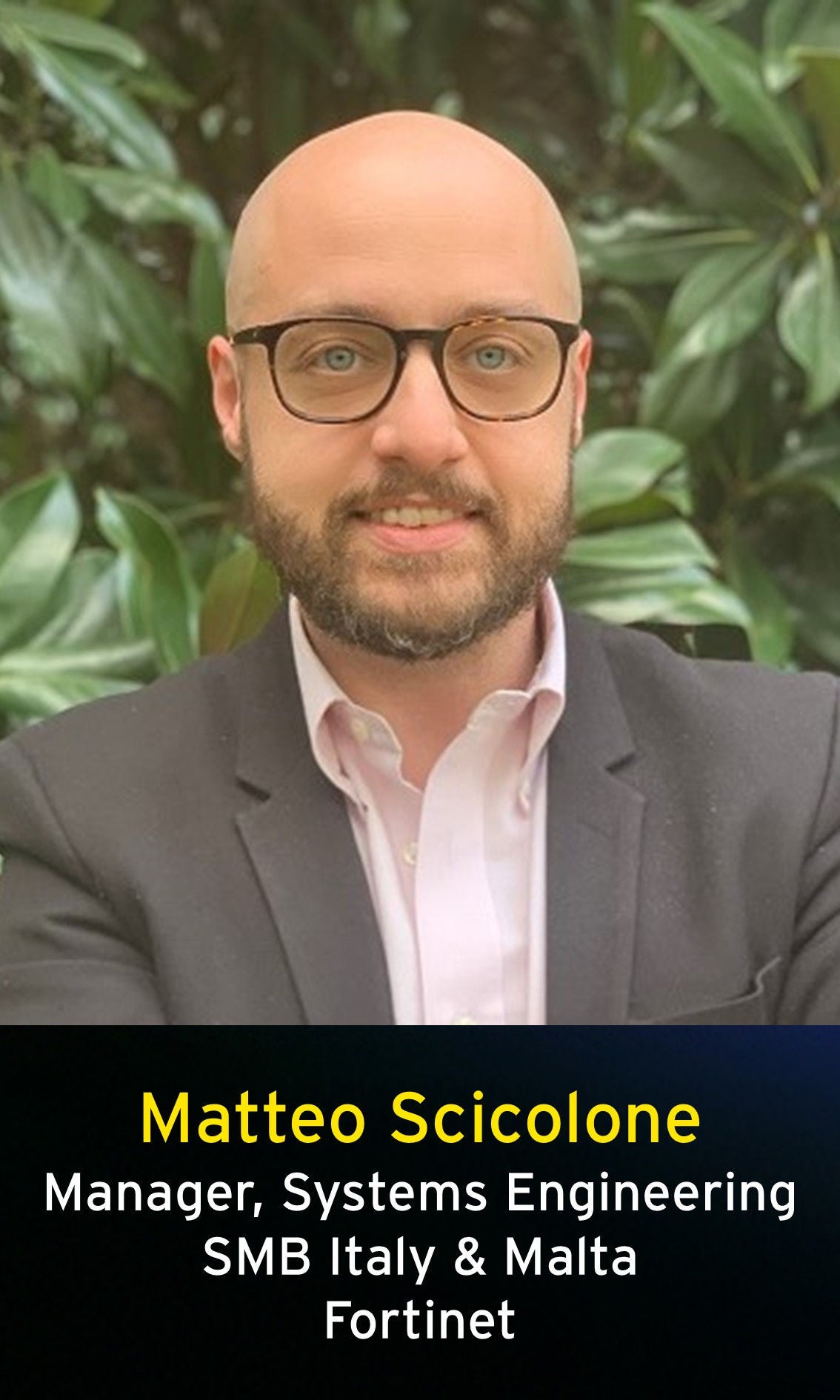
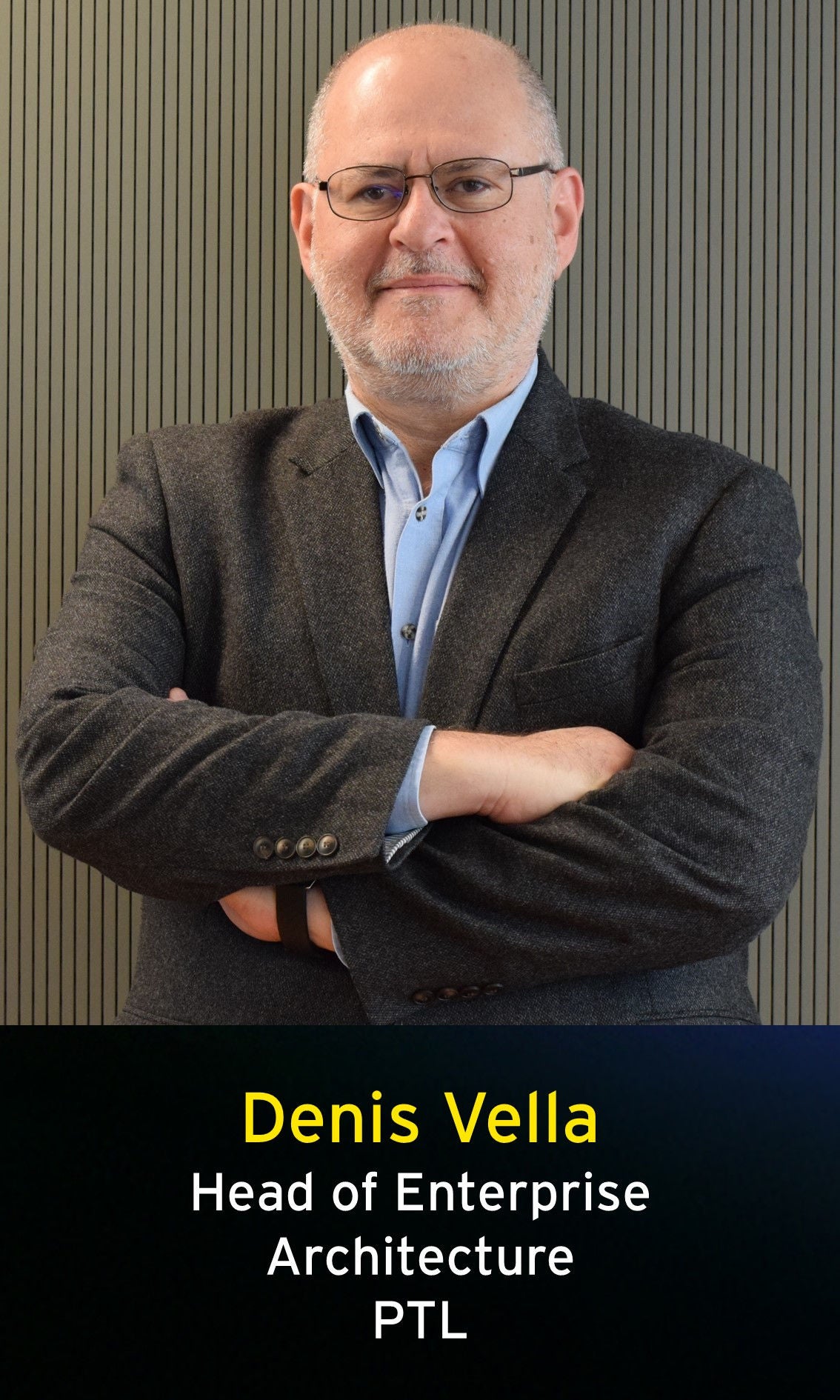



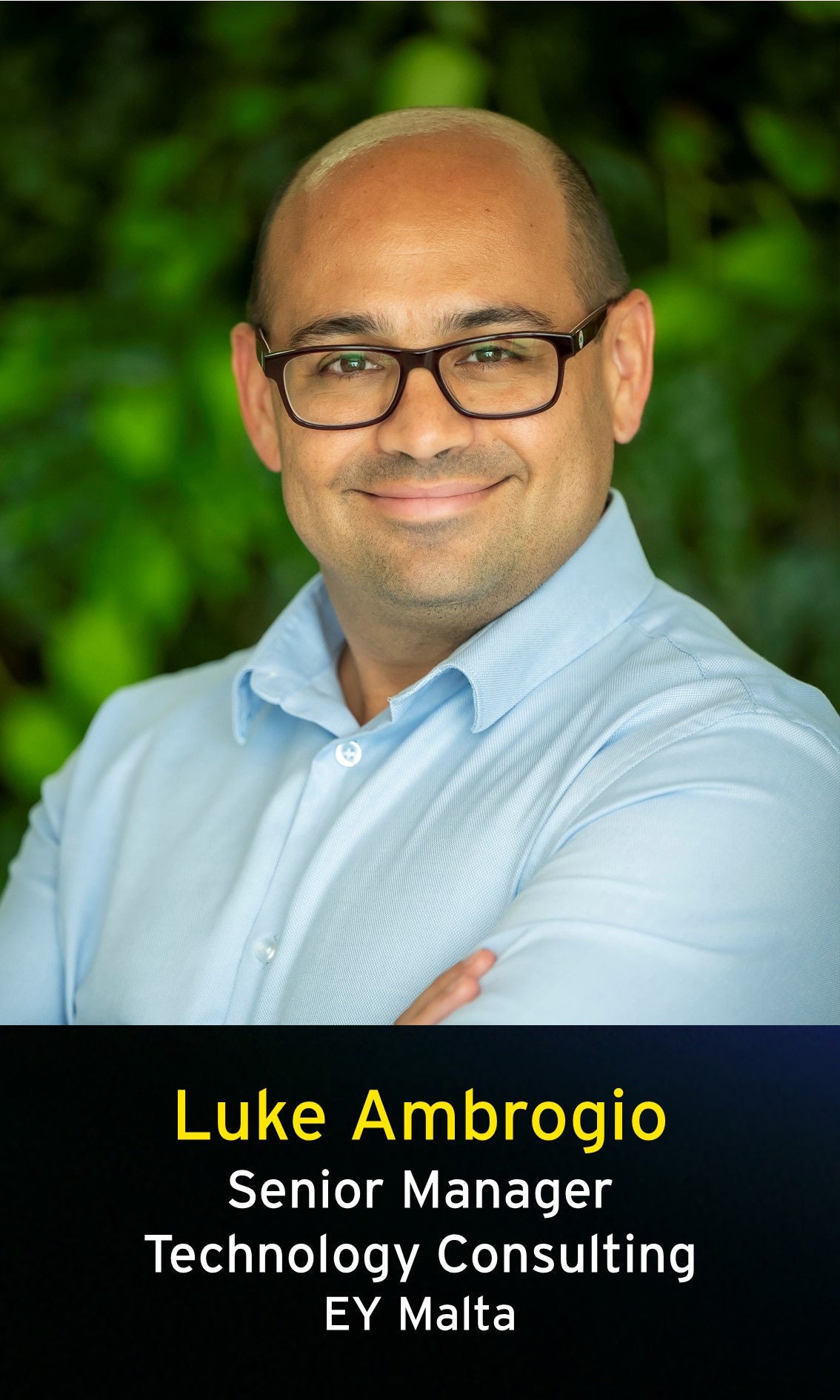
Enterprise IT Transformation involves evolving an organisation's IT infrastructure, processes, and practices to align with modern business needs. Key changes include increased cloud adoption for scalability, digitalisation for enhanced customer experiences, and the implementation of agile methodologies and DevOps for faster deployment. The focus on cybersecurity has intensified, as organisations prioritise data protection and regulatory compliance. Additionally, leveraging data analytics for informed decision-making has become essential.
As a critical component of an organisation's DNA, Enterprise IT underpins communication, collaboration, and operational efficiency, shifting from a support function to a strategic partner that drives innovation and growth. Its roles include enabling innovation, facilitating collaboration, managing data, and mitigating risks.
To effectively drive this transformation, organisations need established practices and frameworks that provide structure, guidance, and best practices. These frameworks support change management, ensuring smoother transitions and minimising resistance. They also promote a culture of continuous improvement, allowing organisations to adapt their IT strategies over time. In summary, Enterprise IT Transformation is vital for organisations to thrive in a rapidly changing landscape, enhancing operational efficiency and maintaining a competitive edge.

Cloud is a core capability that underpins business transformation by providing the agility, elasticity, and scalability necessary for modern organisations. The right balance of private and public cloud is essential, as it allows businesses to leverage the strengths of both environments to meet diverse needs. Early cloud adoption often focused primarily on the technology dimension, but organisations now recognise the importance of governance, operating models, and adoption strategies.
Effective cloud governance ensures compliance and security, while a well-defined operating model facilitates seamless integration of cloud services into existing workflows. Additionally, adopting financial operations (FinOps) practices is crucial for managing cloud costs and optimising resource allocation. As cloud becomes a central component of the technology landscape, it enables organisations to efficiently handle today's data and AI workloads, which require significant computational power and flexibility.
By embracing a comprehensive approach to cloud adoption that includes governance and operational best practices, organisations can fully realise the transformative potential of cloud technology. This holistic strategy not only enhances operational efficiency but also positions businesses to innovate and respond rapidly to market changes, ultimately driving sustained growth and competitive advantage.

Cybersecurity Transformation is increasingly focused on leveraging technology, particularly the adoption of artificial intelligence (AI), to enhance security measures and protect organisations from evolving threats. As cyber threats become more sophisticated, businesses are turning to AI-driven solutions to proactively identify vulnerabilities, detect anomalies, and respond to incidents in real-time. These technologies enable organisations to analyse vast amounts of data quickly, improving threat intelligence and incident response capabilities.
The integration of AI into cybersecurity frameworks allows for automated monitoring and analysis, significantly reducing the time it takes to identify and mitigate risks. Machine learning algorithms can adapt to new threats, continuously improving their effectiveness over time. Additionally, AI can assist in automating routine security tasks, freeing up cybersecurity professionals to focus on more complex challenges.
Governance and compliance with emerging regulations, such as the Digital Operational Resilience Act (DORA) and the EU AI Act, are also critical components of this transformation. Organisations must ensure that their AI-driven security solutions adhere to regulatory standards, fostering trust and accountability.
By embracing technology and AI in their cybersecurity strategies, organisations can enhance their resilience, improve compliance with regulations, and ultimately gain a competitive advantage in a rapidly evolving digital landscape. This proactive approach positions businesses to effectively navigate modern cybersecurity challenges while safeguarding their assets and data.

Digital & Technology Risk Management is increasingly vital for organisations aiming to navigate the complexities of modern business environments. Key trends include the integration of advanced technologies like AI and machine learning for proactive risk identification and assessment. Organisations are leveraging these tools to analyse vast amounts of data, enabling them to detect potential vulnerabilities and threats in real-time.
Another trend is the growing emphasis on a holistic approach to risk management that encompasses technology, cybersecurity, privacy, and operational risks. This integrated perspective allows organisations to understand interdependencies and address risks more effectively. Additionally, there is a heightened focus on regulatory compliance, with evolving requirements necessitating robust governance frameworks that ensure adherence to standards such as GDPR and industry-specific regulations.
Fostering trust in commercial functions, systems, designs, and data is crucial for organisations. By implementing comprehensive risk management solutions, businesses can enhance their resilience, improve stakeholder confidence, and ensure compliance with regulatory demands. Ultimately, this proactive approach not only mitigates risks but also delivers a competitive market advantage, positioning organisations to innovate and thrive in a rapidly changing landscape.

The team
Download here the Full Agenda