


Family Enterprise case study series

How dynasty trusts are setting a family enterprise up for long-term success

With EY support, entrepreneur John Conner, Jr. has preserved his legacy for the future benefit of his descendants, businesses and community.

1

The better the question

How does a family business leader build sustainability for generations?

An entrepreneur’s vision merges business growth with wealth preservation, balancing success with the legacy of dynasty trusts.

John Conner’s long-term vision has underpinned his entrepreneurial success for over five decades. That vision is to invest in farmland and agricultural businesses while empowering communities and driving economic growth across the US mid-South.

In 1970, Conner began working full-time on the 8,000-acre farm in Northeast Arkansas that had been in his family since the 1870s. Since then, he has expanded the farming operation to encompass over 125,000 acres of farmland. He has also seized the opportunity to serve local agricultural communities by building up a dozen businesses, including Holden Conner (a farmland investment and management company), a 30-location agricultural machinery dealership, a 60-location fuel distribution business and a commercial construction company.

Together, these interconnected businesses form a network that employs more than 1,500 people across Arkansas, Louisiana, Mississippi and Missouri. The businesses are aligned by their complementary services, commitment to long-term sustainability and shared family values.


“Family values are the backbone of our culture,” Conner says. “The way we work, lead and connect with others is very important to us. Hard work, consistency and persistence are core to our culture,” he adds.”
 

Conner emphasizes that people are the most important part of his organization. “We treat our employees, tenants and partners like family. We know their names, their kids and their stories. That mindset creates trust and accountability.”
 

Conner’s determination to preserve his vision, look after his people, and ensure the long-term sustainability of his family, land and businesses, led him to set up a dynasty trust in 2010. His late father had also set up a dynasty trust at the same time. Dynasty trusts are irrevocable trusts that can last hundreds of years. They are designed to hold and manage assets for multiple generations, preserving businesses and land holdings and enabling wealth to be efficiently transferred over time. The beneficiaries of both Conner family trusts are the children, grandchildren and future generations of the trust founders.
 

Establishing the dynasty trusts was a far-sighted business decision on Conner’s part. Nevertheless, that was just the start of the legacy preservation process. He recognized that he needed to professionalize and operationalize the trusts if they were to be effective over the long term.
 

“Managing trusts across generations is complex,” Conner says. “With multiple beneficiaries, evolving legal frameworks and different expectations, we faced both legal and emotional challenges. The biggest hurdles were around communication, alignment of expectations and establishing strong governance. Everyone wants what’s best for the family and the business but defining what ‘best’ looks like isn’t always easy,” he adds.

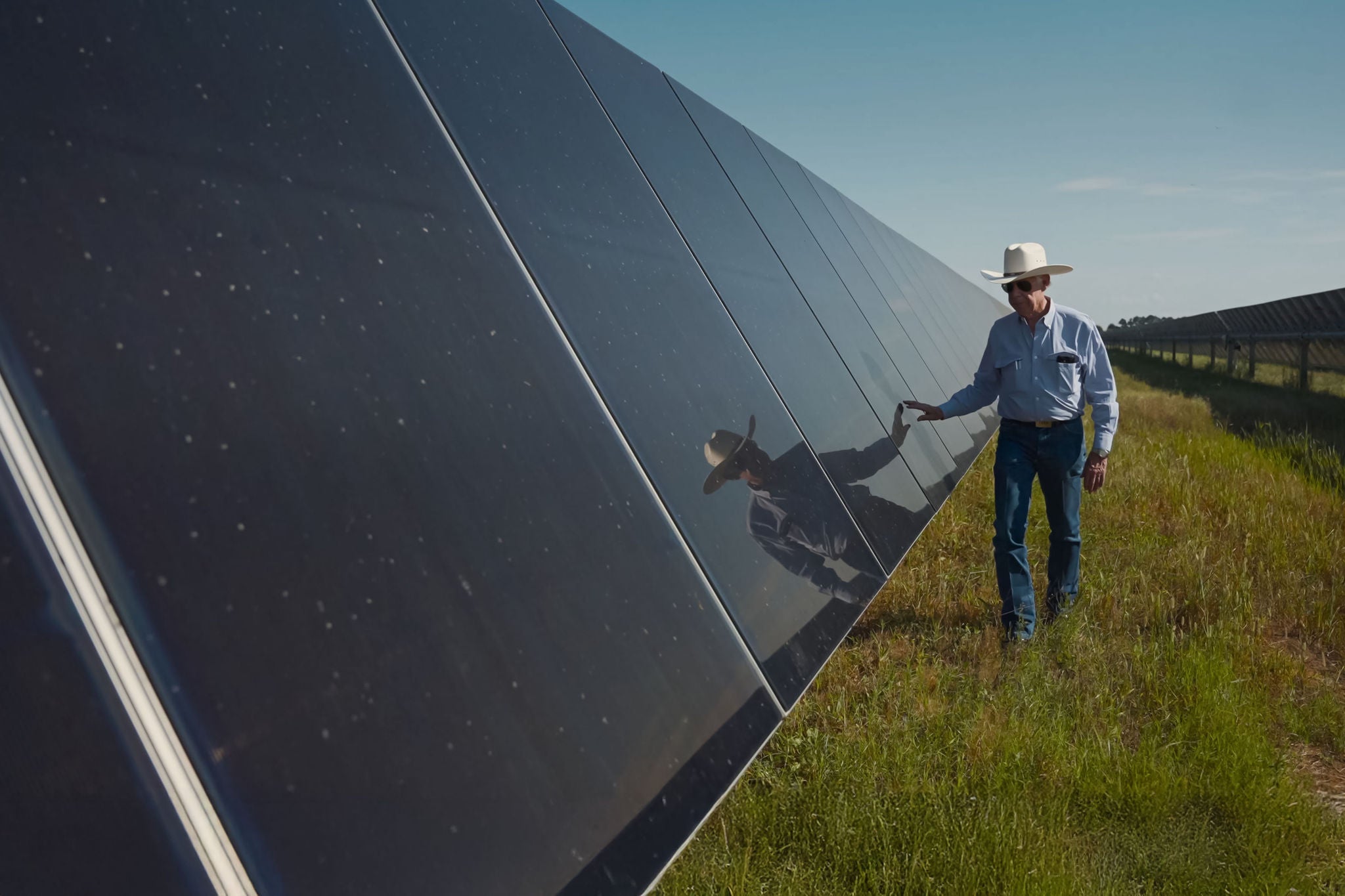
holden conner father by solar panels
2

The better the question

Professionalizing the governance and operations of dynasty trusts

The Conner family trusts were transformed from legal vehicles into practical systems that will safeguard assets from generation to generation.

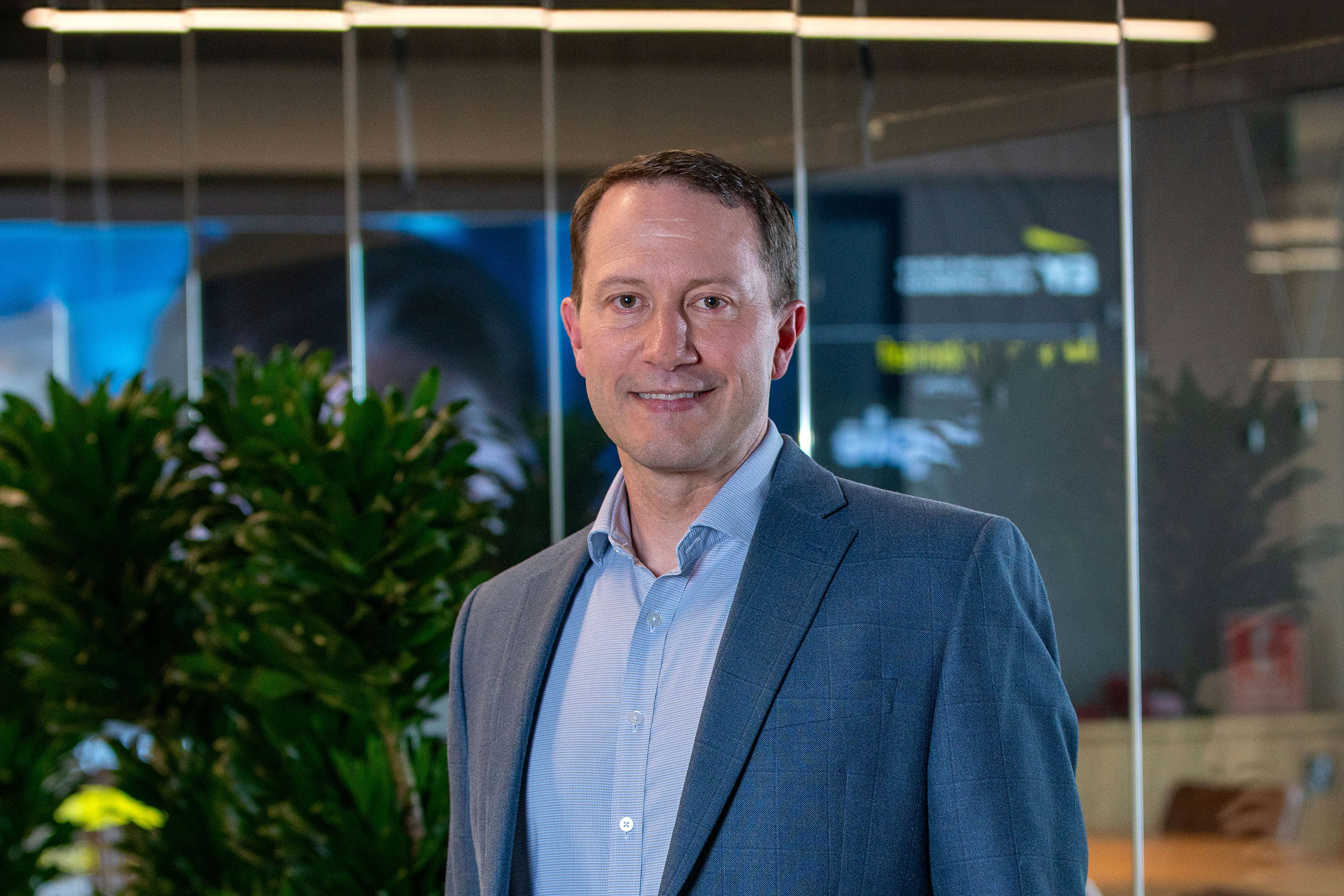
In 2023, Conner and his leadership team attended the EY US Family Enterprise Leadership Summit at an EY wavespace™ innovation hub, hosted by James Bly, Managing Director, Family Enterprise Business Services, Ernst & Young LLP. Impressed by the insights from the program, he subsequently asked Bly to support him with professionalizing the dynasty trusts that he and his father had set up.
 

Specifically, Conner wanted the EY team’s help with transforming the trusts from being primarily legal vehicles into a working, practical system that was aligned with his long-term goals. He also wanted EY professionals to help him develop a robust governance model for the trusts.
 

“Our aim was to establish a structure that would enable experienced independent trustees and independent directors to keep growing the businesses in the trust from generation to generation while ensuring their financial wellbeing,” Bly explains.
 

Drawing on the proprietary EY Family Enterprise DNA Model, Bly and his team supported Conner’s leadership team to professionalize the governance and operations of the two trusts. This involved:

  • Setting up a shared services company to streamline the appointment of independent board members to oversee the businesses held in the trust
  • Recruiting and installing an independent business advisory board, including board members with accounting, business and management experience, to advise the trustees
  • Improving the reporting processes so that reporting by individual businesses is shared with the shared services company as well as the trustees
  • Buying out and retiring the interests of one non-family equity partner
  • Formalizing succession processes for board members, trustees and members of the business management teams
  • Prioritizing risk-based capital allocation to help enable the businesses within the dynasty trusts to grow and flourish
  • Bridging the communication gap between generations so that the family’s vision for the trusts is aligned with legal and operational realities
  • Producing a manual that sets out how to execute the trust agreement
     

Challenges with professionalization are common among families that implement dynasty trusts. “Many families that transfer assets into dynasty trusts face the same issues as the Conner family,” Bly says. “While they get support from professional advisors when setting up the trusts, they are then left on their own to operationalize those trusts. The system we created for the Conner family is tailored to their needs and uses successful practices from other families.”
 

Now that the new systems and processes are in place, the Conner family is actively testing them and identifying opportunities for continuous improvement. They are also preparing the next generation of trustees, directors and beneficiaries to execute their responsibilities. “We will now focus on education and mentorship,” says Conner. “We’ve built the framework. Now we must make sure the next generation understands it, respects it and is prepared to grow it. I want the trusts to be more than just a way to hold assets. I also want them to teach values.”
 

Conner appreciates the EY team’s deep knowledge of family businesses, which shone through in the relevant and personalized advice they provided. “EY listens,” he says. “Their people don’t just come in with a standardized playbook. They take the time to understand who we are, what we care about and how we operate. With the help of their knowledge and experience in similar situations, they provided great advice to guide us to a solution. That made all the difference.”
 

“When business and family move forward together, they unlock enduring value across generations,” says Brock Griffiths, EY Americas Family Enterprise Leader. “Dynasty trusts are effective when governance and processes are actively implemented — transforming a shared purpose into clear, repeatable decisions that guide both the enterprise and the family,” he adds.

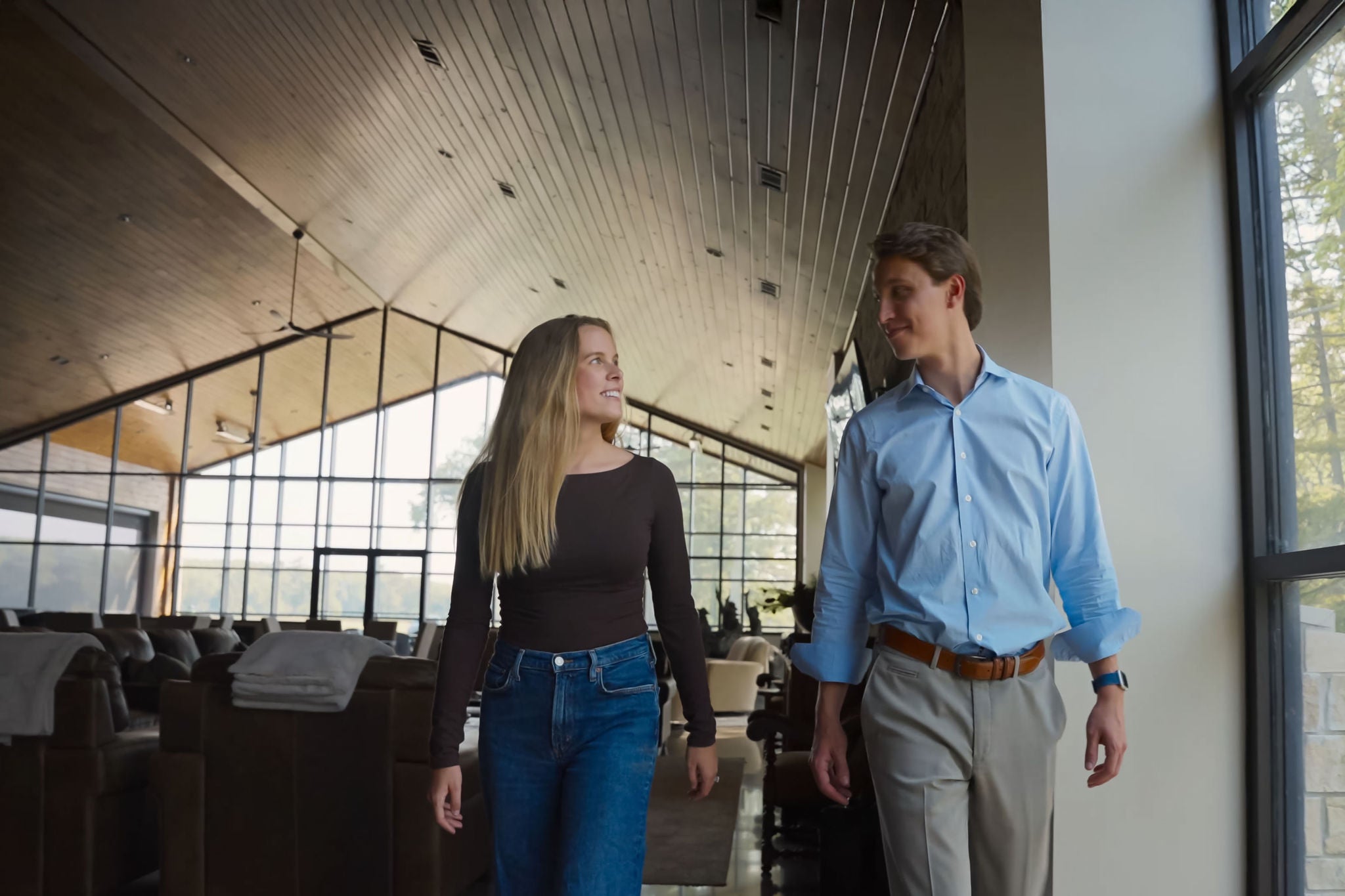
Holden Conner family walking in office
3

The better the question

Foundation for good governance and long-term planning

The family dynasty trusts will have a far-reaching social and economic impact.

While he has many demands on his time, professionalizing the dynasty trusts is a major priority for Conner. “The success of my family and the success of these trusts is 100% dependent on getting the right structure in place,” he says. “If EY hadn’t been involved, I don’t think we’d be nearly as far along the process as we are today. Their advice helps us to avoid a lot of the pitfalls that can come with multigenerational trusts, such as confusion, inefficiency or even division. EY helped to bring clarity, alignment and a shared vision that kept us focused on the bigger picture,” Conner says.
 

As well as benefiting his family, Conner believes the professional support has bolstered the wider community. “EY’s work on the dynasty trusts has made a lasting impact, not just on our family, but on the entire organization and beyond,” he says. “Jim (James) has been hands-on, attending strategy meetings, trust meetings and board discussions, offering valuable insights and helping us think more strategically. His guidance has helped us become more stable, more accountable and more forward-looking. That’s had a ripple effect, strengthening our businesses, supporting our employees and providing consistency to our tenants and customers.”
 

Bly also thinks the dynasty trusts will have a far-reaching social and economic impact. “Well-governed, professionally operated, growing and profitable multigenerational family businesses are the lifeblood of smaller cities, towns and rural regions,” he explains. “Effective generational transition plans provide stability for the businesses, along with their employees, customers, suppliers and the communities in which they operate.”
 

Conner’s advice for other entrepreneurs who may be looking to set up, or professionalize, a trust is to use expert advisors, start early and think long term. “Most people don’t plan for a long-term solution for their families,” he says. “Also, every decision you take should reflect the values of what you want to preserve, across the generations, and what you want your business culture and legacy to be.”
 

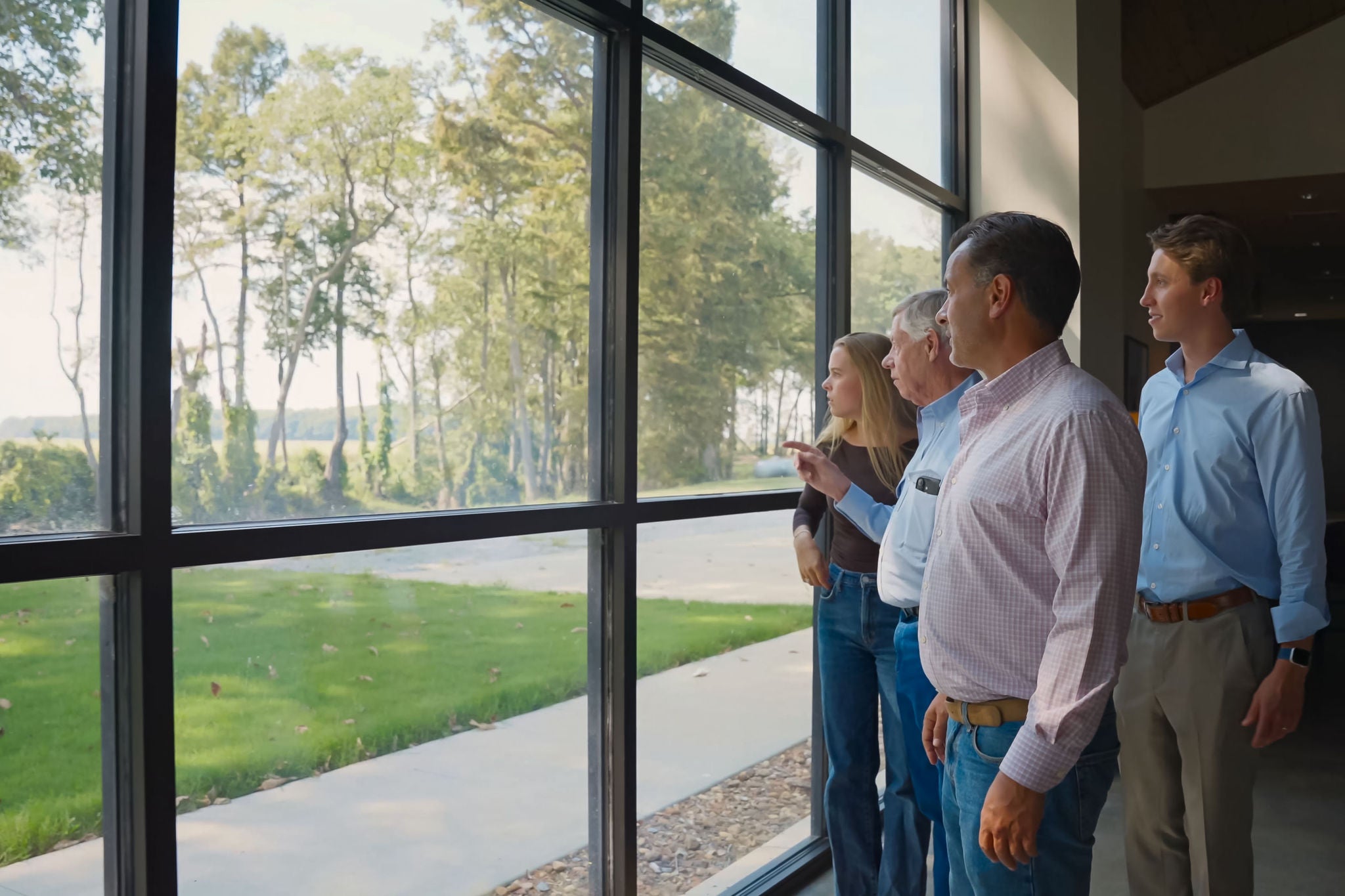
To preserve family values, Conner is involving the next generations with the trusts and businesses. His son, John Conner III, acts as a trustee while his granddaughter, Caroline, and her husband, Pace, are both heavily involved in the day-to-day operations of Holden Conner. Other family members are continuing to build their experience by working in various parts of the organization.
 

Thanks to the trusts, Conner is confident that he can leave his businesses and leadership team with a clear vision and ability to take the family to the next level in future. “Because I’ve got dynasty trusts, I wake up happier every day than I was the day before,” he says. “The trusts give us a foundation for good governance and long-term planning, helping us to navigate growth without compromising the integrity of our vision.”

Contact us

Like what you’ve seen? Get in touch to connect with our specialized teams and learn more.

Explore case studies

Learn how EY teams help our clients solve their toughest issues and shape their future with confidence.