



EY refers to the global organization, and may refer to one or more, of the member firms of Ernst & Young Global Limited, each of which is a separate legal entity. Ernst & Young Global Limited, a UK company limited by guarantee, does not provide services to clients.
Recent Searches
Press release
29 Aug 2025
EY Thailand hosted the annual EY CFO Forum 2025 under the theme
"Driving Value Creation Forward"
EY Thailand hosted the annual EY CFO Forum 2025 under the theme driving value creation forward (Thai)
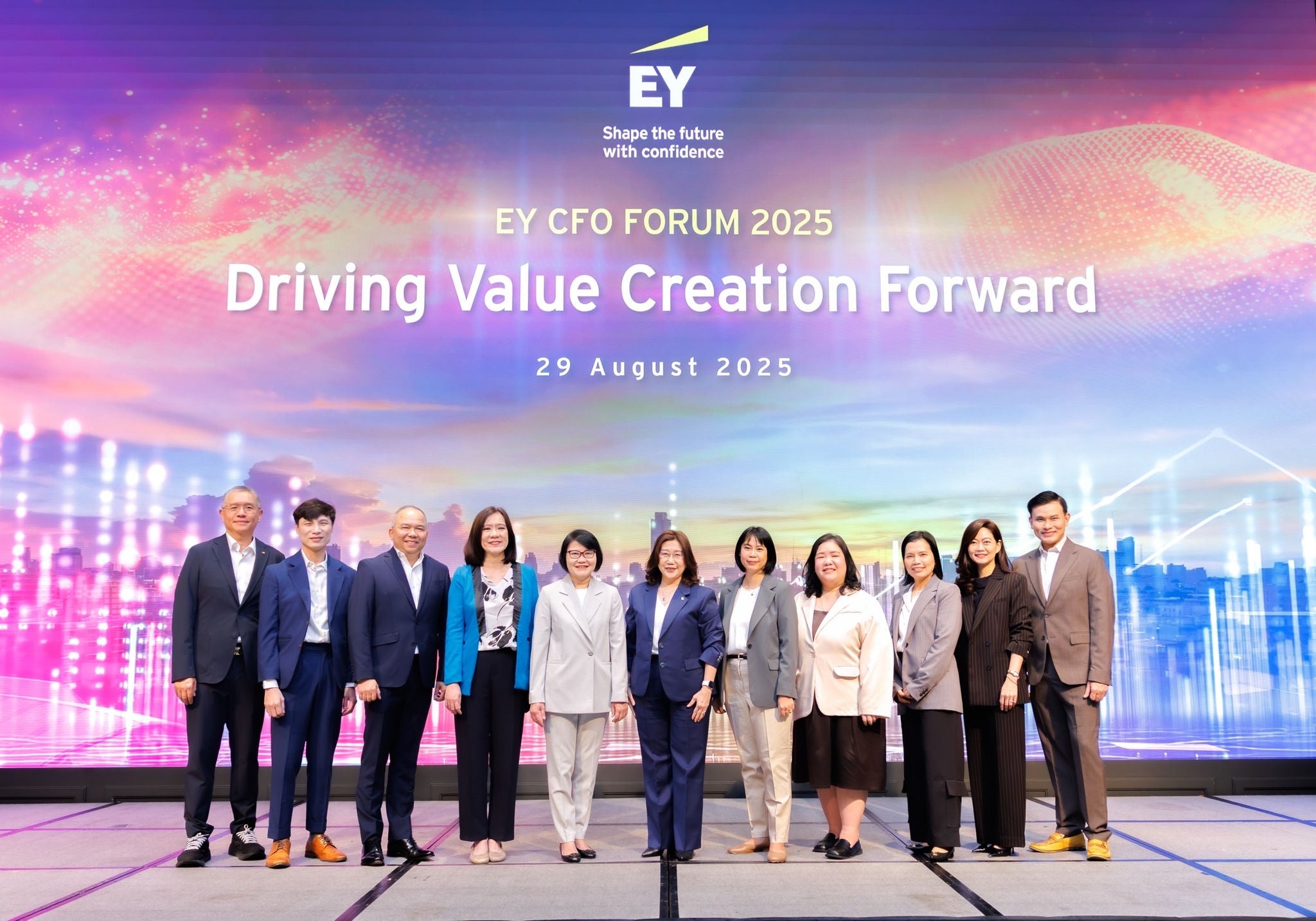
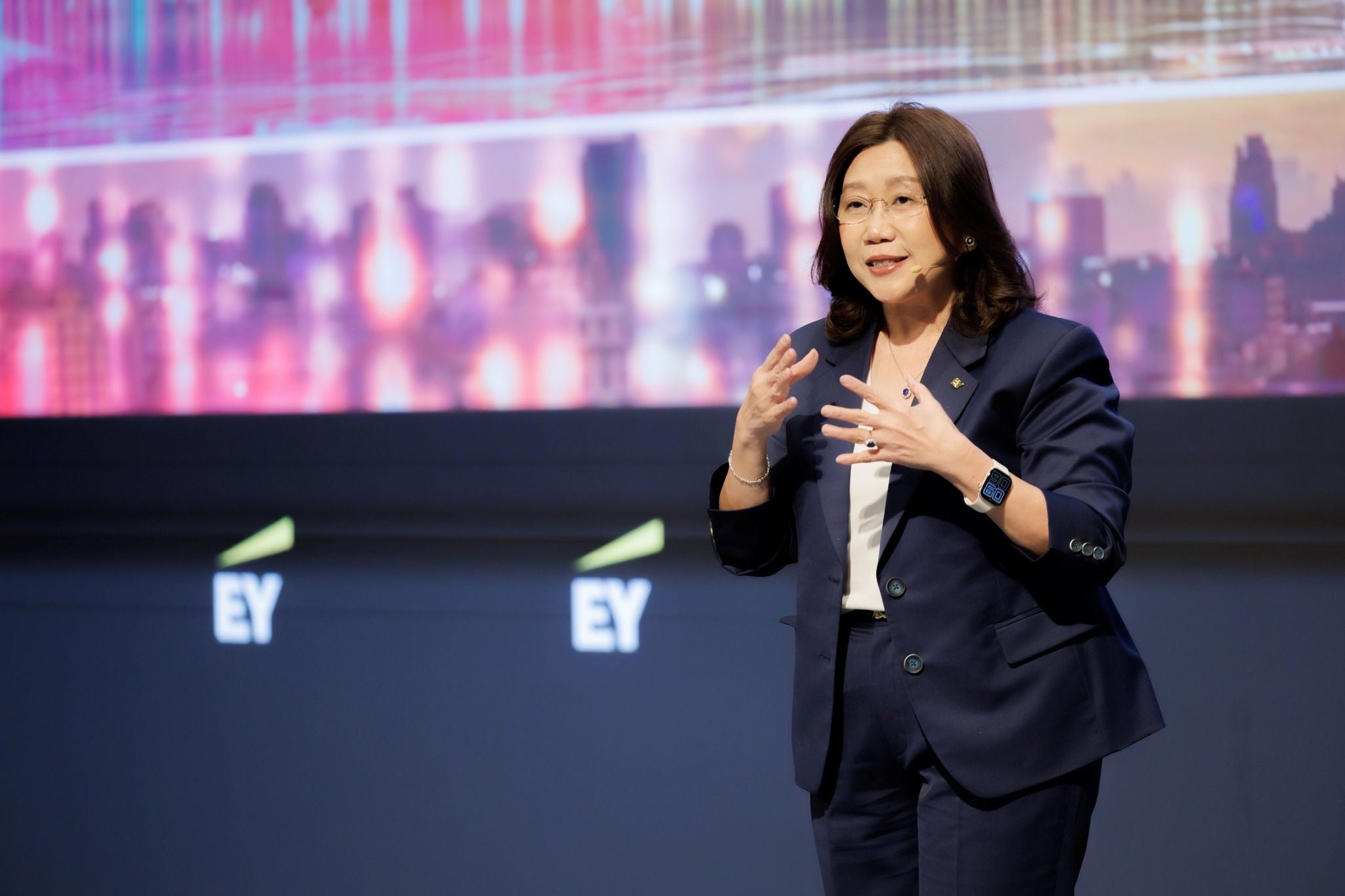
Bangkok, 29 August 2025. EY Thailand, a global leader in assurance and business consulting services, recently hosted its annual EY CFO Forum 2025 under the theme “Driving Value Creation Forward”. The forum delved into the evolving role of Chief Financial Officers (CFOs) in driving organizational strategy amid current changes and challenges. The event was honored by Ratana Jala, Country Managing Partner, who delivered the opening remarks and warmly welcomed participants at the InterContinental Bangkok.
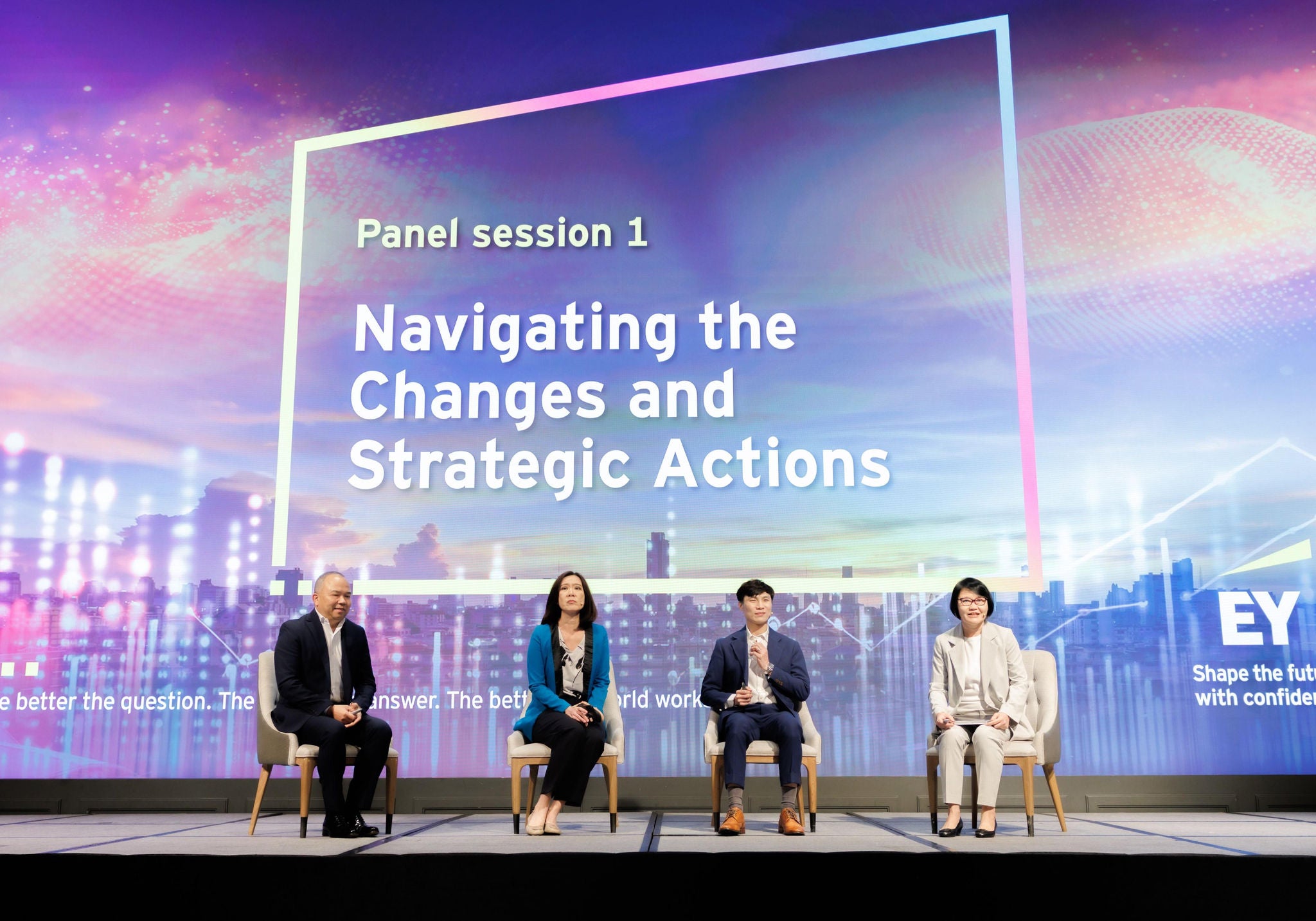
The seminar was structured into two sessions. The first session, a panel discussion on the topic “Navigating the Changes and Strategic Actions,” was opened with remarks from Waraporn Prapasirikul, Partner and EY Thailand Assurance Leader, who discussed notable developments in accounting and financial reporting standards. Key highlights included TFRS 17, which will be effective in 2025 for insurance businesses, TFRS 18 – to be implemented in 2028, to provide clearer presentation of income statements, and TFRS 19, which offers options to reduce the financial reporting burden for subsidiary companies that are not listed or do not have public accountability.
Kasem Kiatsayrikul, Partner and EY Thailand Tax Leader, shared insights into key tax-related developments, including the Emergency Decree on Top-Up Tax, which imposes a 15% minimum tax on large multinational enterprises that meet specified global revenue thresholds. He also discussed the forthcoming Qualified Refundable Tax Credit (QRTC), a tax incentive in the form of credits that can be used to settle tax liabilities or refunded in cash, designed to attract investments in targeted industries. Lastly, he addressed the rising and volatile US tariffs, which directly affect Thai exporters and require businesses to adapt to shifting trade policies.
Additionally, there have been changes to sustainability reporting standards. Wilaiporn Ittiwiroon, Partner and Climate Change and Sustainability Services Leader, stated that listed companies will be required to disclose sustainability information in accordance with international standards: IFRS S1 (General Requirements) and IFRS S2 (Climate-related Disclosures). Furthermore, the Stock Exchange of Thailand has upgraded its ESG Ratings assessment to international levels. Starting in 2026, FTSE Russell will serve as the evaluating body, using publicly disclosed company information to enhance credibility.
Amid various changes and challenges faced by CFOs, Chakkaphan Athapornmongkon, EY-Parthenon Partner, recommended that financial executives adopt a dual-focus strategy to strike a balance between revenue and profit. This approach calls for cost reduction to unlock capital, which can then be reinvested into future growth, leveraging innovation and digital technology. In addition, companies should seek opportunities to diversify markets and set clear new targets leading to adjustments in their business models for enhanced competitive advantage.
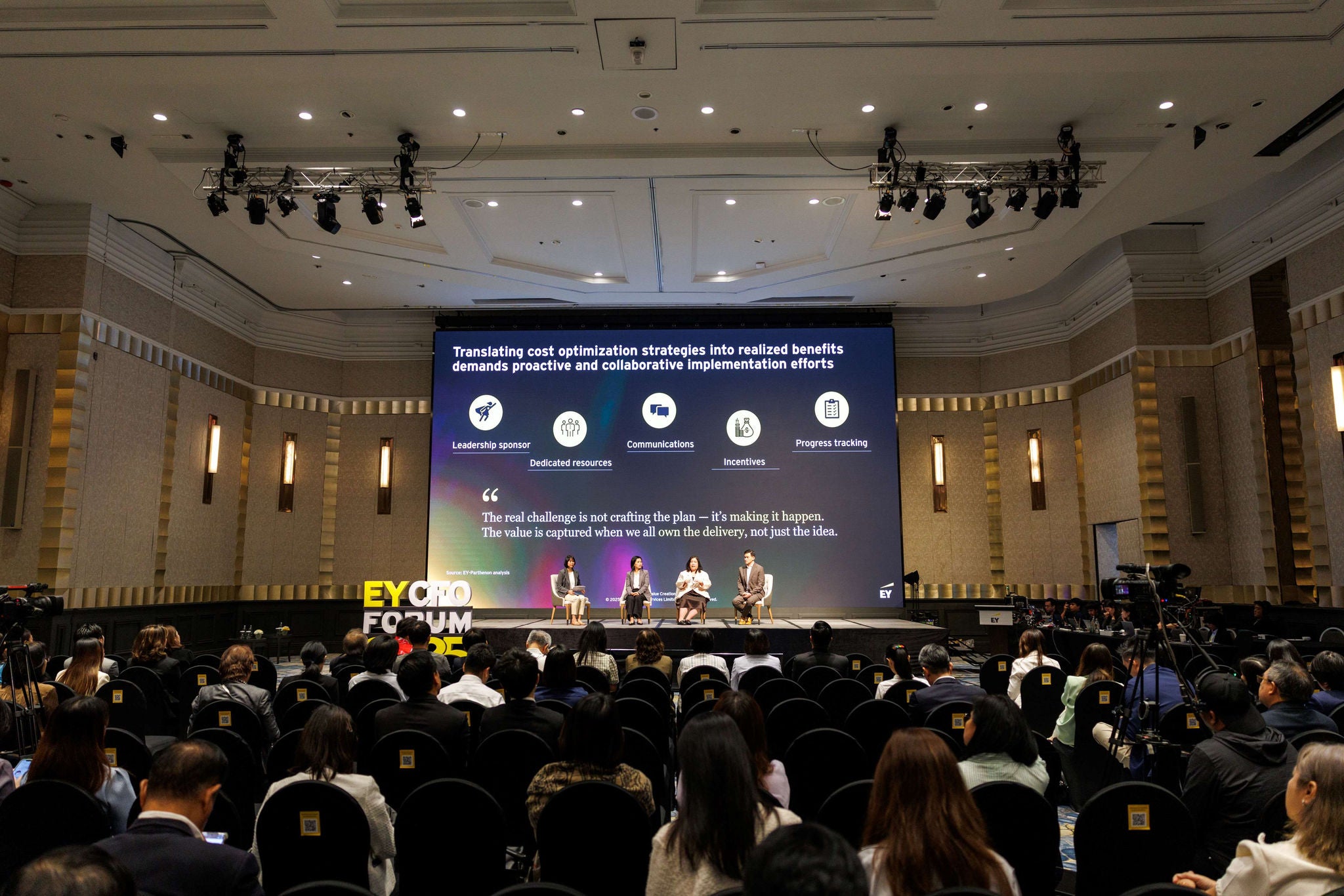
During the second session, “Reimagine the Business: From Cost Optimization to Transformation,” EY specialists emphasized the importance of taking a comprehensive view of the business, using cost optimization as a tool to enhance value, with technology as a key driver for sustainable growth. Oraphun Cheng, EY-Parthenon Partner, outlined both internal and external challenges impacting businesses and provided guidance on how to sustainably optimize costs across multiple dimensions, such as managing the supply chain to reduce costs, utilizing external expertise, streamlining processes and developing personnel, establishing shared services centers to eliminate redundancies and improve management efficiency.
Suchok Sukkasem, Technology Consulting Partner, discussed the importance of investing in technology to improve cost efficiency, starting with areas that can deliver the greatest impact across organizations, particularly those involving high manpower usage or large transaction volumes. In such cases, automation technologies can substantially reduce workload and deliver strong returns on investment. He also emphasized that investments in AI should be guided by clear business objectives, such as enhancing efficiency, reducing risk, or enabling data analysis, to ensure that chosen technologies seamlessly align with organizational goals.
Monchaya Koolawong, Business Consulting Partner, shared a case study of a retail business that successfully implemented AI in a fully automated model to efficiently manage end-to-end processes—from product selection to invoicing and payments. This resulted in a 70–90% increase in operational efficiency and significantly reduced workforce requirements. She advised that, before investing in AI, businesses should identify specific pain points where AI can best address and develop a clear three-to-five-year operational roadmap to ensure that the investment and transformation are well-directed and deliver maximum benefits.
In the closing session, Chinumar Huk-han, Partner, International Tax and Transaction Services, provided a tax perspective, noting that although compliance tasks typically involve high costs, they can be transformed into strategic functions that add value to businesses. By adopting Tax Intelligence Automation, or automated systems, companies can automate routine processes, enabling tax teams to focus more on strategic planning. At the same time, the team should be provided with upskilling and reskilling opportunities to enhance their strategic capabilities and create long-term benefits for organizations.
The surrounding opportunities and challenges highlight that the role of CFOs extends far beyond budget management or financial reporting. Instead, CFOs must now be visionary leaders with a comprehensive, multi-dimensional perspective, equipped with a deep understanding and readiness to tackle various issues.This enables them to develop robust financial strategies and guide organizations toward sustainable growth.
The EY CFO Forum 2025 concluded with resounding success, exceeding all expectations. We were honored to have over 450 clients attend. On behalf of EY, we extend our sincere gratitude to all clients for their attendance, trust, and continued support, and we look forward to welcoming you all again in the future.
The EY CFO Forum is EY’s annual seminar held to serve as a platform for Chief Financial Officers (CFOs) to gain insights from EY specialists, while exchanging knowledge, experiences, and strategic perspectives with peers. Each year, the forum aims to help CFOs prepare for rapidly evolving business challenges, presenting carefully curated topics that reflect the current business landscape, ensuring the content is truly relevant and valuable for today’s financial leaders.
-ends-
About EY
EY exists to build a better working world, helping create long-term value for clients, people and society and build trust in the capital markets.
Enabled by data and technology, diverse EY teams in over 150 countries provide trust through assurance and help clients grow, transform and operate.
Working across assurance, consulting, law, strategy, tax and transactions, EY teams ask better questions to find new answers for the complex issues facing our world today.
EY refers to the global organization, and may refer to one or more, of the member firms of Ernst & Young Global Limited, each of which is a separate legal entity. For more information about our organization, please visit ey.com.
This news release has been issued by EY Corporate Services Limited, a member of the global EY organization
APAC no. 15001605