



EY refers to the global organization, and may refer to one or more, of the member firms of Ernst & Young Global Limited, each of which is a separate legal entity. Ernst & Young Global Limited, a UK company limited by guarantee, does not provide services to clients.
Recent Searches
Press release
03 Oct 2025
EY Thailand hosted the annual Audit Committee Seminar 2025
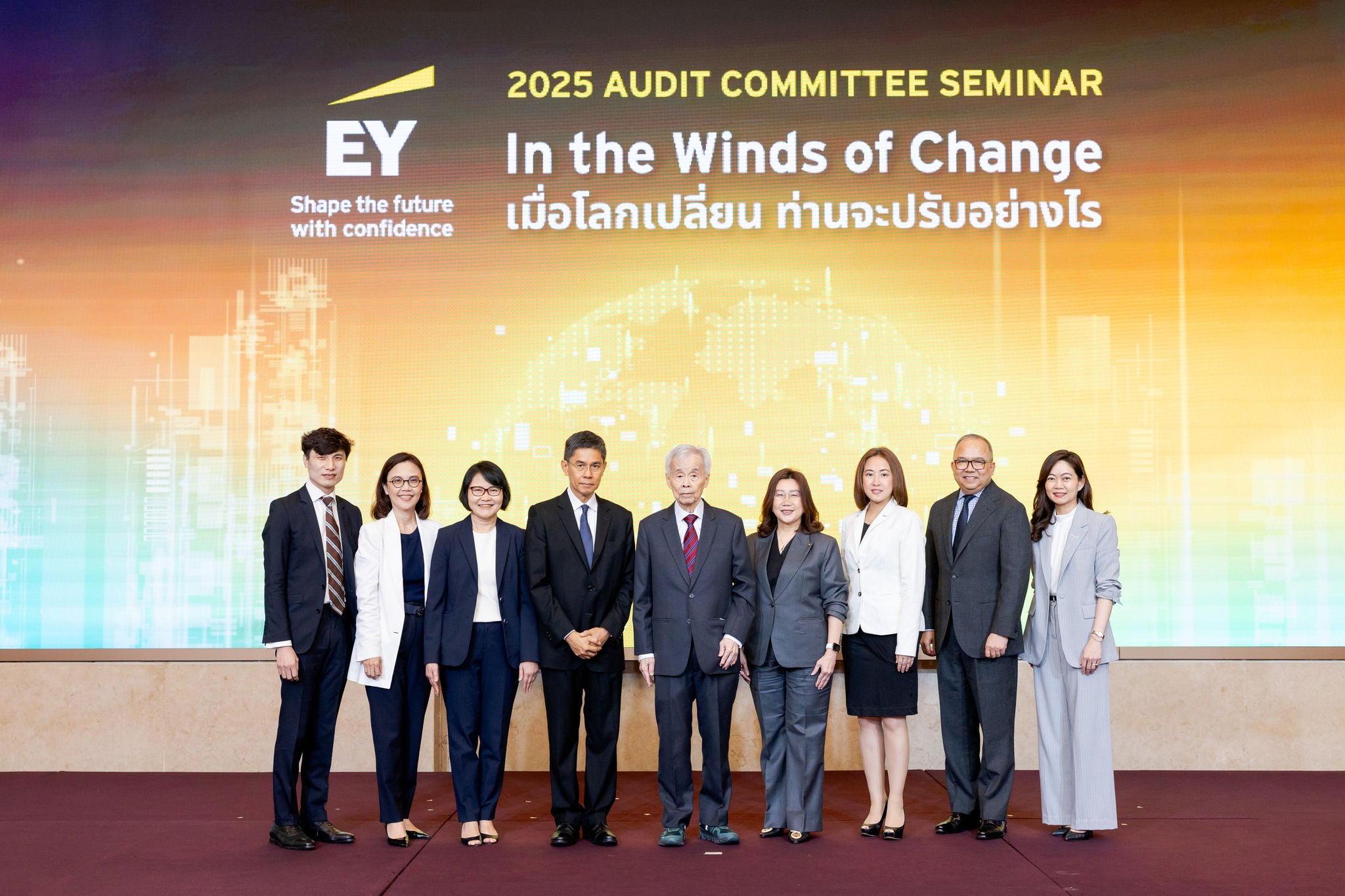
Bangkok, 3 October 2025. EY Thailand, a leading global firm providing assurance, tax, and business advisory services, reaffirmed its commitment to strengthening corporate governance among Thai businesses to better navigate global uncertainties by hosting the 2025 Annual Audit Committee Seminar under the theme "In the Winds of Change: When the world changes, how will you adapt?". The seminar offered in-depth insights into challenges arising from increasingly complex geopolitical tensions and global trade wars, which are key factors driving Audit Committees to adapt their roles and governance strategies to ensure stable and sustainable organizational operations. The event was honored by Ratana Jala, Country Managing Partner, who delivered the opening remarks and welcomed participants at the Siam Kempinski Hotel Bangkok.
The seminar’s first session, titled “The current Wind of Change: Navigating challenges in Financial matters, ESG, Tax, and Business Strategy,” was led by Kasem Kiatsayrikul, Partner and EY Thailand Tax Leader. Kasem provided an overview of the global free trade system under the World Trade Organization (WTO), which is currently facing significant volatility due to the implementation of the US Reciprocal Tariff policy, further exacerbated by escalating trade wars and geopolitical conflicts. As a tax expert, he emphasized that businesses must prepare for and adjust their strategies to address three key developments that will inevitably increase tax costs: 1. US Tariffs – particularly the tightening of inspections on product origins (Transshipment); 2. Carbon Tax – with the enforcement of related measures being delayed in certain regions; and 3. Global Minimum Tax scheme – which requires large multinational corporations to pay a top-up tax at a minimum rate of 15%.
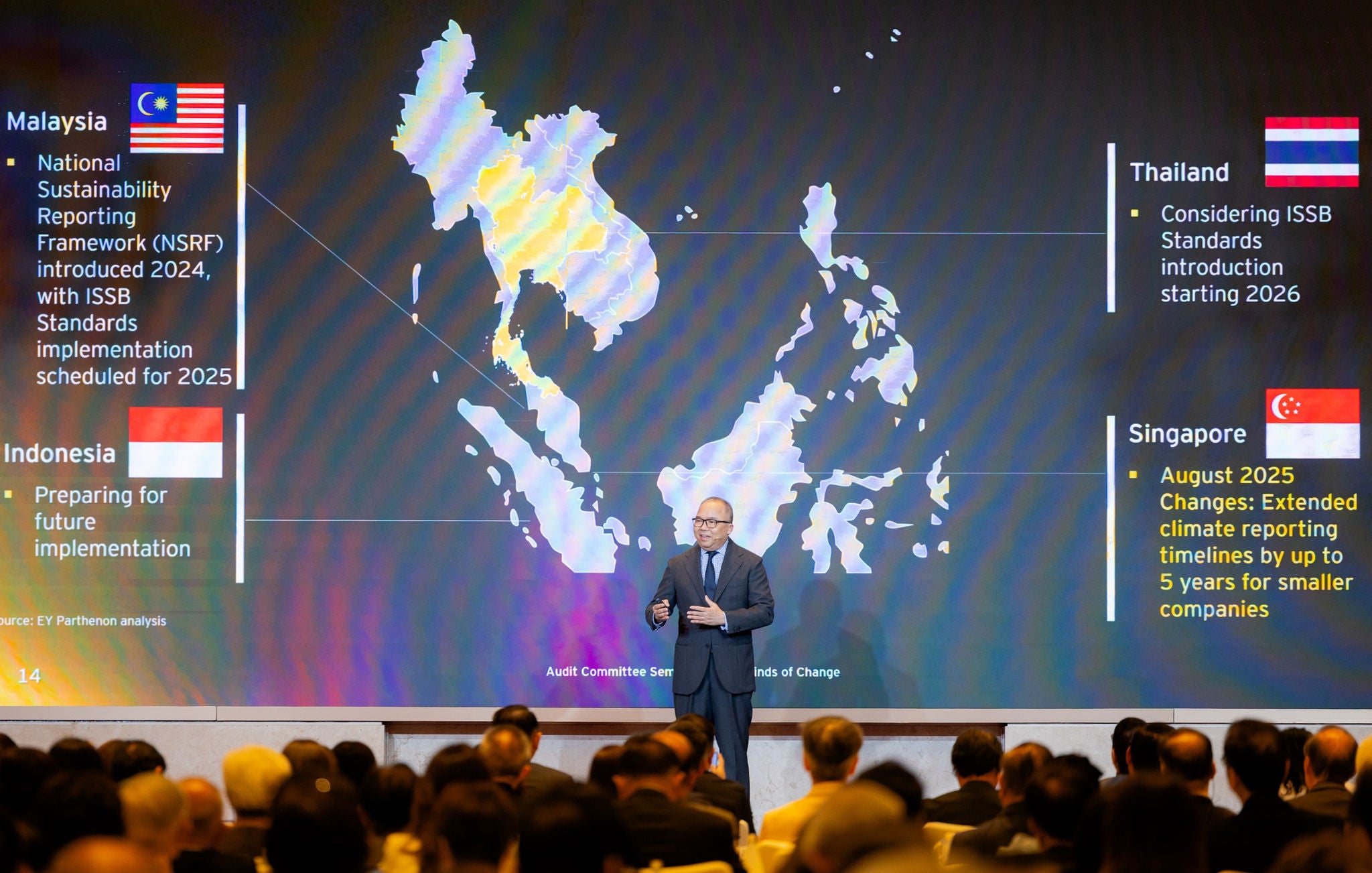
Chakkaphan Athapornmongkon, EY-Parthenon Partner, shared findings from a recent CEO Outlook Survey, revealing that most businesses have already adjusted their strategies over the past five years to mitigate the impacts of rising uncertainties. These adjustments have primarily focused on four key areas: 1. Geopolitics – slowing down investments or relocating manufacturing bases and sourcing locations to new markets; 2. Tax and Trade – focusing on domestic sourcing, exploring new markets and products, and reducing costs to maintain profit margins; 3. Technology – increasing investments in AI following positive results observed; and 4. M&A and Partnerships – Placing greater focus on the use of joint ventures. However, Chakkaphan emphasized that organizations must continue aligning their strategies with the evolving environment, while simultaneously managing and preparing for the risks arising from those strategic shifts.
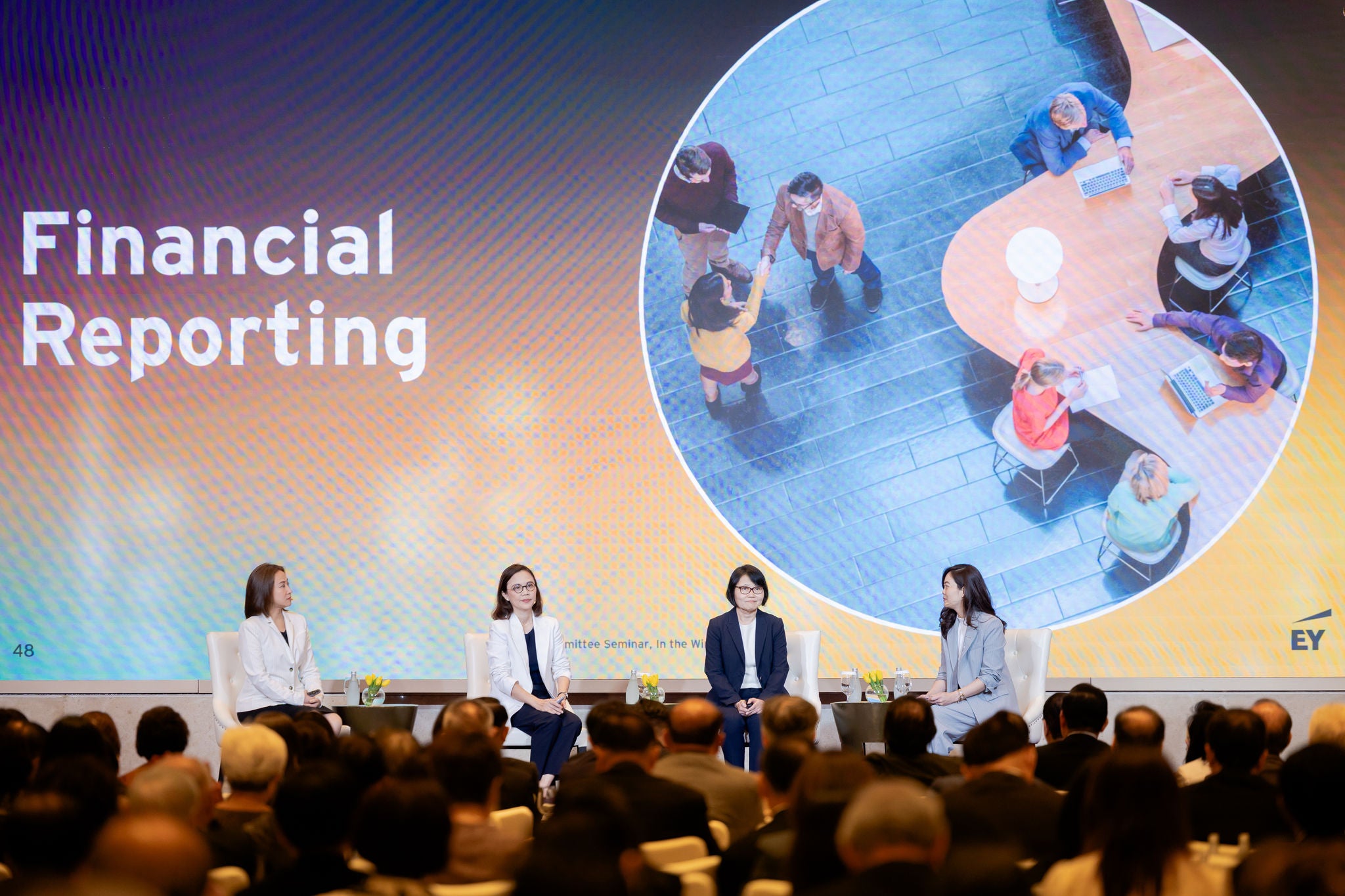
The seminar continued with a panel discussion “Time of current Uncertainties: How can Audit Committee cope with oversight with confidence”, led by Waraporn Prapasirikul, Partner and EY Thailand Assurance Leader, who discussed the ongoing changes in financial reporting, including the adoption of new accounting standards (such as TFRS 17, TFRS 18, and TFRS 19) and the requirements for sustainability disclosures (IFRS S1/S2 and ESG assessments by FTSE Russell). Waraporn further added that the current fragile and uncertain economic environment has made financial information increasingly complex. The financial statements of several listed companies have begun to include "Emphasis of Matters" in their auditor's reports, signaling significant issues to users of financial statements. Furthermore, she highlighted several areas requiring greater attention in financial oversight, including Fair Value Measurement, Non-recurring Items in Income Statements (Extraordinary Gains or Losses) and Going Concern, all of which stem from strategic changes and transactional decisions made under high uncertainty.
Meanwhile, Sumana Punpongsanon, Assurance Partner, pointed out that strategic adjustments made amid volatility have had a significant numerical impact on financial reports. Citing a survey from a study of SET100 companies, she noted that Non-recurring Items resulting from strategic or business structural adjustments ranged between billions and ten billions of Baht. In some cases, these special items had such a substantial impact that they changed a company’s performance status, for instance, from a loss to a profit or vice versa. Sumana emphasized that audit committees should thoroughly review the strategic rationale behind such non-recurring transactions to ensure they genuinely align with the company’s direction and create sustainable real value before addressing the related accounting issues. If a transaction is complex, it is advisable to consult with auditors immediately to ensure the accuracy of accounting entries and disclosures. Furthermore, closely monitoring global developments, accounting standards and technologies can significantly enhance the effectiveness of audit committee oversight.
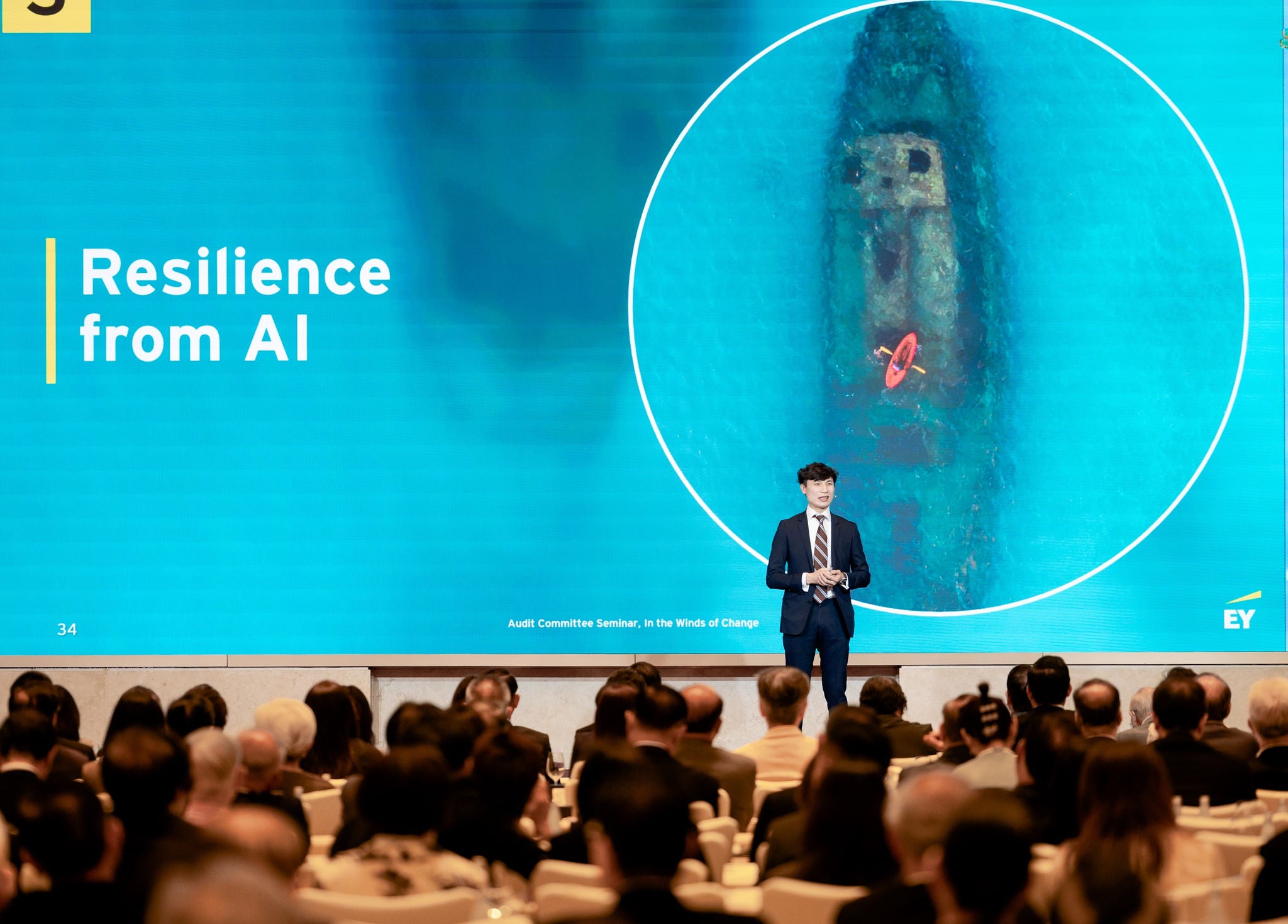
Pimwadee Phandhumkomol, Risk Consulting Partner, added that business risk management has become increasingly complex and constantly evolving. Global executives consistently rank cybersecurity as the top risk priority from now until 2029, while geopolitical risks, which are beyond an organization's control, continue to have a clear impact on supply chains and operating costs. Therefore, organizations should adopt a more proactive approach to risk management by integrating tools such as Scenario Analysis and Stress Testing, coupled with robust contingency plans. While AI technology serves as a key enabler for improving internal control efficiency, it introduces various risks, including data accuracy, security and intellectual property infringement. Thus, the Audit Committee should play a proactive role in driving AI Governance and supporting a comprehensive risk management framework across all areas, including IT Risk, Third-Party Risk, Data Governance and Market Conduct, to strengthen long-term business sustainability.
The seminar concluded with a special keynote address on the topic “The Geopolitical Outlook: Challenges and Opportunities” delivered by Assoc. Prof. Dr. Panitan Wattanayagorn, an expert in security and international affairs. He shared his analysis of the current global geopolitical landscape, noting that the world is entering a state of “Total War”, particularly characterized by the intensifying rivalry between a rising China and the United States, a dynamic that warrants close monitoring. This conflict manifests through trade and technology wars, which directly affect the economy, supply chains, and security across the Asia-Pacific region. Although Thailand is not directly involved in this conflict, the country remains reliant on regional cooperation frameworks, particularly under the Free and Open Indo-Pacific (FOIP) principle and must leverage ASEAN’s centrality to strengthen its stability. Therefore, Thailand’s opportunity in this context lies in maintaining its deterrent capability and accelerating the development of its technological capabilities and new industries to create a cohesive and resilient regional economic structure, one that can mitigate the impact of global tensions.
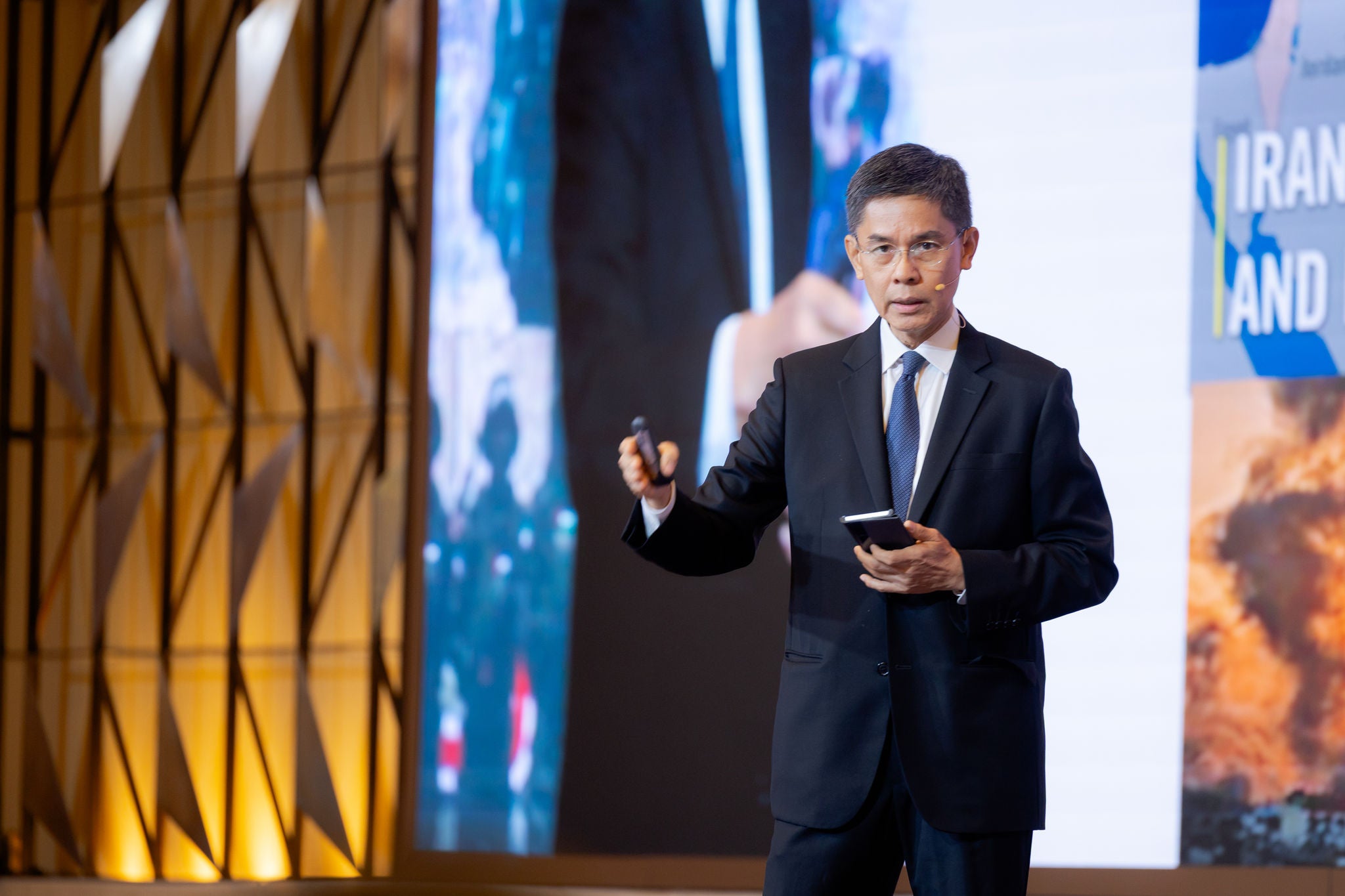
Towards the end of the seminar, Songdej Praditsmanont, Chairman, together with Kasem, summarized the key takeaways, emphasizing that in times when the winds of change blow with uncertainty, the critical strategic question is: “When the world changes, how will you adapt?” The appropriate response is not necessarily a sudden shift, but rather a systematic and strategic adaptation through establishing guidelines and planning that align with emerging risks and opportunities. This process requires leveraging insights gained from continuous monitoring and assessment of evolving circumstances. In fulfilling their corporate governance oversight role, Audit Committees should consistently pose probing questions and persist in raising observations until arriving at reasonable and credible conclusions. Such due diligence is fundamental to ensuring that their oversight is as comprehensive and maximally effective as possible.
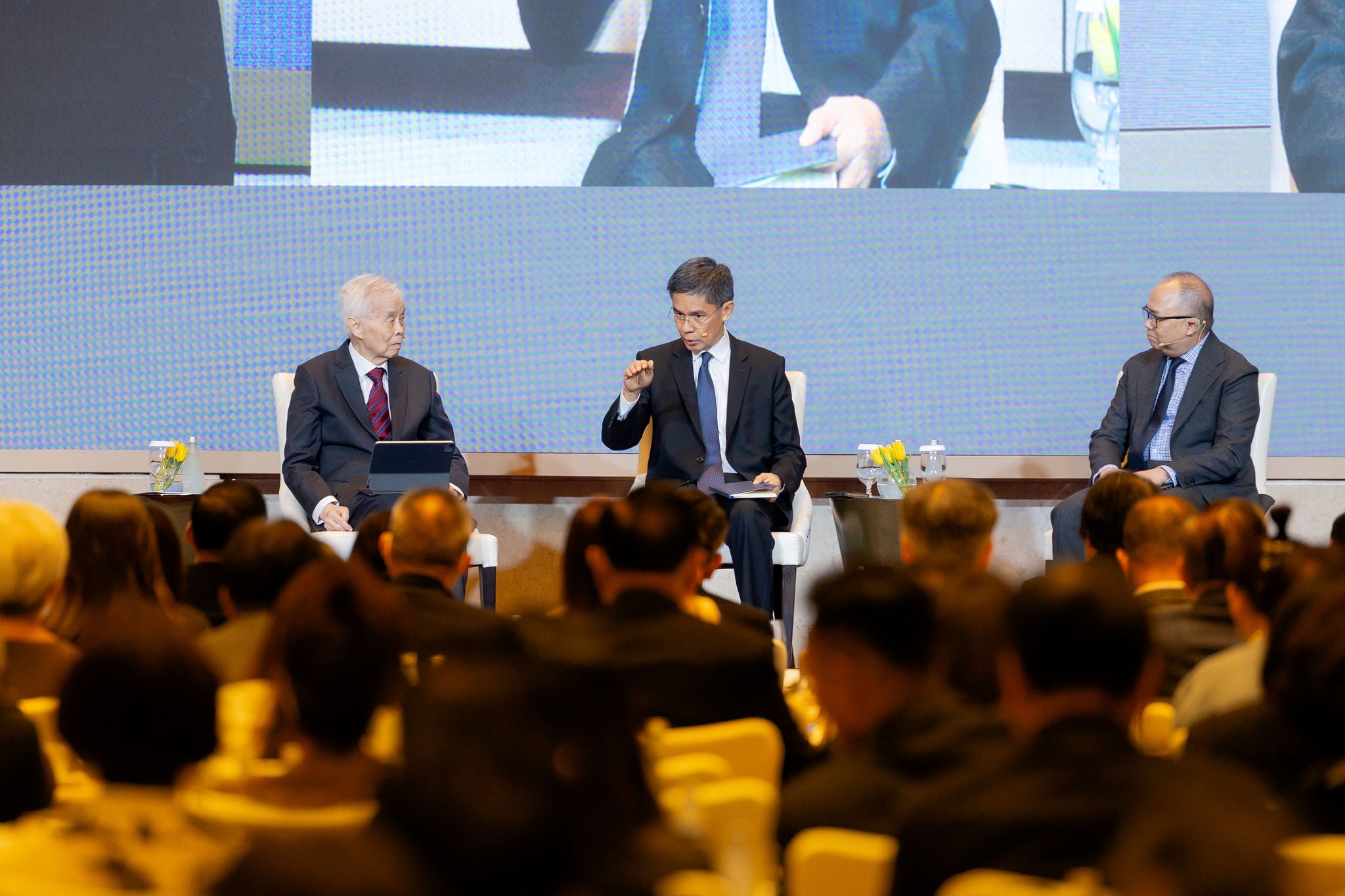
The EY 2025 Annual Audit Committee Seminar concluded with resounding success, far exceeding expectations. We were honored to welcome over 440 Audit Committees who participated in the event. On behalf of EY, we extend our sincere gratitude to all Audit Committee members for their attendance, trust, and continued support. We look forward to welcoming you all again in the future.
The Audit Committee Seminar is EY’s significant annual event, serving as a platform for the strategic exchange of perspectives among Audit Committee members and key stakeholders in corporate governance. The seminar aims to enhance the capabilities of Audit Committees, enabling them to perform their duties with maximum efficiency and keep pace with the risks in this era of change. In doing so, they can confidently adapt their corporate governance strategies build resilience, and drive their businesses forward with stability and sustainability.
-ends-
About EY
EY exists to build a better working world, helping create long-term value for clients, people and society and build trust in the capital markets.
Enabled by data and technology, diverse EY teams in over 150 countries provide trust through assurance and help clients grow, transform and operate.
Working across assurance, consulting, law, strategy, tax and transactions, EY teams ask better questions to find new answers for the complex issues facing our world today.
EY refers to the global organization, and may refer to one or more, of the member firms of Ernst & Young Global Limited, each of which is a separate legal entity. For more information about our organization, please visit ey.com.
This news release has been issued by EY Corporate Services Limited, a member of the global EY organization
APAC no. 15001630