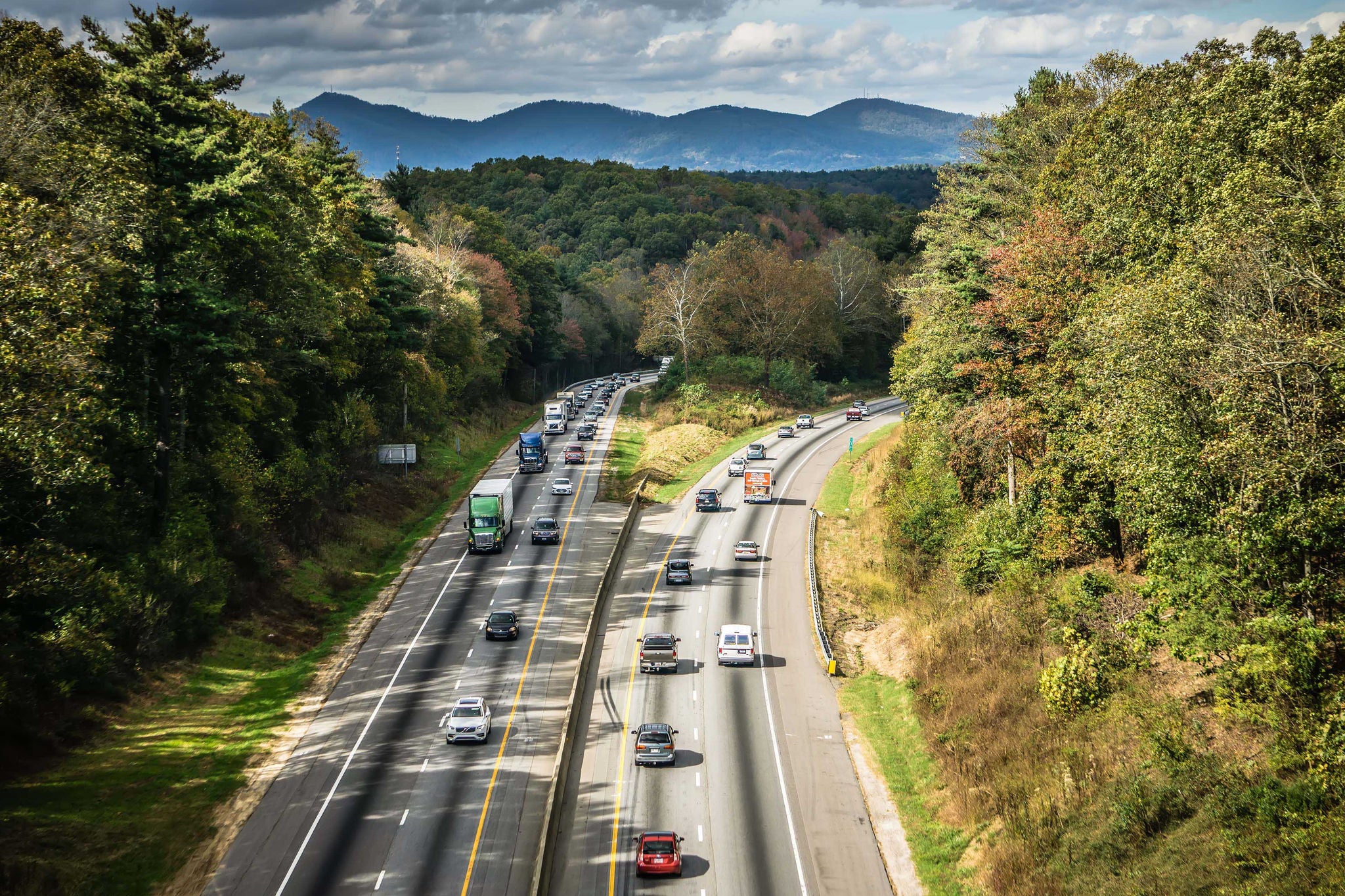
Aerial view of i-40 highway in north carolina from blue ridge parkway

Resilience is built before the storm

Lessons from Hurricane Helene for transportation leaders


Hurricane Helene underscored a reality facing transportation agencies across America: Resilience is not built during a disaster. It is built years beforehand through preparation, training, partnerships, technology investments and disciplined documentation. The experience in North Carolina offers valuable lessons for state departments of transportation (DOTs), local governments and infrastructure leaders preparing for increasingly frequent and severe weather events.

Resilience begins long before the storm

The public often sees disaster recovery through the lens of emergency response and reconstruction. In reality, the foundations of successful recovery are established long before a storm arrives. Agencies that invest in employee training, equipment readiness, emergency procedures and coordination protocols are more prepared than agencies that react. Smaller events provide opportunities to test systems and develop organizational muscle memory that becomes invaluable when a catastrophic event occurs.

The first priority is people

When Hurricane Helene impacted western North Carolina, transportation infrastructure, utilities and communications systems were disrupted simultaneously. During the immediate aftermath, protecting employees and the traveling public became the primary focus. In large-scale disasters, situational awareness is often difficult because communication systems may be unavailable. Organizations must be prepared to operate under those conditions while maintaining a relentless focus on safety.

Documentation drives recovery

Billions of dollars are spent responding to and rebuilding after major disasters. Federal reimbursement is essential, but reimbursement depends upon accurate and timely documentation. Photographs, material records, labor hours, contractor invoices and repair logs become critical components of funding recovery. Documentation should not be viewed as an administrative requirement. It is a core recovery function that begins on day one.

Relationships are a strategic asset

No agency responds to a disaster alone. Effective recovery requires coordination among transportation agencies, emergency management organizations, utility providers, contractors, local governments, FEMA, the Federal Highway Administration (FHWA) and many others. Trusted relationships established before a disaster accelerate decision-making during a crisis. Communication channels, points of contact and collaborative problem-solving frameworks must exist before they are needed.

Technology is changing the recovery model

Technology played an important role before, during and after Hurricane Helene. Predictive flood modeling helped identify areas at risk before impacts occurred. Drones provided rapid damage assessment where traditional aerial surveys were limited by weather conditions. Data-sharing platforms supported coordination among agencies and utility providers. Machine learning tools helped process large volumes of invoices and documentation, improving efficiency and helping enhance timely vendor payments.

The value of strategic partnerships

Many public sector organizations face staffing challenges and rising workloads. During disaster recovery, existing personnel must balance emergency responsibilities with normal operational demands. Strategic partnerships with consultants, contractors and technical specialists provide surge capacity and subject matter-expertise. These partnerships enable agencies to maintain operations while accelerating recovery efforts.

A blueprint for future preparedness

Transportation agencies should focus on five priorities: train personnel continuously, build strong interagency relationships, invest in technology, establish documentation protocols and develop scalable resource strategies. Agencies that perform well during disasters are typically those that prepared well before disaster struck.

Summary 

The lesson from Hurricane Helene is clear. Resilience is not a response strategy. It is a leadership strategy. As infrastructure systems face growing pressures from extreme weather and other disruptions, transportation leaders must move beyond reactive approaches and embrace proactive preparedness. The investments made before the next storm will determine the effectiveness of the response when it arrives.

About this article

Related articles

How workforce constraints are reshaping engineering and construction

The EY Engineering & Construction POV reveals how talent shortages, not funding, limit project success. Explore ideas to build lasting workforce capacity.

How agentic AI can create an intelligence layer for infrastructure

Agentic AI can transform infrastructure delivery. The intelligence layer can connect siloed data to better inform decisions and human judgment. Learn more.

At a crossroads: Redefining transportation funding in an era of growing needs and receding motor fuels tax

Governments need to be flexible and forward-thinking in how they reform transportation funding that can meet needs of projects for decades to come.