


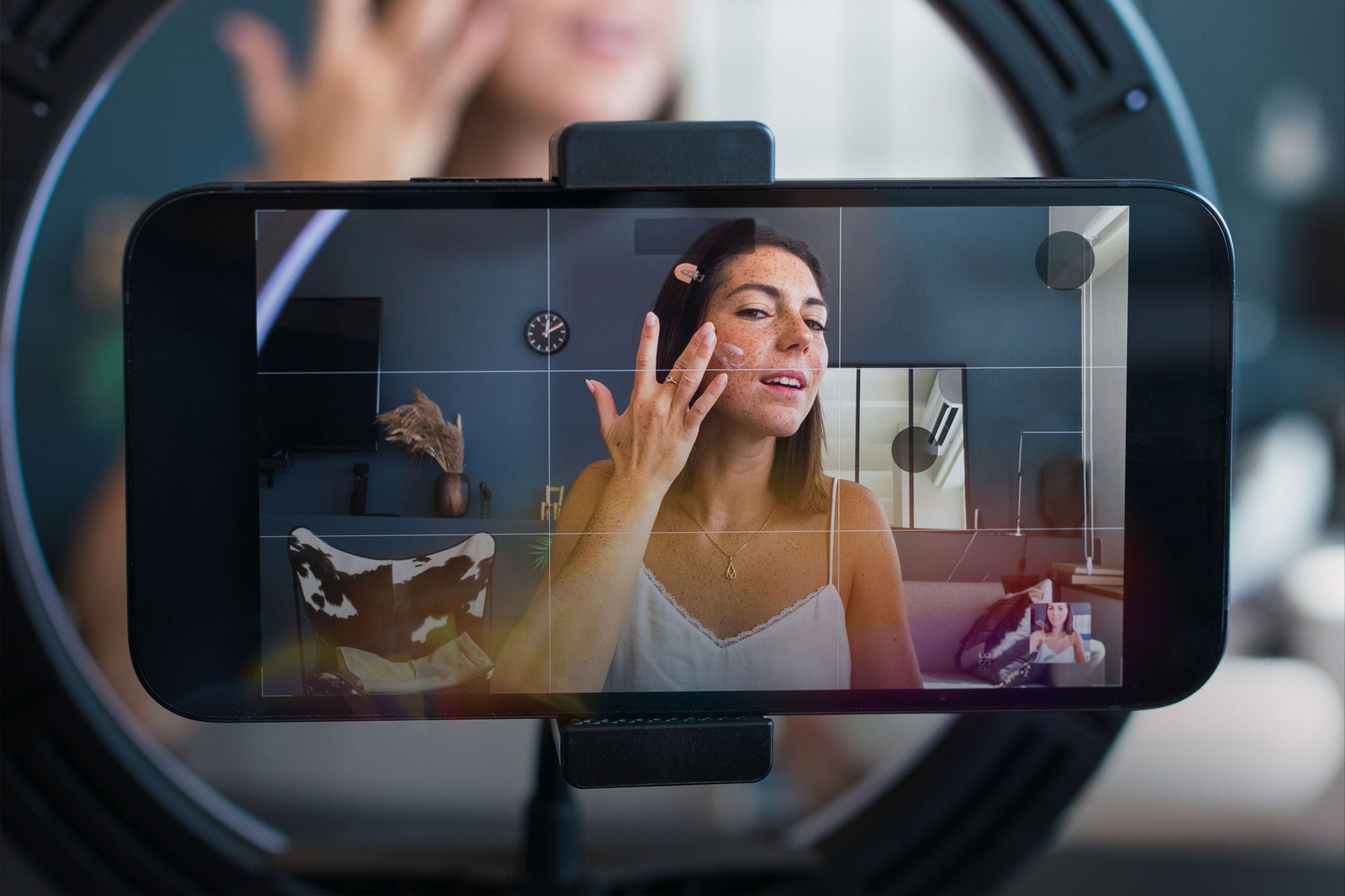

woman using consumer product skincare

Beauty in 2026: what investors will value and what leaders must know

Related topics

As the beauty industry enters its post-loyalty era, these key strategies can help brands meet investor expectations and thrive.


In brief
  • The beauty industry is shifting focus from rapid growth to sustainable value as investors prioritize durability over brand narratives.
  • Key trends for 2026 include the merging of beauty and wellness, the rise of personalized consumer experiences, and a renewed emphasis on true innovation.
  • Trust and transparency will be crucial for brands as consumer loyalty grows increasingly fragile in a competitive and discerning market.

After a decade characterized by rapid growth, abundant capital, and brand-first storytelling, the beauty and health sector has entered a period of strategic recalibration. For executive teams, 2026 will not be about chasing momentum — it will be about proving durability.
 

Seeing that a sizeable chunk of the investments made during the industry’s growth era are now underwater, investors are changing their criteria for opportunities. As consumer priorities shift, investors are looking beyond marketing narratives to find value in longevity and staying power. In an environment where loyalty is increasingly elusive, strategic optionality — whether organic growth, partnerships or M&A — will depend on fundamentals that were often secondary during the boom years.
 

For executives, the message is clear: the next phase of value creation will reward precision, proof and performance.

From brand power to product strength: the new investor lens

The investment environment of 2020–2023 was defined by exponential sector growth and historically cheap capital, where compelling narratives could travel further than the underlying business fundamentals. But a significant number of narrative-driven investments from that period fizzled out. Now, investors enter 2026 with far more exacting criteria for providing funding.
 

Rebalancing from brand-led to product-led value creation is underway. Investors want to back products that can stand on their own, without support from marketing narratives, influencer reach, or short-term demand spikes. As investors aggressively seek longevity, isolated instances of virality are no longer benchmarks for success.
 

Alongside product differentiation, economic clarity has become nonnegotiable. Rising customer costs, increasing competition, and margin pressure in e-commerce are prompting investors to interrogate true unit economics across channels far more rigorously. Growth alone can’t compel investors. Unless they see growth creating a path to sustainable profitability, they keep their guard up.
 

Finally, relevance has become harder to sustain, with social media platforms becoming engines of education and discovery instead of functioning as pure inspiration. As a result, consumer loyalty is more fragile and tenuous than ever before. Brands that cannot continuously engage audiences will struggle to maintain momentum.
 

Heading into 2026, investors will continue to prioritize:

  • Results-driven, science-backed products with differentiated formulations and, increasingly, clinical validation
  • Authentic brand equity built through community, trust and credibility
  • The ability to scale beyond digital-first distribution models
  • Demonstrated scale and operational maturity
  • Visible momentum: consistent double-digit growth, high-quality KPIs across e-commerce and retail, and an attractive margin profile

Three structural trends shaping 2026

Macroeconomic and consumer-driven shifts will determine which enterprises have competitive advantage over the next 24 months.

A measured — but healthier — growth outlook

Looking ahead to 2026, the beauty industry is expected to deliver mid-single-digit growth, broadly consistent with 2025 and long-term pre-pandemic trends. Importantly, this growth will be supported by a healthier mix of price and unit expansion across both Mass and Prestige segments.

Amid ongoing macro uncertainty and rising expectations around performance, masstige stands out as a key growth opportunity as consumers seek the sweet spot between value and efficacy.

At the category level:

  • Fragrance looks to remain a growth contributor, albeit at more moderate levels after several exceptional years
  • Haircare continues to benefit from strong secular tailwinds, with “skinification” driving engagement and premiumization
  • Skincare appears poised for reacceleration, fueled by innovation and scientific advancement
  • Cosmetics is stabilizing, with potential upside as personalization and product newness return to the forefront

M&A returns — with greater selectivity

Deal activity is expected to grow in 2026. Momentum from 2025 should carry forward, supported by a more active strategic buyer base, renewed participation from sponsors seeking liquidity, and private equity’s need to deploy capital.

Several dynamics will underpin this resurgence:

  • The return of strategic acquirers that paused activity during restructuring or leadership transitions
  • Increased pressure for monetization across private equity portfolios
  • Sponsors stepping in where strategic appetite is limited

Skincare and haircare remain the most attractive segments from an M&A perspective, reflecting both growth prospects and proven exit pathways. Fragrance, while currently leading growth, faces ongoing questions around sustainability and exit visibility. Cosmetics continues to produce impressive newcomers, but persistent concerns around differentiation and muted M&A activity weigh on investor conviction.

A more favorable macro environment — including falling costs of capital, narrowing valuation gaps, and a more business-friendly regulatory backdrop — further supports dealmaking.

Consumer trust is the most valuable currency

Beauty and health brands that combine transparency, science-backed claims, and authentic engagement into a compelling and credible value proposition will win in 2026. In a more selective investment environment — and a more discerning consumer landscape — trust is what converts innovation into loyalty and growth into enduring value.

For leaders, the challenge is no longer how fast you can grow, but proving that your growth will last.

Summary 

In 2026, the beauty and health industry needs a critical reassessment of its strategies. As competition and economic pressures continue rising, investors will prioritize sustainable profitability. In this environment, brand-centric narratives take a backseat to products with clear intrinsic value and long-term viability. Key trends include the merging of beauty and wellness, heightened consumer expectations for personalized solutions, and a resurgence of innovation. Beauty is projected to experience moderate growth, with an uptick in mergers and acquisitions, particularly in skincare and haircare. Moving forward, trust and transparency are essential for the long-term success of brands.

Seb Barbero, SVP Consumer & Retail M&A, and Nigel Bell, Head of Consumer & Retail M&A, contributed to this article.

About this article