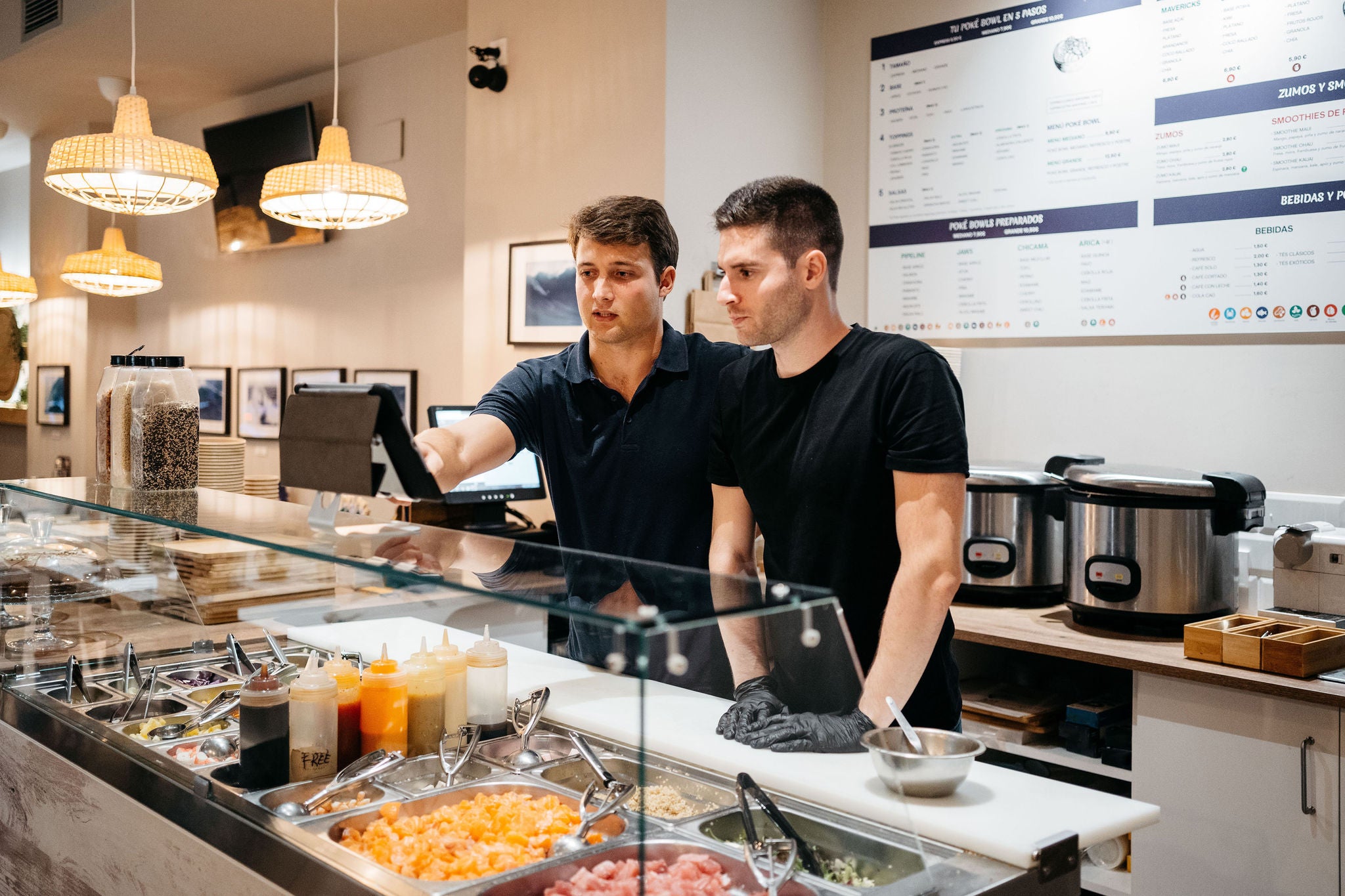
Two male restaurant owners looking over online orders

How restaurants can win share of wallet through convergence

Leading restaurants are rethinking formats, tech, and partnerships to drive growth and defend wallet share in a converging market.


In brief
  • Convergence is blurring boundaries across QSR, FSR, grocery, and convenience.
  • Emerging tech can enhance efficiency while elevating hospitality and service.
  • Small shifts in visit frequency or spend can unlock major revenue growth.

Restaurant convergence: Winning the battle for share of wallet

How do restaurants leverage emerging technologies and reimagine business models to broaden their competitive landscape and capture a higher share of consumer wallet in a NAVI environment?

Convergence is reshaping competition in a NAVI environment

Convergence in the restaurant sector is nothing new. Restaurants have seen competition from inside the sector through hybrid formats such as casual dining, as well as from outside the sector as grocery retailers, convenience stores and delivery platforms have expanded their offerings.

But this trend is now accelerating as global businesses find themselves in an increasingly NAVI (nonlinear, ambiguous, volatile and uncertain) landscape, to which the restaurant sector is no exception. Economic headwinds and shifting consumer expectations are creating turbulence and the influx of new entrants from adjacent sectors is increasing the competitive nature of rapidly blurring sector, channel and category boundaries.

Traditionally, full-service restaurants (FSRs) and quick-service restaurants (QSRs) operated in different lanes. FSRs offered table service, alcohol and longer dwell times; QSRs optimized speed, convenience and affordability. But today, these divisions are becoming indistinct — inside the restaurant sector and beyond.

The result is a new wave of competitive intensity. What was once seen as restaurant vs. restaurant has become a battle for time, attention and share of wallet spanning multiple sectors.

FSR and QSR lines are blurring

FSRs and QSRs have historically served different occasions. Yet promotions, inflationary pressures and shifting consumer expectations are drawing them closer:

  • FSRs are moving downmarket with aggressive promotions such as Chili’s $10.99 three-course meal and Applebee’s “2 for $20” offer. These are deployed almost as loss leaders to attract footfall by matching QSR price points. Their value to FSRs comes from monetizing the cross-selling of higher-margin items like alcohol and upselling family bundles to lift the average check size per visit.
  • QSRs are moving upmarket with higher-quality menus and service upgrades such as Chick-fil-A’s consistently high service ratings and Shake Shack’s premium positioning that blurs the line between QSR and casual dining.

This means that, as distinctions between QSRs and FSRs recede, consumers are making decisions based on value for occasion — not format, intensifying the battle for wallet share within the sector.

Sector adjacencies are redefining competition

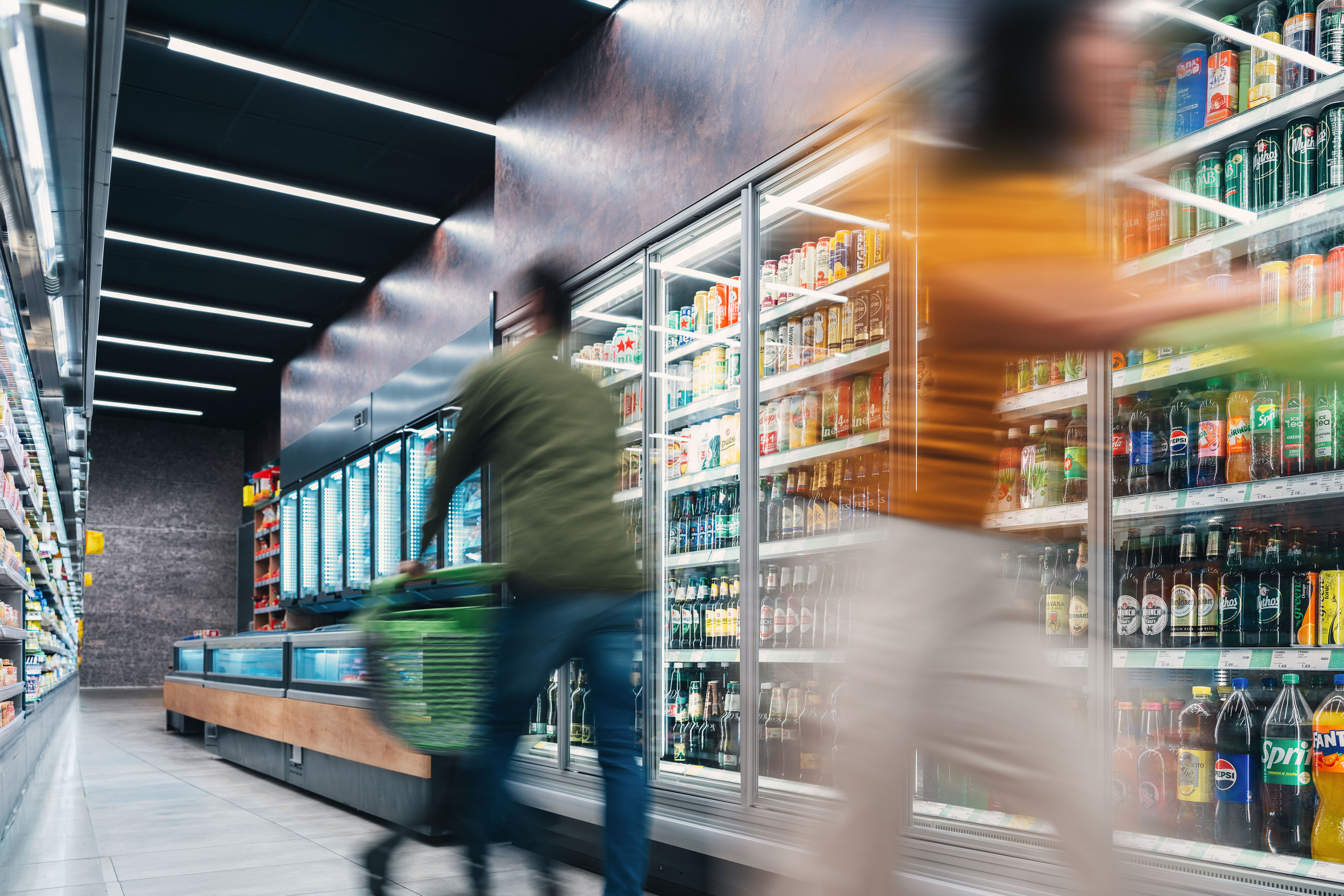
Competition in the sector is no longer purely defined as restaurant vs. restaurant. Convenience stores, travel centers and grocery formats are also offering meal occasions to win their own share of wallet. These formats offer convenience and bundled services to extend dwell times in-store and embed themselves more deeply into consumer routines.

  • Restaurants face rivals like Buc-ee’s, whose travel centers drive dwell times of around 30 minutes compared with roughly six minutes at most QSRs.
  • 7-Eleven Japan generates over 30% of its sales from prepared meals, positioning itself directly against QSRs while offering the convenience of grocery and meal in one stop.


This external convergence means restaurants are no longer just fighting each other but entire ecosystems of convenience and relevance.


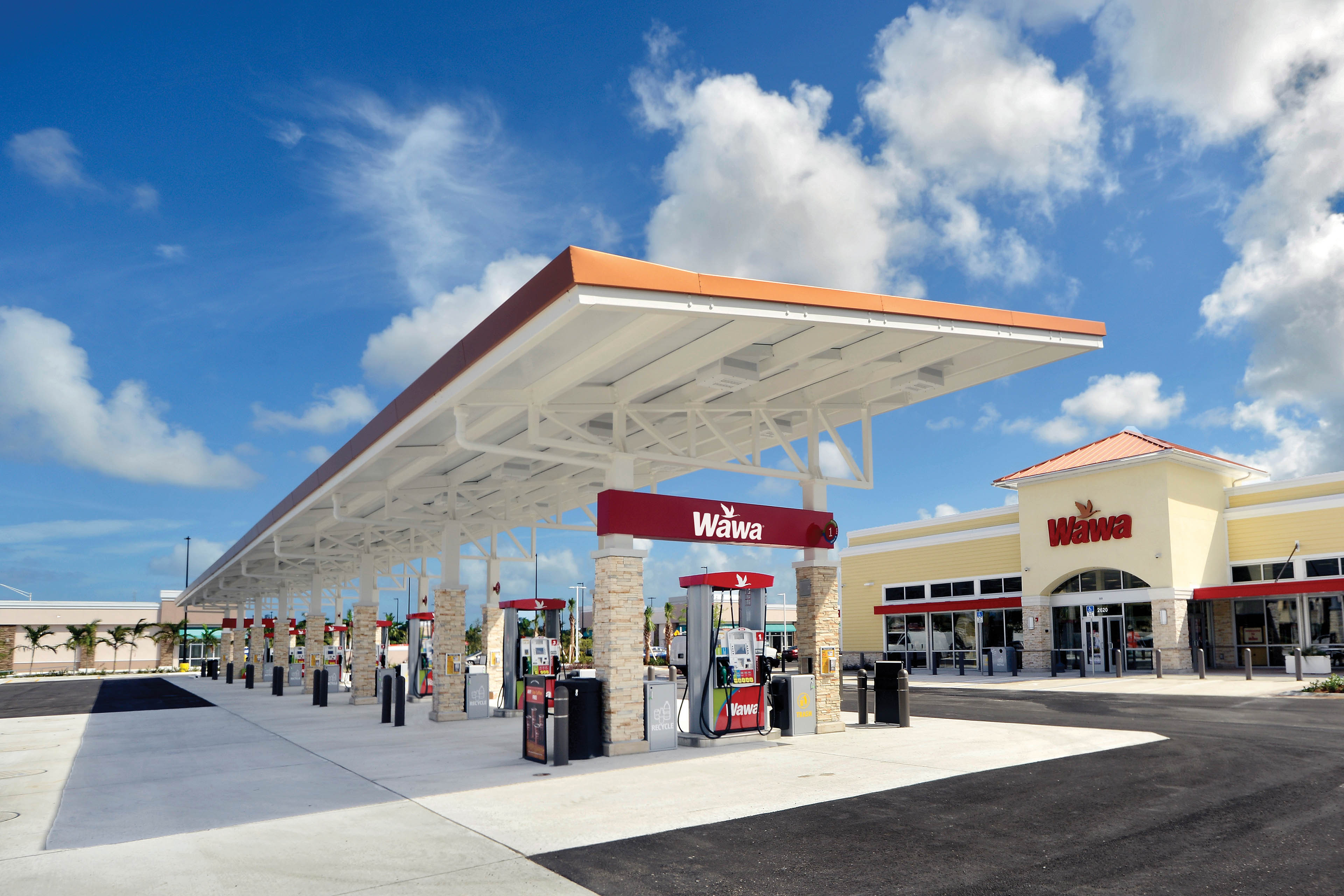
The implications are restaurants must reimagine formats, creating spaces that integrate food, retail and services while elevating ambiance, comfort and the overall consumer experience. They must also explore nontraditional partnerships, such as Wawa with Tesla superchargers or Applegreen with M&S Food, that extend relevance and capture new consumer occasions. They also need to rethink vertical distribution — from packaged goods to nontraditional retail placements — to extend reach and counter convergence.

Convenience through technology and experience through hospitality

Consumers are increasingly seeing the convenience that technologies such as AI and GenAI can bring. Mobile ordering, predictive personalization, AI-enabled drive-throughs and in-store kiosks all remove friction from the customer journey. However, as automated self-service solutions become ubiquitous, many consumers feel that the burden of efficiency has shifted back onto them at times when they may want to slow down and be served in a more engaging way. This underscores a key tension: how can restaurants optimize technology to deliver speed and convenience without compromising the human connection and hospitality that consumers deeply value?

Restaurants can focus automation to span back of house, front of house and point of sale operations by enhancing digital ordering. But critically, these technologies must be integrated in a way that augments the human-centered aspects of dining by freeing employees to focus on hospitality. The future will require a thoughtful rebalancing of roles between AI and employees. Automation can handle repetitive tasks and help people to do their jobs better, but talent will need to focus its efforts on delivering the empathy, service and ambiance that consumers still value.

FSRs are leaning into this: table service coupled with competitive pricing has become a differentiator. Starbucks’ plans to redesign over 1,000 US stores with enhanced ambiance and seating indicate that comfort and hospitality remain enduring sources of success. QSRs have an opportunity to rethink where and how they deploy emerging AI-driven technologies. Should more of this be back of house so there is still an opportunity to provide hospitality to consumers?

The multiplier effect of frequency and average spend

Underpinning the battle for share of wallet is the need to deliver small behavioral shifts that can have a big impact. Even an additional one or two incremental visits per consumer per year or a 1–2% lift in average check size can generate significant additional revenue, which is why many operators are actively pursuing frequency growth strategies through loyalty programs, menu design and digital nudges.

For example, a QSR chain with 2,000 restaurants, 1,000 daily consumers per location and a $10 average check (estimated $7.3 billion annual revenue) can see:

  • $365 million in extra revenue from one incremental visit per consumer year
  • $146 million in extra revenue from a 2% lift in average check size

This combines to over $500 million in additional sales from a small change in customer behavior, without the need to add a single new restaurant.

Multiplier effects like this illustrate why convergence matters and if restaurants cannot secure these incremental occasions, competitors from within and outside the sector will.

The implication for leaders is that capturing these incremental visits and higher check sizes requires activating levers such as employee training for cross-sell and upsell, loyalty program upgrades and sharper digital nudges.

Looking ahead

Convergence — both internal and external — is no longer a trend on the horizon. Instead, it is reshaping global behaviors, expectations and competitive intensity today. As it moves further along the spectrum in the coming years, the restaurant sector will not only see competitive threats from new players but will also have further opportunities to expand its core offering beyond food service.

A critical factor for restaurant leaders to consider will be how they balance the need to act like restaurants with the need to harness technology and partnerships to build and behave like an ecosystem. Core values of hospitality and human engagement should not be lost but can support the acceleration into new categories and opportunities that a technology-led ecosystem can deliver.


We welcome ongoing dialogue on this topic and would be glad to engage further with those exploring these challenges and opportunities.

Mohan Sivaramakrishnan contributed to this article.

Summary 

The restaurant industry is rapidly evolving as technology, new business models, and sector convergence reshape competition. Operators are rethinking formats, partnerships, and customer engagement strategies to capture a greater share of consumer spending in a dynamic market.

About this article

Related articles

Why retail success is more about lifecycle than location

Optimizing store lifecycle management can deliver efficiencies and maximum value.

How Wawa is catering to customers with new convenient offerings

Wawa implements new technologies, keeping customers at the center of its offerings. Learn more in this case study.