Business professionals ascend a modern staircase

Five actions to enhance shareholder value in M&A deals

To spur value creation and shareholder returns, companies should align their enterprise strategy with M&A efforts and data-driven planning.


In brief
  • To enhance value creation and TSR, businesses should align their enterprise strategy with their M&A approach, addressing disconnects within the organization.
  • Key actions involve a strategic game plan, data-driven capital allocation, AI leverage, deal team expertise and early communication of the deal thesis.
  • By taking these steps, companies can effectively execute their M&A initiatives and achieve their enterprise goals.

Leading businesses that are ready to pursue merger and acquisition (M&A) transactions can achieve long-term growth despite shifting headwinds. However, to escalate value creation and total shareholder return (TSR), businesses may need to fundamentally change the trajectory of their enterprise strategy.

Enterprise strategy shapes a company’s M&A approach


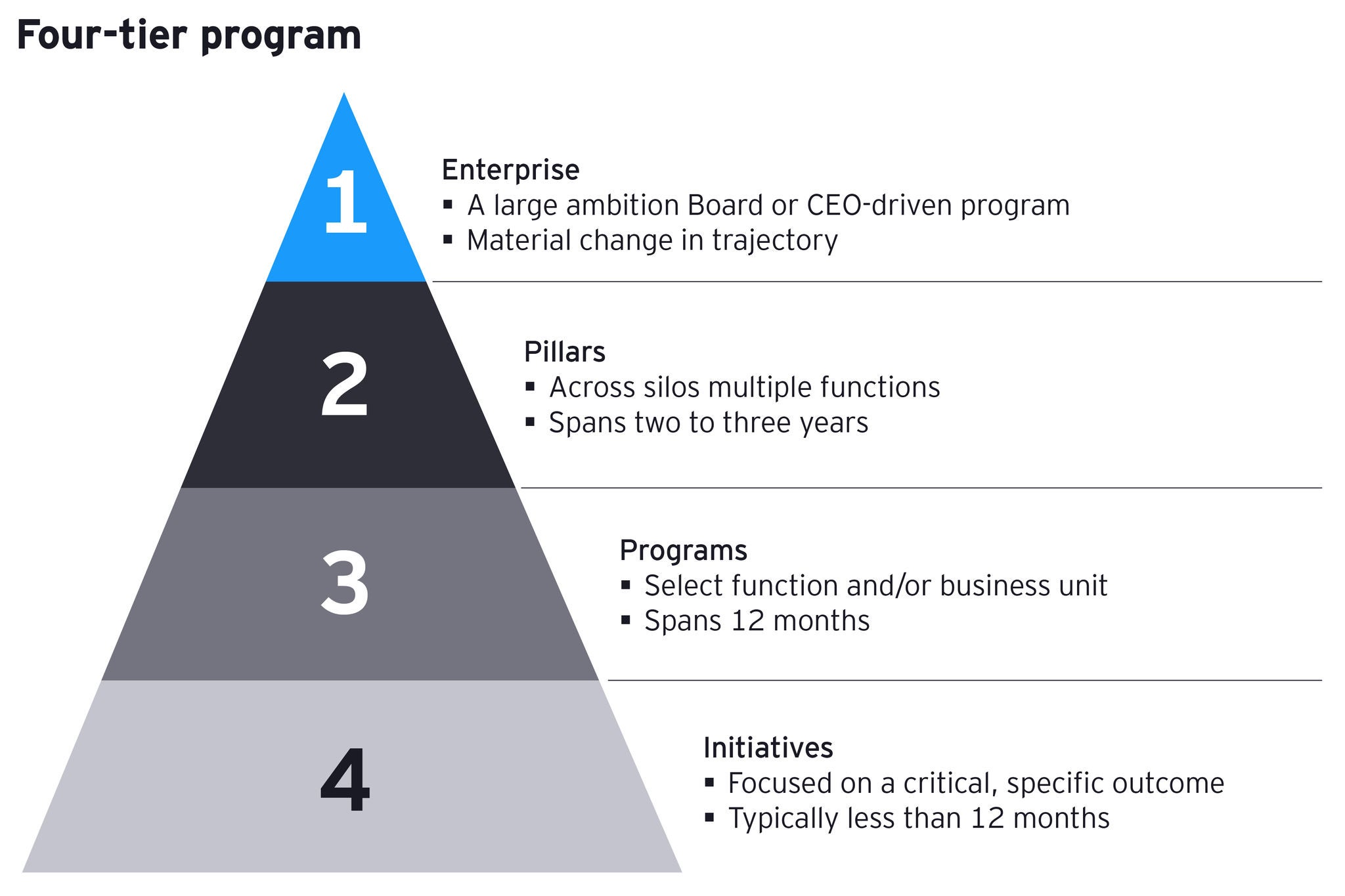
Business school teaches the fundamentals of strategy. The CEO and the board lead enterprise strategy to achieve significant change, using various pillars, programs and initiatives to drive TSR. Yet we still hear about frequent disconnects from the enterprise strategy up, down and across organizations.

M and A deals 5 actions chart 4

Source: EY-Parthenon analysis


Our work on thousands of M&A deals reveals five actions that deal teams can take to improve their outcomes:

  1. Create a strong, strategic game plan.
  2. Allocate capital based on the enterprise strategy, backed up by data.
  3. Use artificial intelligence (AI) for competitive advantage.
  4. Tap the deal team’s knowledge.
  5. Communicate the deal thesis early.

Action 1: Get your strategic game plan on. 

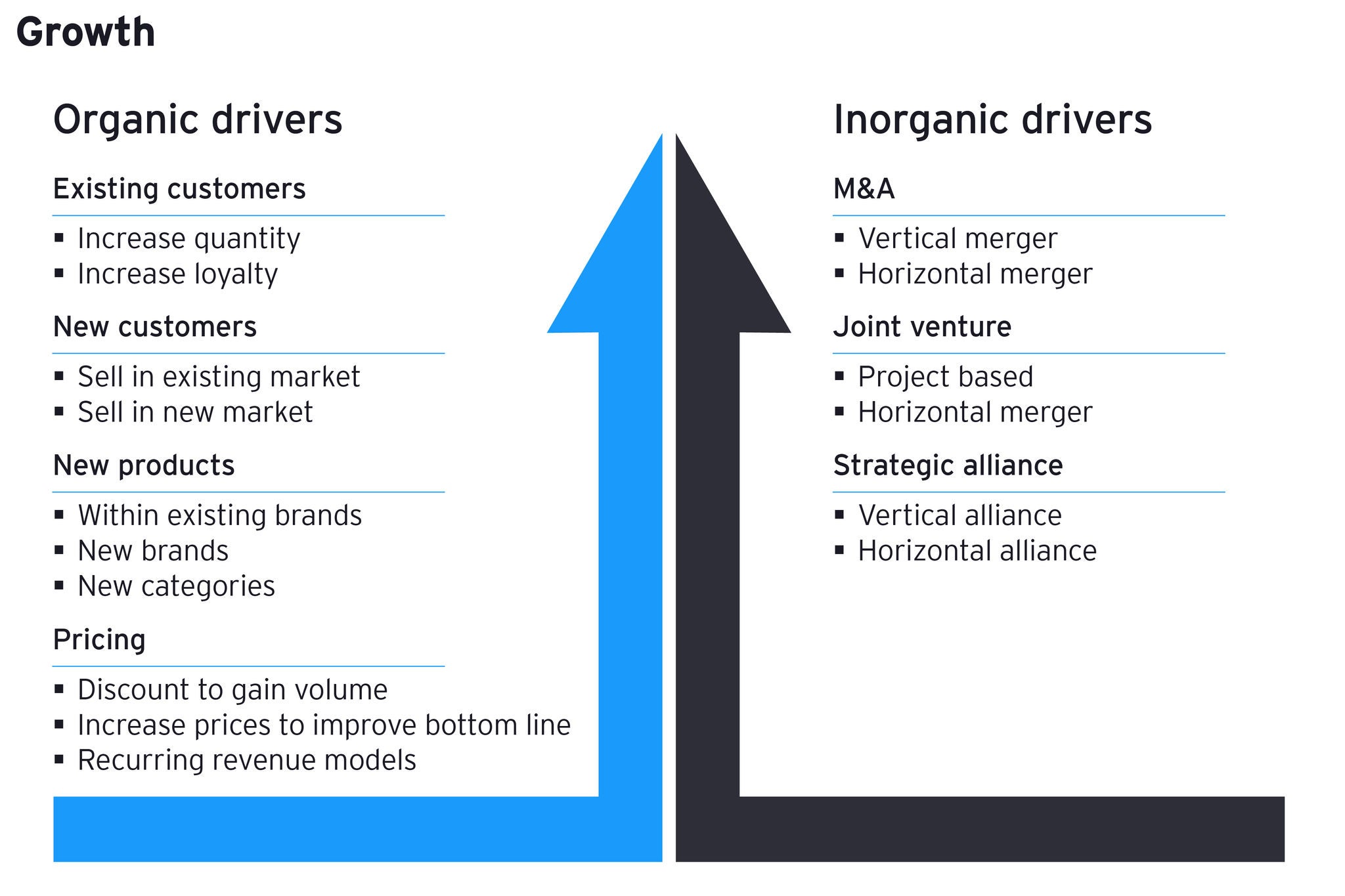
Industry-leading strategy and business teams constantly have their fingers on the pulse of their growth drivers. They prepare for each year with a plan to capture growth through organic means, such as new products and new and existing customers, and inorganic means, including M&A, joint ventures and strategic alliances. This strategic plan informs most M&A decisions and can help break any deadlocked decisions when opportune deals land on the corporate development team’s desks.

M and A deals 5 actions chart 2

Source: EY-Parthenon analysis


Capital allocation 

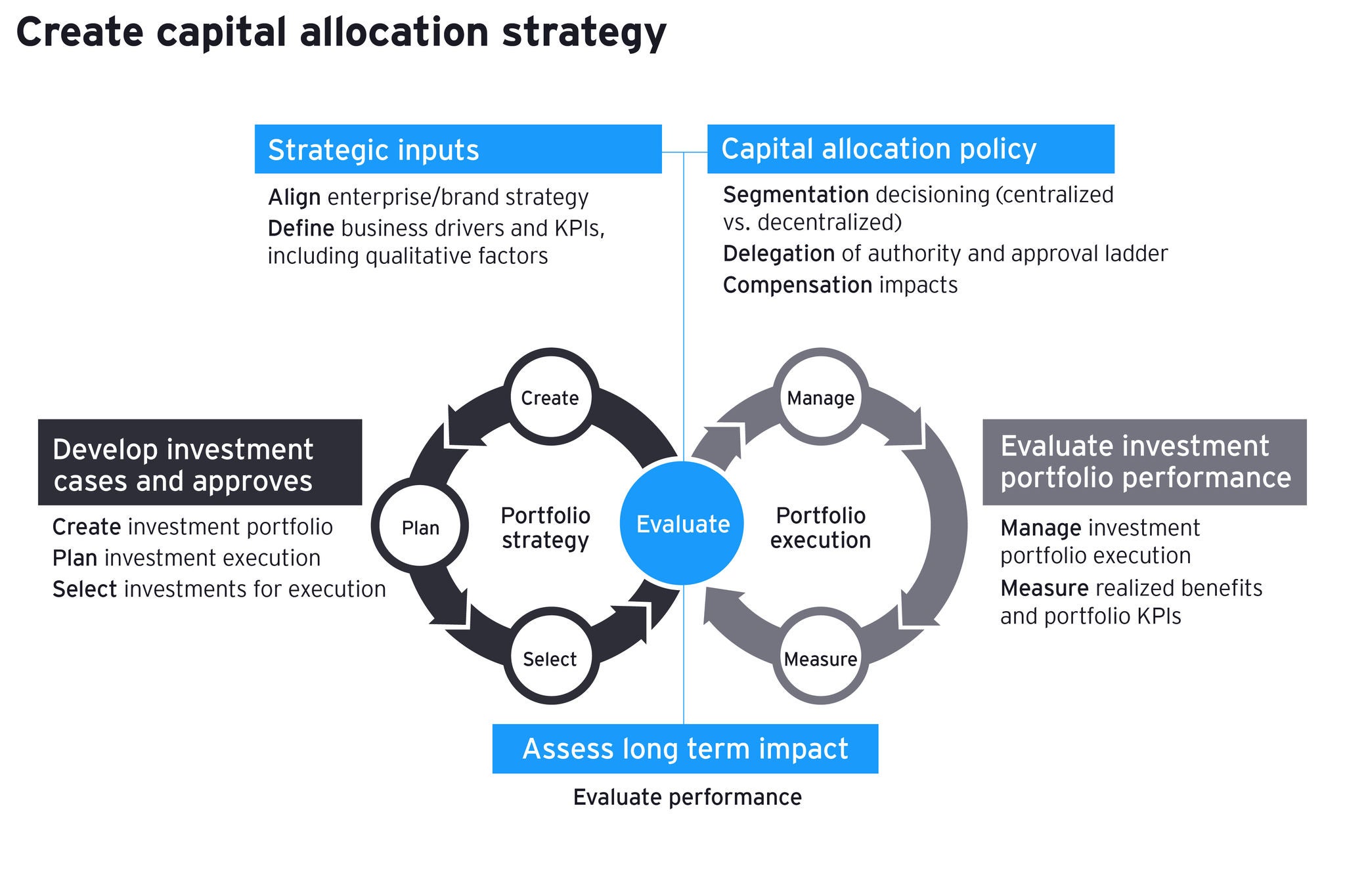
Many companies are capable of developing their strategy, and numerous business units are competent at creating investment cases for their programs and initiatives. However, these companies may still experience challenges when linking strategies and opportunities together. An effective capital allocation strategy incorporates the enterprise strategy and helps decision-makers plan, select, manage and evaluate investment opportunities.

Action 2: Allocate capital based on the enterprise strategy, backed up by data. 

Within the context of M&A, this means having a fact-based and data-driven approach to the volume, type and focus areas (market, product, geography) for your planned deals within a given time frame. Opportunistic transactions will pop up, and when they do, decision-makers can prioritize deals with a balanced scorecard of financial metrics, such as capital requested, return on invested capital (ROIC), internal rate of return (IRR) and revenue, as well as nonfinancial factors, such as strategic importance, customer satisfaction and business continuity risk.

M and A deals 5 actions char 3

Source: EY-Parthenon analysis


Deal sourcing

Effective acquirers constantly develop and refresh a strong pipeline of targets through various means.

Yes, it helps to have strong relationships with investment banks that know your sector and know which assets are on the market. But your organization’s business leaders know the business best. The business unit presidents of effective serial acquirers identify early potential targets and use their relationships to bring the opportunities to corporate development. 

Action 3: Use AI to get a leg up.

To stay competitive and enhance acquisition potential, leading deal teams are increasingly turning to AI as a strategic tool to enhance their deal sourcing and improve efficiency and effectiveness. Specifically, AI can:

  • Analyze market trends
  • Identify promising targets
  • Forecast outcomes
  • Map relationships
  • Assess sentiment
  • Provide automated alerts
  • Streamline due diligence
  • Facilitate collaboration

Companies can use AI tools, such as EY Competitive Edge, to accomplish these tasks.

Action 4: Tap into deal team expertise.

Deals can commence in various contexts, such as market expansion, technology acquisition or strategic partnerships. To develop transaction strategy, use the brain trust of the deal team and advisors to navigate the complex journey, from initial target communication through valuation, negotiation and final bid. No detail is too miniscule with sequencing, planning offers and counteroffers, and aligning roles and responsibilities. These tactics help streamline the process and limit resistance, contributing significantly to the success of the deal.

Preliminary analysis

While valuation, business modeling and benchmarking are fundamental, business leaders can not overlook their importance. The preliminary analysis is critical in verifying the contemplated deal will lead to the value creation and TSR that the enterprise strategy is designed to achieve. In addition to effective analysis rooted in data — and not in the emotions of any executives who might want the deal to happen — this early stage is when integration leaders can be brought into the fold.

Action 5: Communicate the deal thesis early.

Clearly documenting the investment thesis, value drivers, integration strategy and resourcing is a leading practice that can help expedite the subsequent phases of the deal journey after a letter of intent is signed, diligence commences, transaction documents are signed, and the deal is closed.

By taking these strategic actions early in the deal lifecycle, companies can confidently execute their M&A strategies and their enterprise strategy, enabling value creation and increased TSR. The companies that wait to act risk missing out on time to realize value and eroding the deal value post-close.


Summary 

To augment shareholder value in M&A, it’s critical for organizations to synchronize their corporate strategy with M&A activities and adopt data-informed planning. Essential steps involve crafting a strategic roadmap, distributing resources in alignment with the business strategy, leveraging AI for a competitive edge, using deal team expertise and facilitating early communication of the investment thesis. By concentrating on these approaches, companies can foster value generation and TSR, successfully implementing their M&A strategies and fulfilling their broader objectives.

About this article

Authors

Related articles

How an M&A clean room strategy can accelerate transactions synergies

Discover how an M&A clean room strategy enhances transaction synergies, ensuring compliance, security, and faster integration.

M&A stress test: Are you prepared for the next big deal?

Prepare for successful M&A with the EY-Parthenon M&A Stress Test. Learn how to maximize deal value and avoid pitfalls.

How boards support transactions in an unpredictable deal market

Find out what roles boards are playing in oversight of transactions in an unpredictable deal market.

Robyn Bew + 2