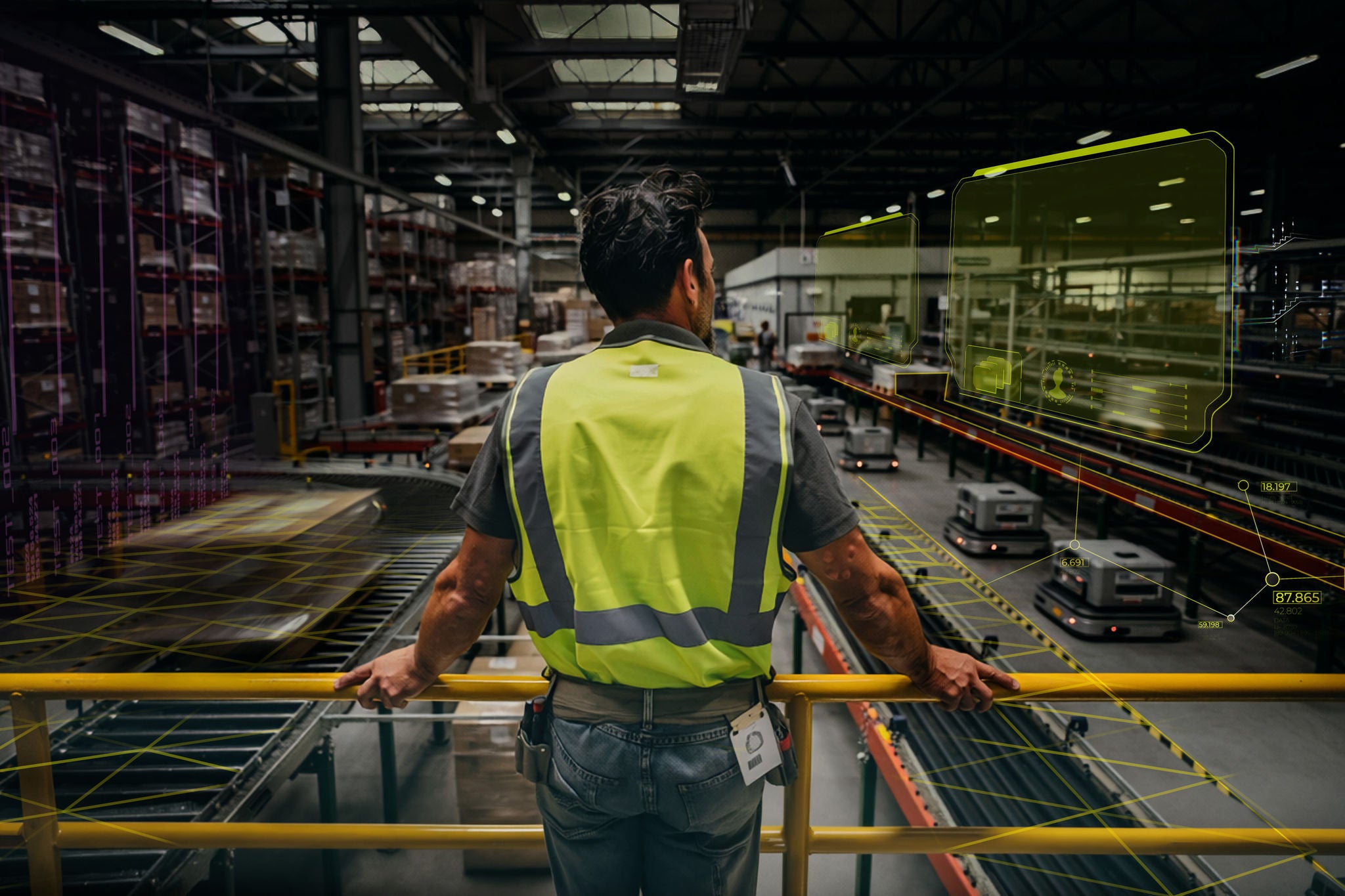
A foundational data strategy — and people who understand the latest developments in the manufacturing and operations technology (OT) data landscape — are an important starting point for evolving from traditional automation to a smart, autonomous factory.
Rethinking work management processes
Most work processes in today’s manufacturing environments were originally designed around people. As traditional automation solutions have been implemented, many work management processes were modified incrementally. Moving to an autonomous smart factory will require a different approach: companies will need to review critical processes and reinvent them for unattended operations. This means rethinking steps, approvals and verification, and shifting the point of view from process execution to process and outcome verification.
This rethinking will also be required for supervisory and decision-making processes. Autonomous operations mean not only execution without people directly involved, but also some level of closed-loop decision-making. The deployment of AI agents and decision intelligence solutions will streamline work processes and, in some cases, require full redesign. The addition of physical AI solutions will also push organizations to evaluate existing processes, establish that documentation exists, and then reinvent processes to accommodate new technologies and solutions.
Why OT cybersecurity matters in autonomous operations
As digital density increases on the shop floor, cybersecurity concerns rise exponentially, and protecting the plant from cyberthreats becomes a core operational risk that few manufacturers are currently organized to manage effectively. This will require updates to existing operating models to establish that OT assets, smart physical assets, and robotic solutions operate safely on the right networks, with the right fail-safe mechanisms in place. It will also require tighter collaboration between enterprise cybersecurity teams and site-level groups responsible for the installed base at each plant.
How workforce transformation supports smart factories
Since dark factories can run with limited on-site human intervention, the human role shifts toward oversight. This can reduce frontline labor while creating new positions in robot maintenance, data interpretation and systems oversight.
The role of indirect labor — especially supervisory roles — will shift significantly.
Most people who work at manufacturing sites — managers especially — will need to learn new skills. In the past, even with highly automated operations, engineers could still walk the floor, troubleshoot, and rely on undocumented, experience-based skills to solve problems. In an autonomous operation, engineers, planners and managers will need to learn how to read data instead of physical cues. They must trust instrumentation rather than direct observation and learn how to detect workflow anomalies by interpreting data feeds. They will also need to think through how to manage people and the agents deployed to support operations.
The journey toward autonomous and smart manufacturing is neither simple nor instantaneous. It demands a thoughtful approach to process improvement, cybersecurity, data integration and workforce adaptation. Organizations that succeed will be those that not only invest in advanced technologies but also foster cross-functional collaboration, develop clear data strategies and help their teams evolve alongside the changing operational landscape. Manufacturers that address both the technical and human challenges with equal care will be best positioned to unlock the full potential of the digital transformation required to adopt smart factories at scale and achieve long-term resilience and growth.