




EY refers to the global organization, and may refer to one or more, of the member firms of Ernst & Young Global Limited, each of which is a separate legal entity. Ernst & Young Global Limited, a UK company limited by guarantee, does not provide services to clients.
How EY can help
-
Learn how your organization can enhance data with AI, driving innovation, creating long-term value and enabling fact-based decision intelligence.
Read more
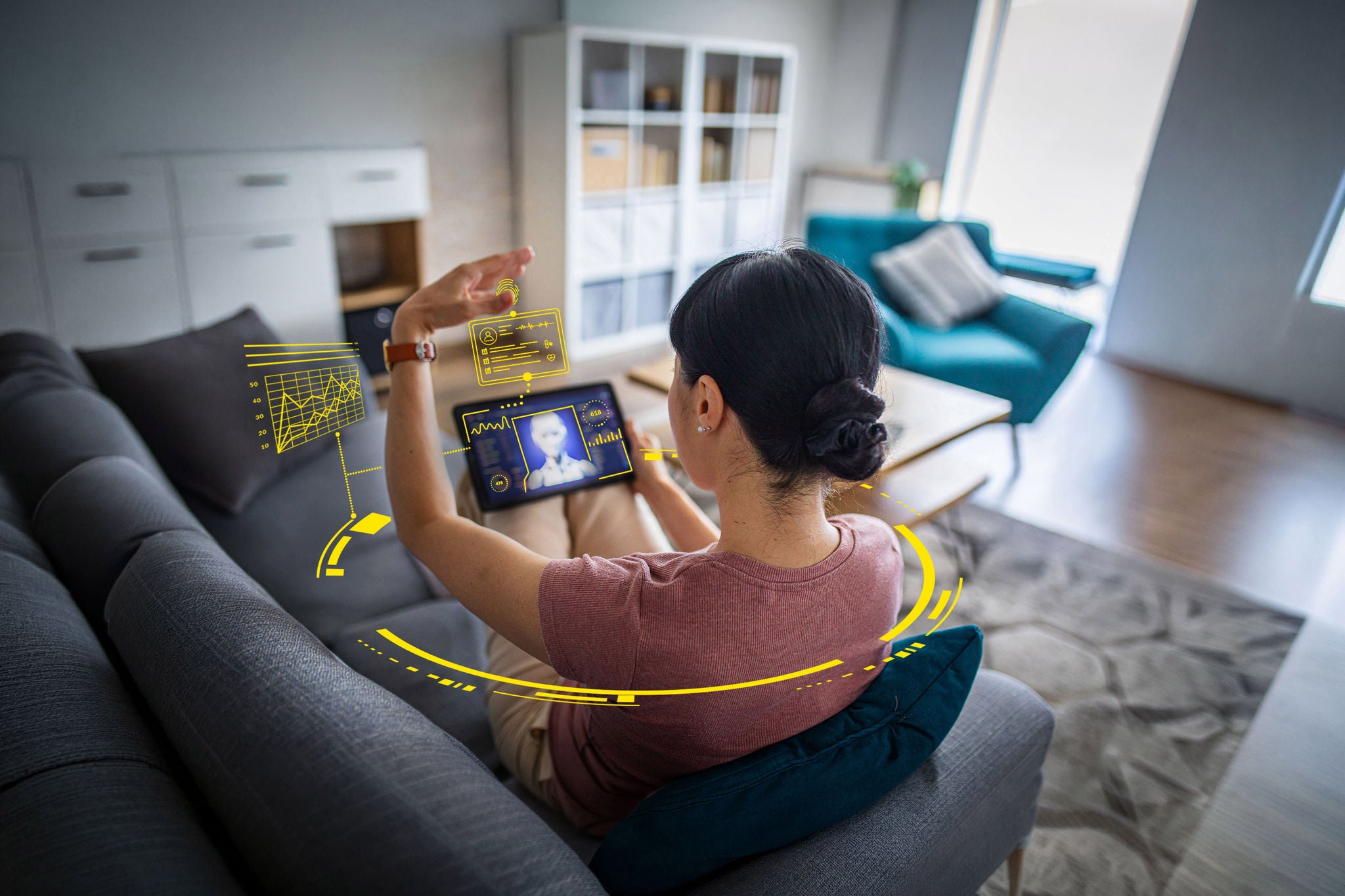
In some cases, digital channels are being used in place of nearer-term in-person care, with many who delay care turning to online search (47%) and AI tools (33%) as alternatives.
US respondents showed considerable confidence in consumers’ ability to take information they learn digitally and make their own diagnoses. Three in four US respondents say that in three to five years, it is somewhat or very likely that people will be using technology to routinely assess or self-diagnose health issues before seeing a healthcare professional.
However, our study results also show a significant level of trust remaining with doctors overall, as 89% say their doctor is reliable. Over three-quarters of those surveyed perceive AI tools and search engines to be reliable sources of health information (76%), and 60% trust social media. Of all countries surveyed, Americans had the highest levels of trust in these digital tools as purveyors of health information.
The consumer reliance on AI and digital tools to inform their personal health decisions means health organizations should continue to build on the trust US patients have toward their doctors, to help patients properly interpret the information they are getting when it comes to their wellbeing.
One evergreen problem is how health systems can incorporate wearable data that patients track themselves. While 55% of US respondents are tracking their healthcare data, only 34% say their doctor has access to their wearable data and actively uses it. Eighty-two percent of those tracking their health data say that they have changed health-related behaviors — from exercise to diet to sleep habits — in the past 12 months, compared to 56% of those not tracking their health data. This suggests that self-tracking is a primary driver in helping people make health changes. Perhaps unsurprisingly, US respondents were more likely than those in other countries surveyed to check their digital health data “multiple times a day.”
When asked about specific AI uses in healthcare, US respondents indicated comfort with health systems using AI for interactions like booking appointments (60%), but their enthusiasm declined the closer AI moved to treatment and to providing emotional support. Only 47% were comfortable with AI use in treatment decisions; 44% would be at ease with AI offering reassurance about their health concerns.