









diverse technicians look at overlay charts near industrial machinery

From legacy to leading edge: real stories of data-driven transformation

Manufacturing businesses are leveraging data & AI to transform legacy systems to cutting-edge solutions with real-world success stories.


In brief

  • Businesses are leveraging data and AI to modernize outdated systems, driving efficiency and innovation.
  • Real-world examples highlight successful data-driven strategies that keep companies competitive and industry-leading.
  • The transformative power of data and AI enhances decision-making, modernizes operations, and achieves substantial business results.

From legacy to leading edge: real stories of data-driven transformation


In an era where data reigns supreme, organizations are considering the trajectory of their data strategies. The challenge is not solely about collecting vast amounts of information; it’s about transforming that data into actionable insights that can drive meaningful change.


Many companies find themselves overwhelmed, caught in a web of legacy systems and outdated practices. Others are boldly stepping into the future, harnessing the power of analytics and artificial intelligence (AI) to redefine their operations.


The journey toward a data-driven culture requires a delicate balance of technology, people and processes, all aligned toward a common goal: unlocking the true potential of data. As organizations embark on this path, they understand that success hinges not just on the tools they deploy but also on the foundational elements that support them.


What does it take to cultivate a thriving data ecosystem? How can companies navigate the rugged terrain of data management, governance and analytics to foster a culture of innovation? The answers lie in the diverse experiences of organizations that have ventured down this path, each with their own unique challenges and triumphs.


Solving the puzzle


The following client stories provide insights into the strategies employed by four different companies, each tackling their own piece of the puzzle in data management and analytics. Through these narratives, we will explore how they confronted their obstacles, leveraged technology and ultimately redefined their operational frameworks. Together, these stories not only highlight the diverse approaches to data transformation but also illustrate how each piece is essential for achieving a fully optimized system.

Female scientist with hairnet testing chemicals writing notes in lab
1

Chapter 1

Breaking the mold: reinventing data management

Imagine a prominent chemicals company, rich in history and innovation, suddenly realizing that its data infrastructure is holding it back. With a patchwork of outdated systems and siloed information, the organization faces a daunting challenge: how to harness the power of data to fuel its ambitious growth strategy. It becomes clear that a comprehensive enterprise data strategy is not just a nice-to-have; it’s an essential for survival in a competitive market.

The work begins with a deep dive into the company’s IT setup. As the layers are peeled back, it becomes evident that the organization lacks a mature data foundation, which is crucial for effective visibility and decision-making. Specifically, there are no clearly defined data products — domain-specific solutions that aggregate and present data in a way that supports strategic business needs across various functions such as procurement, supply chain and finance.

This absence of a structured data framework means that the existing operating model simply can’t scale to meet future demands. Leadership struggles with a lack of actionable metrics and key performance indicators (KPIs) that are essential for informed decision-making across the value chain.

This moment of truth sparks a pivotal decision: to engage external knowledge that can guide the company in developing a comprehensive data strategy. The goal is to build a robust, domain-specific data foundation that enhances visibility and empowers executive leadership to make data-driven decisions. By addressing their data maturity and investing in business intelligence and reporting capabilities, the organization can transform its approach to data management and analytics.

Business units are empowered to access and analyze data independently, reducing their reliance on IT. Suddenly, teams can derive insights on their own, leading to quicker decision-making and a newfound sense of ownership over their data.

As the transformation unfolds, the company sees immediate benefits. Engagement with business stakeholders improves and there is a palpable sense of direction in their data initiatives. By aligning their data strategy with strategic business goals and investing in the right technology, they begin to unlock value that had previously been trapped in their legacy systems.

This chemicals company’s experience is a testament to the power of viewing data as a strategic asset. By embracing change and fostering a culture of data-driven decision-making, they not only laid the groundwork for future growth but also positioned themselves to seize new opportunities in an ever-evolving landscape. Their story serves as a reminder that with the right mindset and approach, organizations can transform their data challenges into powerful catalysts for success.

Key takeaways: Establishing a robust data management operating model is crucial for creating a scalable foundation that aligns with strategic business goals and fosters a culture of data-driven decision-making. It’s also essential to focus on building solutions around the data you have, even if it isn’t perfect, rather than waiting to obtain flawless data prior to taking action.

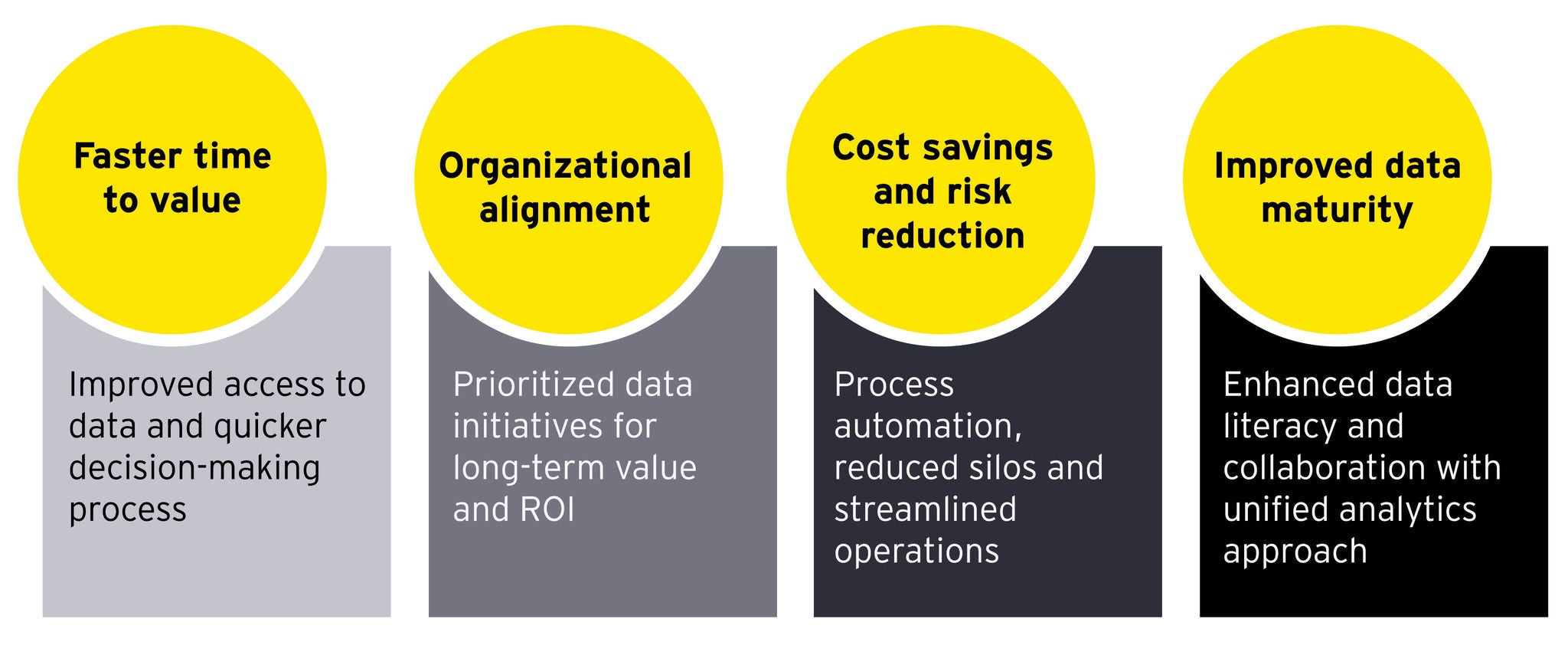
Figure 1: Data strategy and governance: value delivered

Data strategy and governance

Glowing lights from oil rig engineer holding ipad with digital overlay nighttime
2

Chapter 2

Transforming data, realizing value: quick wins in a long-term strategy

With over 70 legacy systems in place, a leading water management company faced a daunting task: consolidating these disparate systems into a single, streamlined solution. The stakes were high, as the company had invested millions in a new enterprise resource planning (ERP) system, but the true value of that investment remained locked away, waiting to be unveiled through effective data management and analytics.

As the company embarked on this ambitious ERP makeover, they quickly realized that simply replacing old systems wouldn’t be enough. They needed a strategy that would allow them to access and leverage their data in real-time, even while the transition was underway. This led to a critical decision: to implement a unified layer of analytics that would bridge the gap between their legacy systems and the new ERP system.

The work began with a focus on user experience. The company unlocked endless data visualization possibilities as a result of their Data Intelligence Platform. Bringing this plethora of ERP data to one single pane of glass provided employees with seamless access to data, regardless of whether it was coming from the old systems or the new. This innovative approach meant that users could continue their work without interruption, even as the company phased out its outdated systems. It was a game-changer, allowing them to derive insights and make informed decisions without having to wait for the entire ERP consolidation to be completed.

As the project progressed, the company experienced a shift in mindset. They moved away from the traditional waterfall approach, where analytics was an afterthought, and instead prioritized data as a central component of their strategy. This proactive stance allowed them to start seeing value almost immediately, with 80% to 90% of the desired outcomes being realized even before the full implementation was complete.

The benefits were tangible. The company gained enhanced visibility into inventory management across its manufacturing sites, enabling better planning and resource allocation. They were able to leverage their data to drive operational efficiencies and improve decision-making processes, all while maintaining a focus on the long-term goal of achieving a fully optimized ERP system.

This water management company’s journey illustrates the power of innovative thinking in the face of complex challenges. By prioritizing data accessibility and fostering a culture of analytics, they not only navigated their transformation successfully, but also put the organization in a stronger position to pursue future growth.

Key takeaway: Implementing a unified layer of analytics allows organizations to access and leverage data in real time, bridging the gap between legacy systems and new technologies.

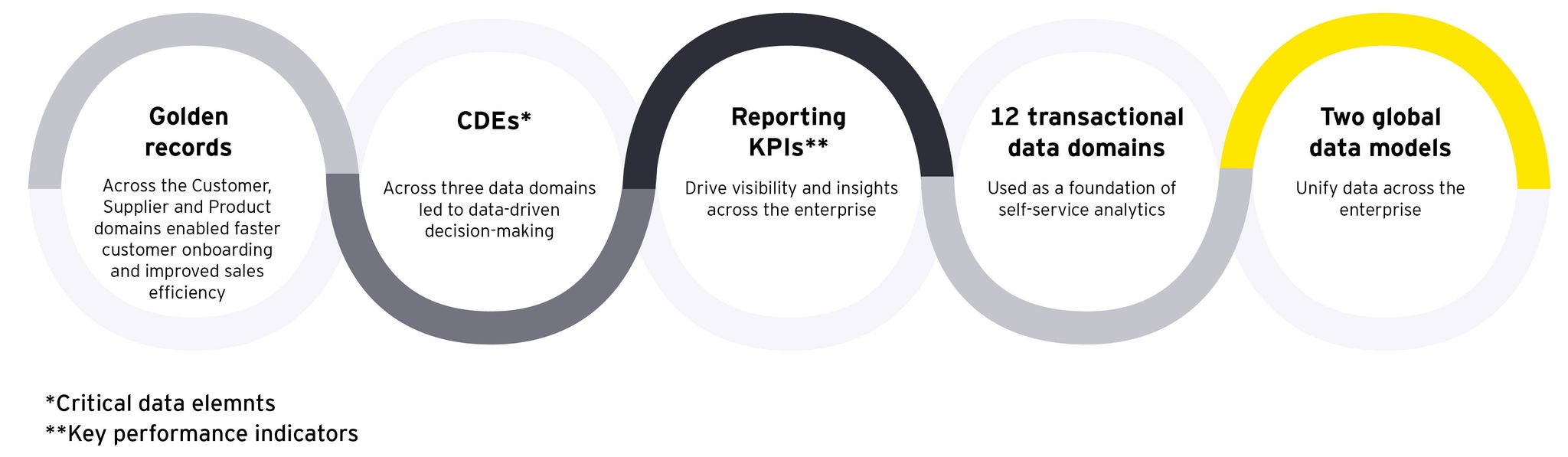
Figure 2: System modernization: quantifiable benefits

System modernization

Silhouette manager looking at warehouse stock data analysis floorplan overlay
3

Chapter 3

Embracing AI for a modern workforce

The journey at this global manufacturing company began with a shift in leadership, marked by the arrival of a new CIO who recognized an urgent need for ERP modernization. With a significant ERP makeover on the horizon, the company faced the challenge of integrating a multitude of legacy systems across its manufacturing and distribution operations in North America. The imperative was clear: how could they modernize their digital capabilities to keep pace with the evolving market?

The CIO quickly identified a disparate data ecosystem as a major hurdle, a consequence of insufficient investment in technology over the past decade. However, this realization also unveiled a wealth of innovation opportunities within various business functions, including aftermarket service, sales, warranty and supply chain. The focus shifted to two critical objectives: building an enterprise data platform that would enable a data-driven culture and infusing AI into daily decision-making processes.

Initial plans for the AI strategy began to take shape during an innovation session. The leadership team envisioned an AI platform as a means for the organization to learn and apply AI to their everyday needs, creating excitement and ownership around the initiative. This marked the beginning of a transformative journey, aiming to harness the power of AI while laying a strong data foundation.

As the planning process got underway, the company’s existing structure necessitated a careful approach to bridge the gap between employees and leadership. In many cases, the two groups were from different geographies. Additionally, the implementation of AI tools required multilingual support to accommodate leaders who preferred communication in a different language. This dual focus on culture and language was essential for fostering acceptance and engagement.

As a manufacturing entity, the organization also faced the complexities of fragmented IT systems and siloed operations. Change management became an important aspect of the deployment, as building trust in the new systems proved to be a significant challenge. It was recognized that without intentional investment in internal buy-in, the rollout could encounter roadblocks.

To empower the workforce, practical AI solutions were implemented that enhanced daily operations. Simple yet effective use cases, such as summarizing virtual meetings and drafting emails, showcased the immediate benefits of AI integration. Finance leadership, for instance, leveraged the platform to analyze financial data securely, enabling quicker identification of gaps and opportunities. These early wins demonstrated the value of AI, fueling momentum for long-term initiatives, reinforcing the commitment to digital transformation.

Key takeaways: A successful AI integration requires a strong cultural alignment, intentional change management and practical applications that empower employees to embrace new technologies.

Two businessmen in hardhats and suits shake hands in industrial warehouse
4

Chapter 4

Revolutionize the dealer experience

This manufacturer’s story is one of proactive investment and strategic foresight. With a stout data foundation established over the past decade, a best-in-class ecosystem for managing connected products and fleet operations had been cultivated. Positioned high on the data maturity scale, there was recognition of the potential of generative AI (GenAI) to enhance offerings, particularly in fleet management and aftermarket growth.

The emergence of GenAI prompted leadership to explore how these technologies could revolutionize the dealer experience. While existing digital applications were effective, the complexity of navigating multiple screens for troubleshooting posed challenges for service technicians. Inspired by the potential for a more conversational interface, the organization sought to leverage GenAI to streamline and enhance service delivery.

This intentional approach to innovation was evident through the focus on building a service technician application that utilizes legacy knowledge documents and service manuals. By simplifying processes and improving customer service, the aim was to showcase the value of AI to leadership and secure further investment for scaling these initiatives.

Continuous feedback loops were established with the dealer network, a nod to the importance of customer-centricity. The company recognized that a strong advisory board could facilitate direct communication and see that dealer insights were being integrated into the development process. This collaborative approach defined success criteria and fostered a sense of ownership among dealers, enhancing the overall experience.

There was also acute awareness of the need for responsible AI deployment. As the organization ventured into GenAI, data security and governance were prioritized, establishing guardrails to mitigate risks associated with external rollouts.

As with any transformative initiative, challenges arose. The complexity of coordinating cross-functional teams and managing diverse stakeholder expectations necessitated an iterative approach. By piloting solutions early and gathering feedback, the organization worked to make sure innovations were aligned with user needs and expectations.

Key takeaways: Leveraging AI for growth requires a customer-centric approach, continuous feedback loops and a commitment to responsible innovation that addresses both opportunities and risks.

Conclusion

Organizations are increasingly recognizing the critical role of effective data management and analytics. Embracing modern technologies such as AI and unified analytics enables companies to drive value by creating operational efficiencies. As companies navigate the future, they should consider how their approach to data can not only drive immediate results but also shape their long-term vision and purpose.

Ellen McNally contributed to this article.

The views reflected in this article are those of the authors and do not necessarily reflect the views of Ernst & Young LLP or other members of the global EY organization.

Summary

Data and AI have been integral in enhancing customer interactions, streamlining operations, and improving overall efficiency in manufacturing. There are actual use cases where AI-driven solutions have successfully increased sales, optimized inventory management, and personalized customer experiences. By adopting these advanced technologies, companies can stay competitive in a rapidly evolving market and meet the growing expectations of modern consumers.

About this article

Authors

Related articles

How will industrial companies light the path ahead to transformative growth

CGI helps manufacturers transition to customer-focused strategies, driving commercial excellence, profitable growth, and innovation at scale.

Rethinking resilience in the manufacturing industry amid disruption

Rethink the future of manufacturing amid disruption. Discover strategies for agility and workforce empowerment in the manufacturing industry.

How can AI unlock value for industrials?

Five initiatives are explored for AI deployment by industrial companies to unlock real value, now and in the future. Learn more.