










EY refers to the global organization, and may refer to one or more, of the member firms of Ernst & Young Global Limited, each of which is a separate legal entity. Ernst & Young Global Limited, a UK company limited by guarantee, does not provide services to clients.
How EY can help
-
Learn how to establish and strengthen a family business board. Explore governance structures, independent directors and succession planning with the EY Americas Family Board Guide.
Read more -
EY Family Enterprise Business Services is designed to help enterprising families grow larger, more valuable businesses that will last for generations. We can help you develop and implement a plan for growth, generational transition and shareholder liquidity.
Read more
Family businesses are the backbone of the US economy. They often operate with a purpose that extends well beyond profit: creating lasting value for employees, communities and future generations. Being privately held gives the family the freedom to make decisions rooted in its values and culture, with a focus on continuity rather than short-term results.
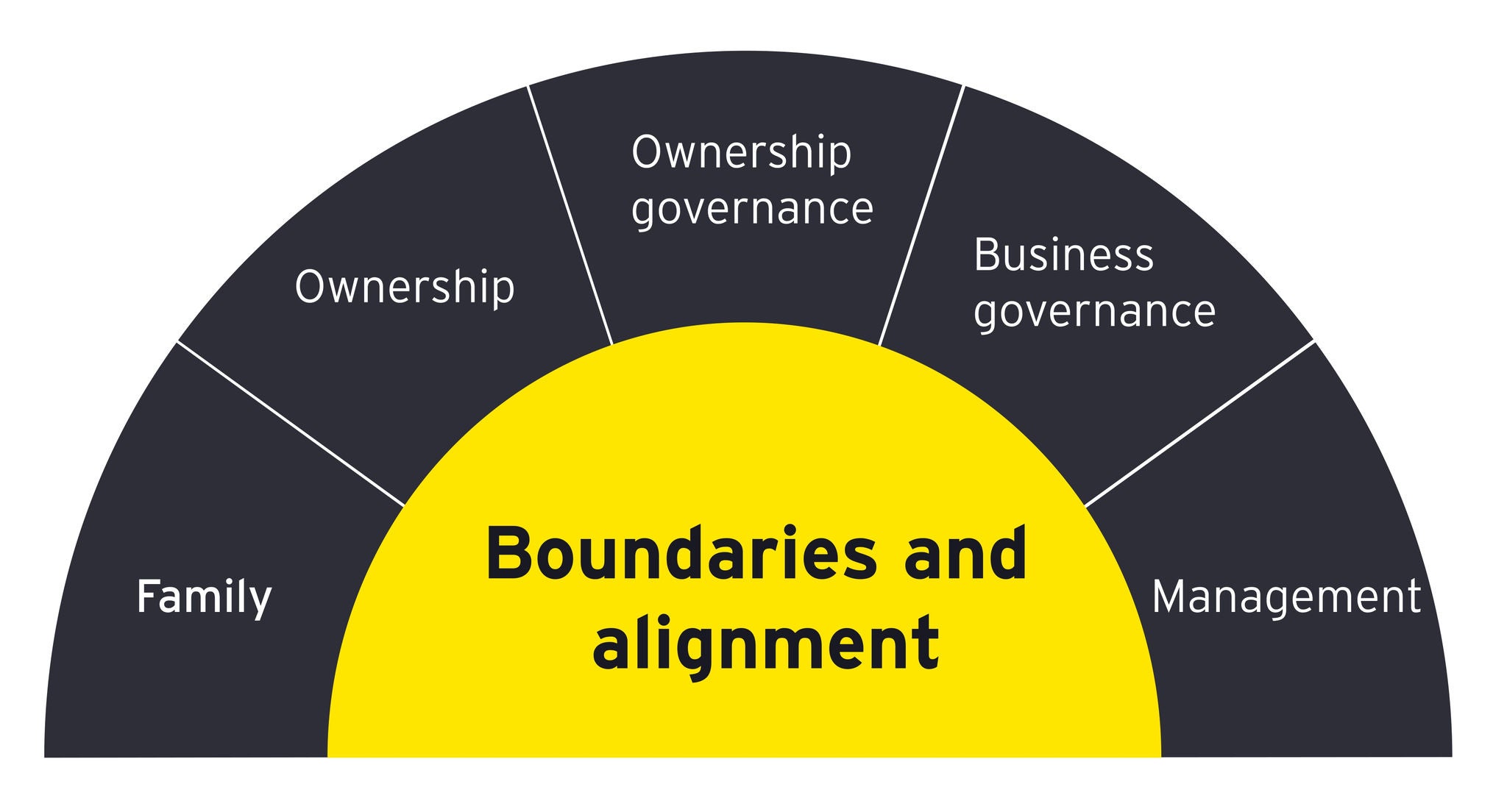
But sustaining that long-term, values-driven focus becomes significantly more complex over time. Growth, generational transitions and an expanding group of lineal descendants introduce new pressures on decision-making and alignment. In response, many families begin to explore governance mechanisms that provide structure without sacrificing flexibility. This effort prompts a critical question: could a more professionalized board add meaningful value?
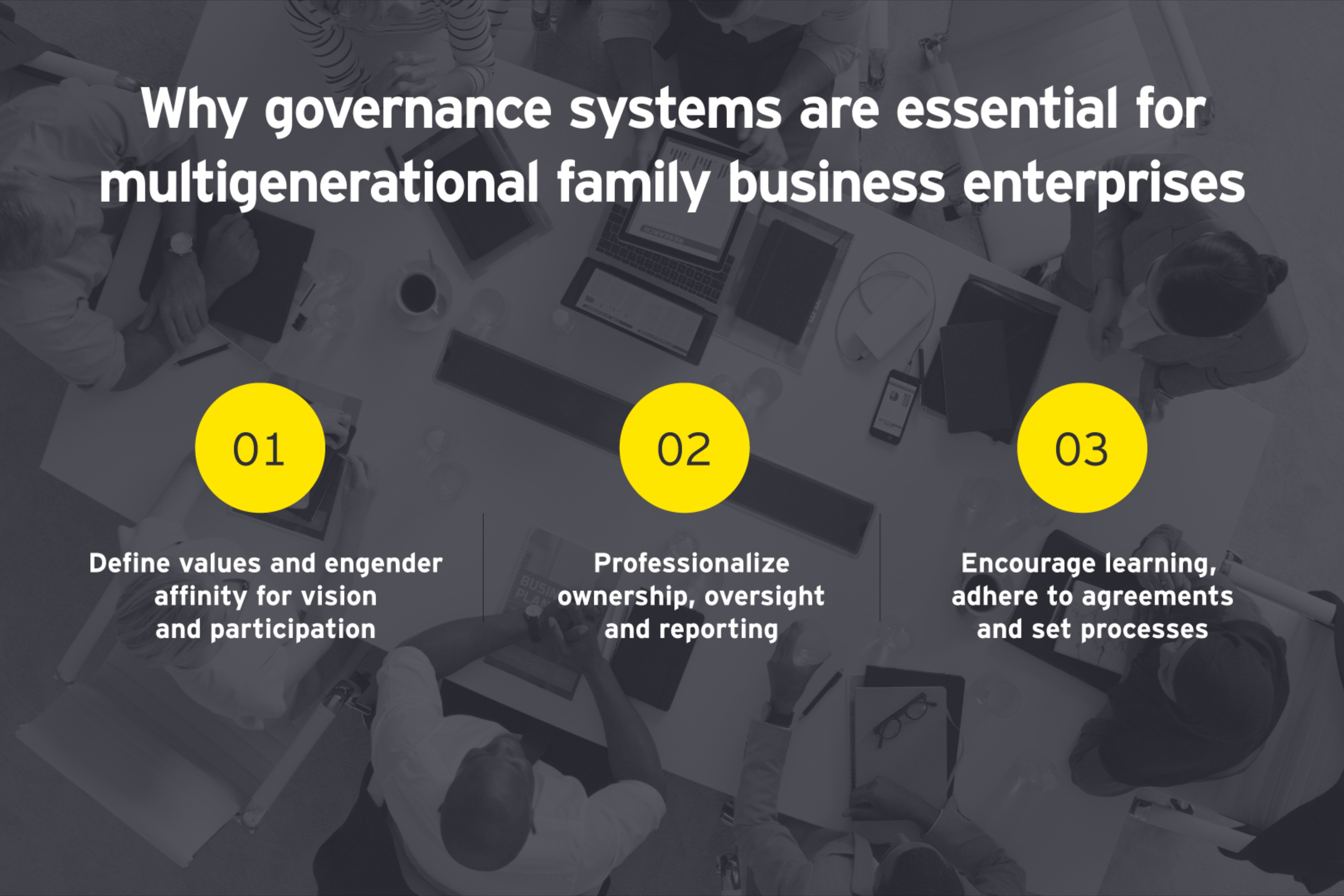
“For many business-owning families, establishing a board of directors can feel overwhelming and even like a loss of control,” says Dominic Venditti, Senior Manager, Family Enterprise Business Services, Ernst & Young LLP. “But effective governance is about gaining clarity around decision-making rights, aligning expectations among stakeholders and supporting continuity through change. The families that get this right are the ones that thrive across generations.”