




EY refers to the global organization, and may refer to one or more, of the member firms of Ernst & Young Global Limited, each of which is a separate legal entity. Ernst & Young Global Limited, a UK company limited by guarantee, does not provide services to clients.
Recent Searches
Adapt faster with AI‑powered, connected workflows

The manufacturing industry stands at a critical juncture. As baby boomers retire, decades of experience and knowledge are walking out the door. A significant gap in information sharing is emerging, compounded by younger generations who often see manufacturing as an industry that hasn’t kept pace with modern technology.
To change that perception, manufacturers must create human-centered, connected workplaces where people and technology work in sync.
This isn’t about adding another tool — it’s about rebuilding the way work gets done, so every person on the line can learn, adapt and contribute faster. The next generation of digital innovation is transforming how people, data and processes come together on the factory floor. One of the most promising breakthroughs in this regard is “connected worker” technology.
1
A new era in knowledge transfer and efficiency
The connected worker framework signifies a revolutionary shift that goes beyond the simple integration of AI. It focuses on capturing and transferring knowledge at an unprecedented scale. The implications of this shift are profound, reminiscent of the transformative impact of the last industrial revolution. For the first time, knowledge can move as efficiently as the products being made.
In addition to knowledge transfer, the need to minimize rote tasks through automation is crucial. For instance, AI can optimize maintenance scheduling, allowing organizations to free up valuable human resources for more complex, higher-skilled work.
2
Connected worker technology
The next evolution in manufacturing
This is where the EY Connected Manufacturing offering, built on ServiceNow’s Industrial Connected Workforce product, comes into play. Its primary goal is to provide a unified view that monitors all tasks and connects workers to essential knowledge in their workflow.
By automating the organization of daily standard work, the connected worker platform streamlines task assignment and scheduling based on predefined plans. The result is a workforce consistently engaged in the right tasks at the right times, eliminating redundant efforts and significantly enhancing workflow.
This innovative approach simplifies operations and helps empower employees to perform at their best, driving productivity and success in an increasingly competitive landscape. Key features include:
3
Role-based impact
How connection changes every job
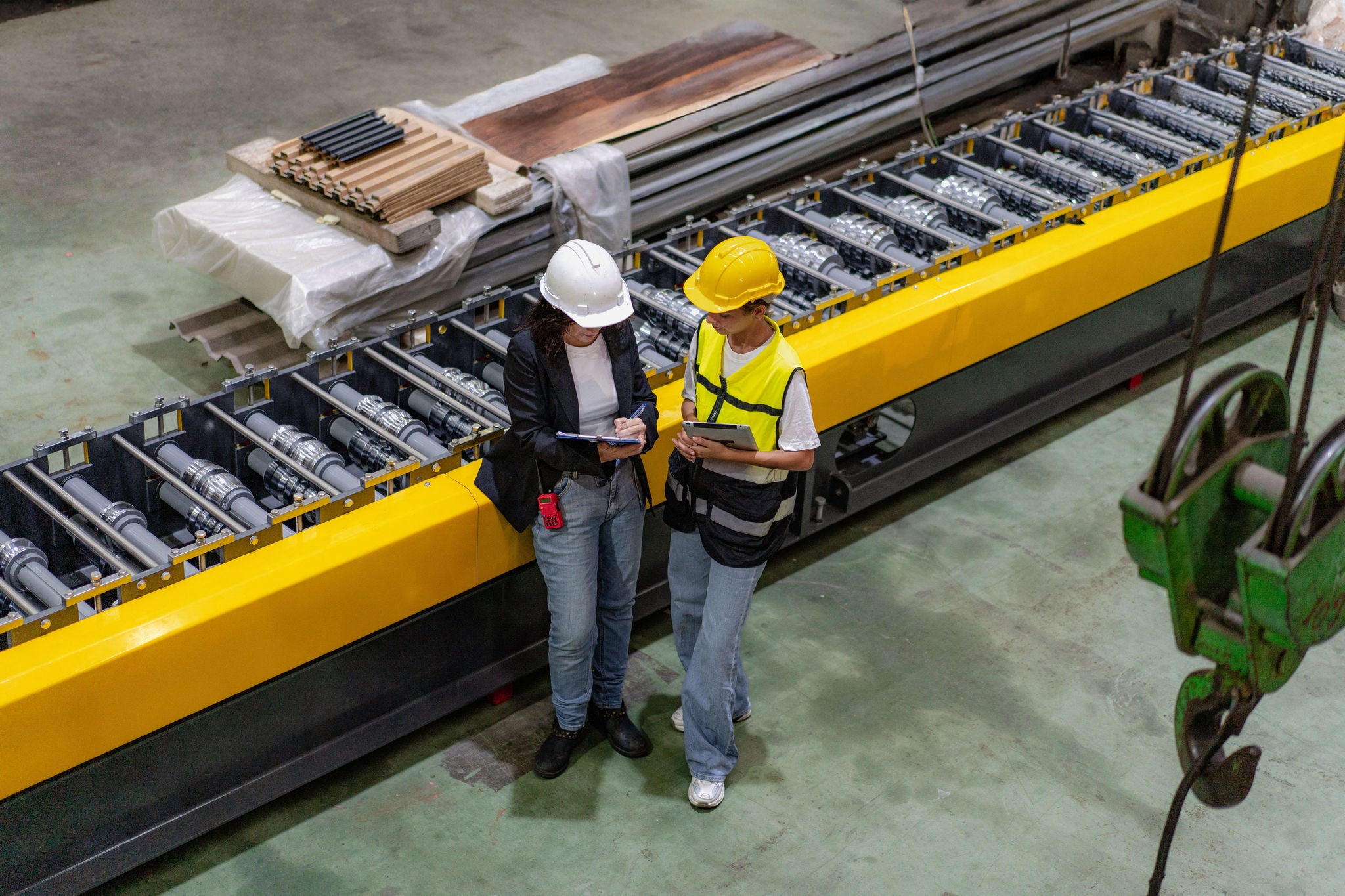
When manufacturers align digital workflows with workforce needs, they don’t just modernize production — they help people thrive in environments where AI amplifies their strengths. AI brings intelligence to every process, and connection brings meaning to every role:
4
Employee upskilling and retention
Turning experience into everyday guidance
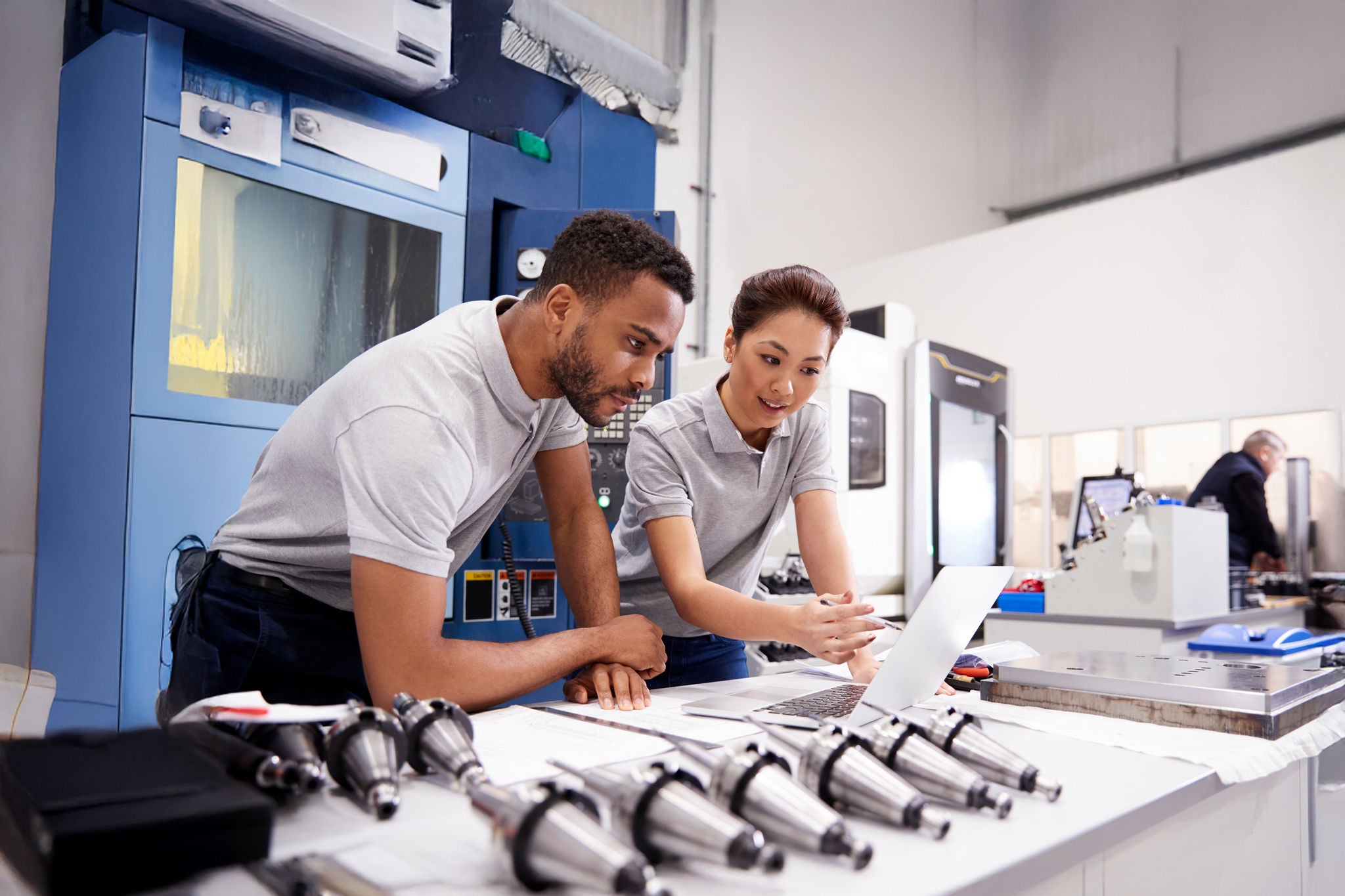
Manufacturers should also consider how tools like Connected Manufacturing can upskill employees and simplify their daily responsibilities. By providing digitized instructions and real-time guidance, the Connected Manufacturing platform not only streamlines operations but also fosters knowledge sharing among team members.
In addition, by offering clear, actionable guidance, the Connected Manufacturing platform not only boosts worker productivity but also improves overall efficiency on the shop floor. This means that companies can increase productivity while cultivating a more engaged and capable workforce.
5
Key benefits of connected worker adoption
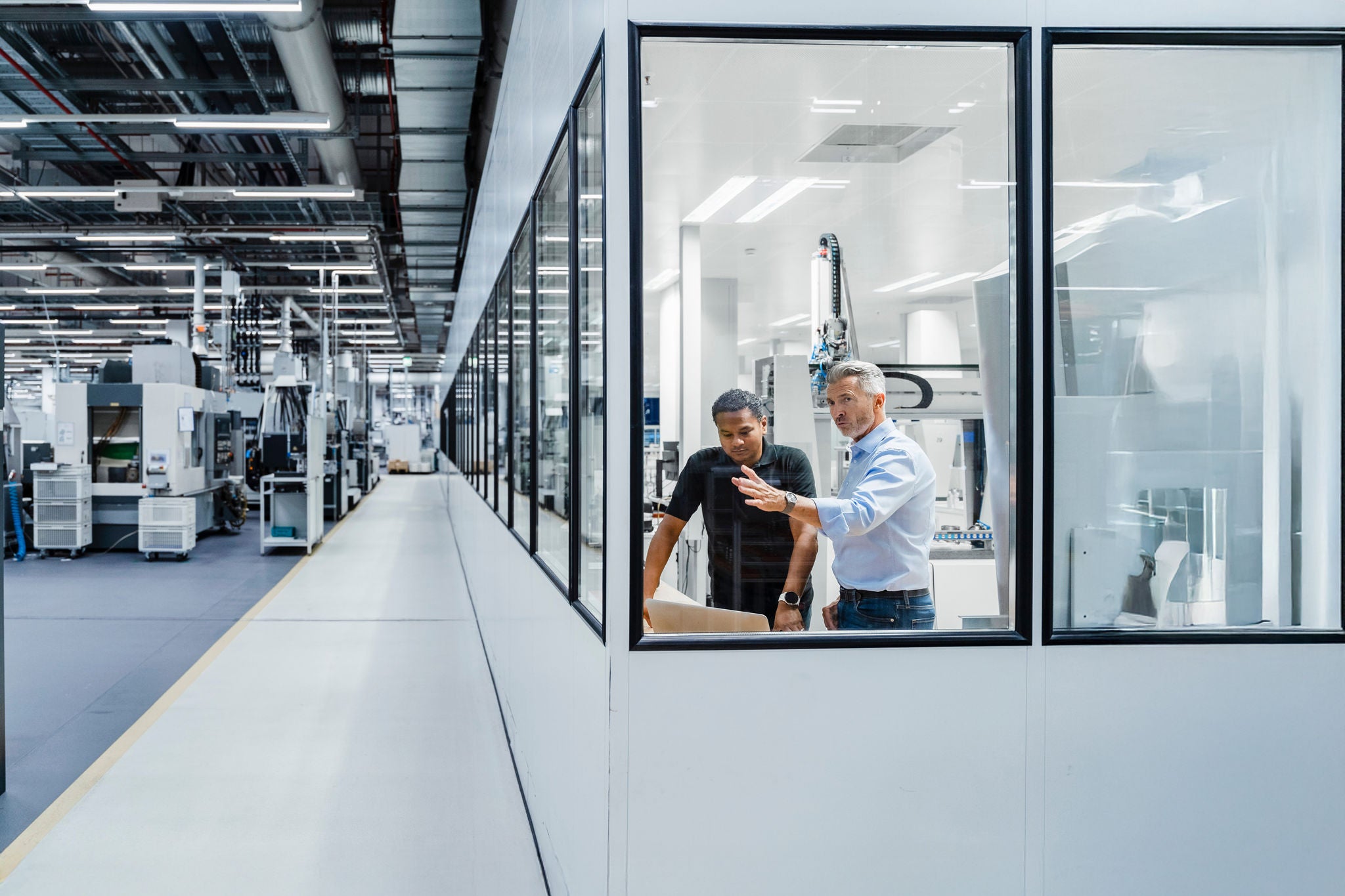
The Connected Manufacturing platform’s digital work instructions standardize manufacturing processes and provide access to essential knowledge resources, effectively reducing errors on the shop floor. Workers can collaborate and troubleshoot in real time, accessing vital information from anywhere.
The platform features “single pane of glass” dashboards that offer quick access to visual data and information necessary for troubleshooting and decision-making — all consolidated onto a single user experience. This integration of knowledge capture and sharing between internal teams helps enable workers to access and improve digital work instructions, training materials and real-time data on equipment performance and production processes.
Workers can easily connect with supervisors, engineers and colleagues via a mobile app or other digital channels, helping them receive real-time guidance and support when addressing issues on the shop floor.
Additional benefits include:
6
Navigating change to build a connected future
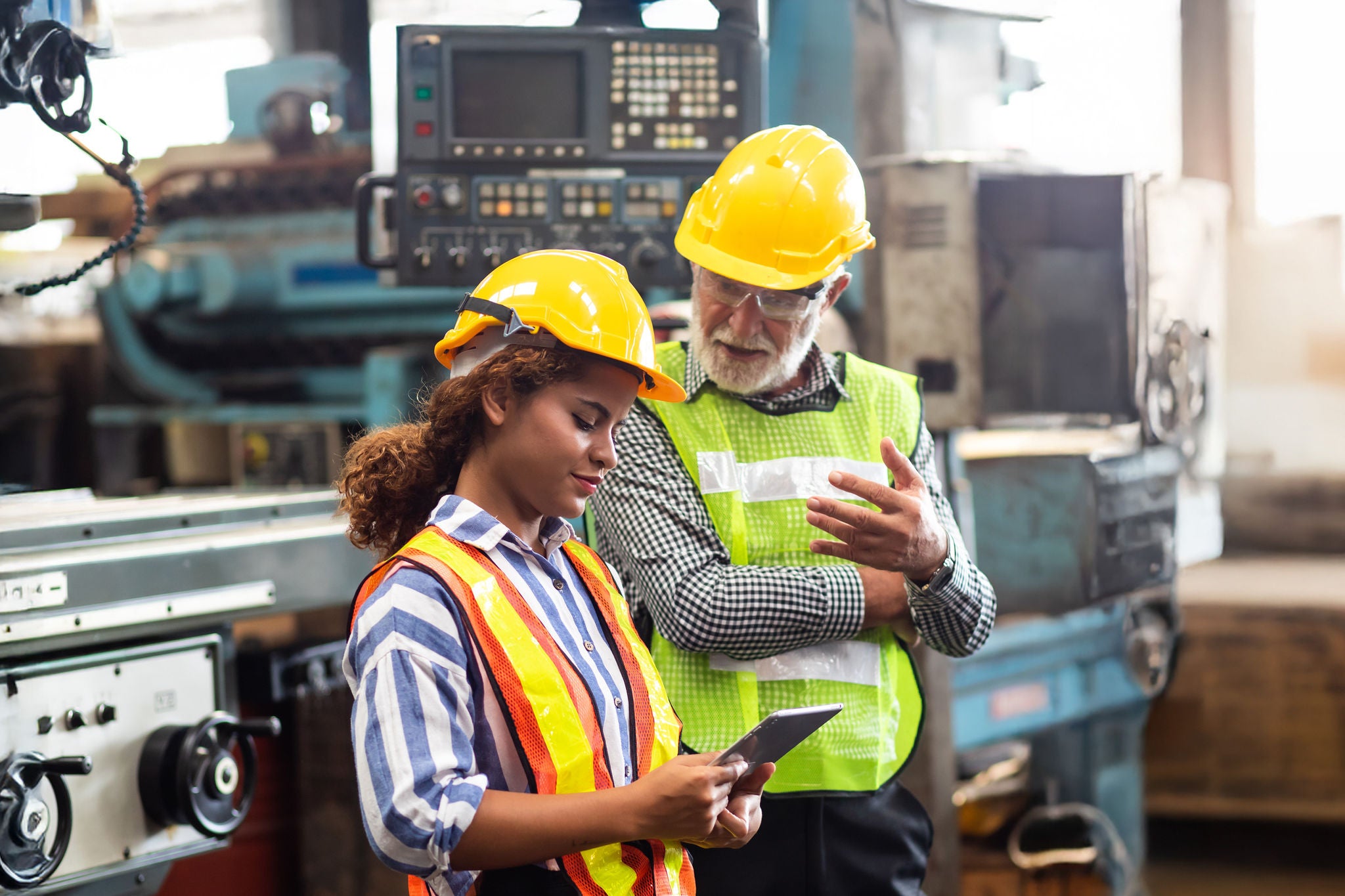
Technology alone doesn’t transform an organization — people do. Tenured and experienced employees may worry that digital tools will add complexity, while newer hires expect technology that feels familiar and intuitive.
The key is to show how connected systems make work easier, not harder. When employees see that digital workflows eliminate frustration, reduce errors and improve safety, adoption follows naturally.
By focusing on clear communication, hands-on training and visible results, leaders can turn skepticism into advocacy and build momentum for broader transformation.
Extending connected work to operational technology
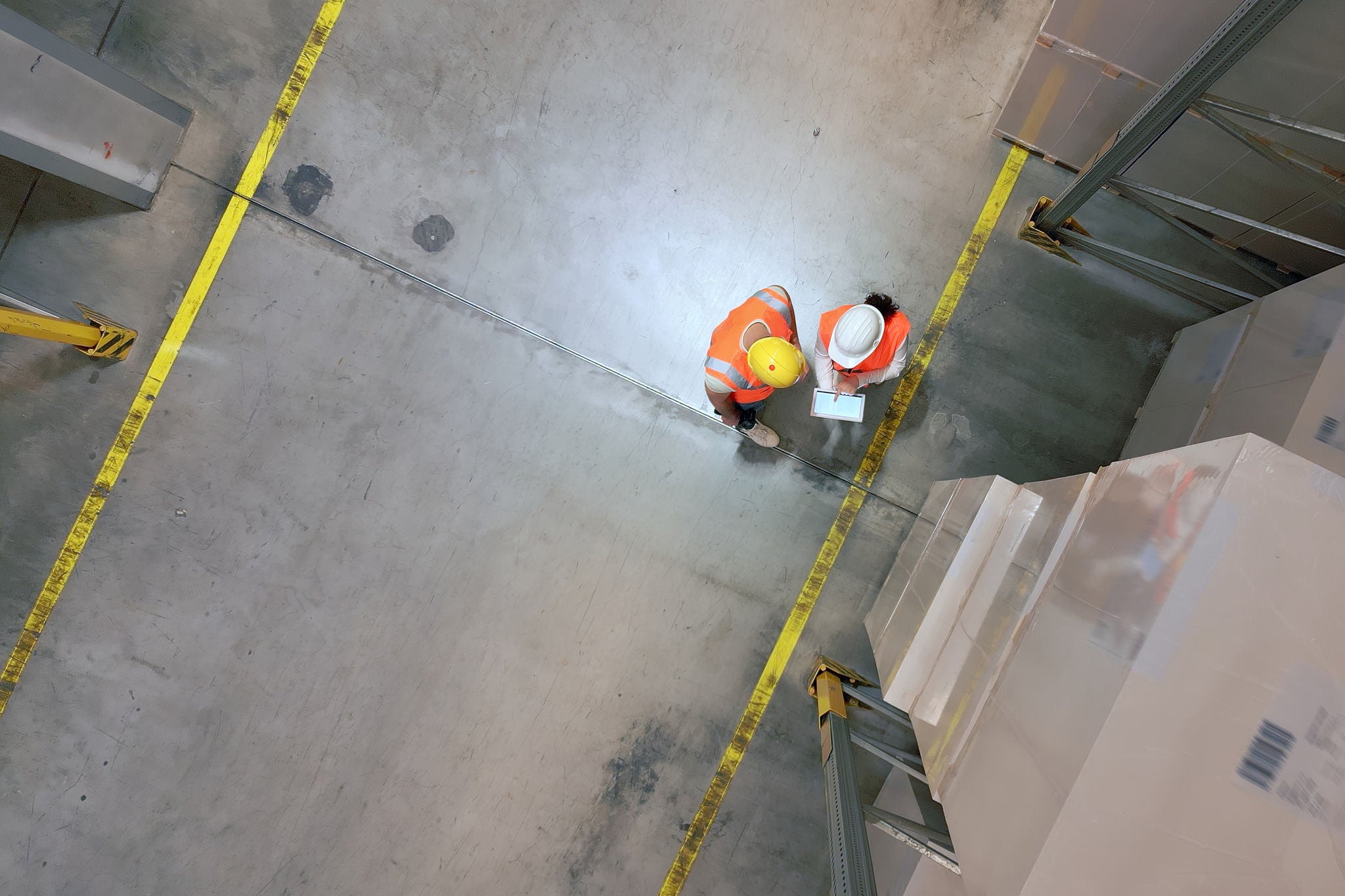
As manufacturers continue to digitize their operations, connected worker initiatives increasingly intersect with operational technology (OT) environments. Frontline workers rely on information from equipment, production systems and automated processes to perform their jobs safely and efficiently. Connecting worker workflows with operational data can help organizations identify issues sooner, reduce downtime and improve visibility across the factory floor.
This convergence becomes even more important as manufacturers adopt AI, automation and connected technologies. Decisions are increasingly informed by real-time operational data, making governance, cybersecurity and safety critical considerations. By connecting people, processes and OT environments, manufacturers can help ensure that innovation supports both operational performance and workforce safety while building confidence in broader transformation efforts.
7
By sector
Where connection makes the biggest impact
8
The path forward
Leveraging Connected Manufacturing
As the manufacturing industry confronts the dual challenges of an aging workforce and a shifting perception among younger generations, the need for innovative solutions has never been more pressing. Connected Manufacturing platform stands at the forefront of this transformation. By harnessing the power of AI and connected worker technology, manufacturers can not only address workforce shortages but also help enhance operational efficiency and employee engagement.
Summary
The future of manufacturing will be shaped by how well companies blend human skill with digital precision. The organizations that connect their people as effectively as their machines will lead the next era of productivity. By investing in connected worker technology today, manufacturers can safeguard institutional knowledge, reduce downtime and make their workplaces a space where people want to build careers — not just fill shifts.
The team
Explore this related page: Connected manufacturing