




IT specialist using virtual dashboard in Data Center

A mining makeover: inspiring the next generation

This article is co-authored by Olga Makoyeva, EY Americas Metals & Mining Centre of Excellence Co-Leader.

The metals and minerals sector is on the brink of a workforce shift that — proactively addressed — can power its future success


In brief:

  • With up to half of the metals and minerals workforce set to retire in the next five to 10 years 1,2,3 the race is on to attract a younger generation of hires.
  • While change will require the collaborative efforts of many, investing in youth today will have a significant impact on staffing to meet future demands.
  • As technology advances and demand for minerals continues to grow, rebranding to create a new frontier that appeals to the next generation will be key.

The metals and minerals sector is at a turning point. The demand for raw materials and critical minerals — which underpin almost every aspect of modern life — is growing. But with a significant portion of the sector’s workforce aging out and set to retire in the next decade, the race is on to attract a new generation of uniquely skilled and tech-savvy workers to lead the business into the future.

There are, no doubt, barriers standing in the way. Negative perceptions. Safety and lifestyle concerns. Environmental impacts. Shortages in the trades that mining requires. While many of these challenges may at one time have been the reality for those in metals and minerals jobs, the truth is that the sector is changing, and faster than many realize — particularly young workers carving out potential career paths.

In an employers’ market, where in-demand career paths often dry up before undergraduate degrees can be completed, opportunities abound, and beyond traditional metals and minerals roles and skill sets that the business may have needed in the past. The hunt for talent is on. The industry is searching for skilled workers well-versed in data analysis, robotics, software and systems maintenance; individuals with sustainability and environmental specializations; or those interested in community relations-based roles.

Metals and minerals may be just the answer for young people focused on purpose rather than simply pay — although there’s that too. So why does this age-old workforce gap continue to widen? What’s contributing to the shortage? And what can be done to reposition the sector for continued growth and enable it to deliver on its potential and promise for the future?

Tackling the challenge requires an understanding of how the sector got to where it is, and what they need to do to get back.

Metals and minerals — a snapshot

A truth that is not widely known — especially among youth — is that metals and minerals is one of the most important economic sectors and a major job creator. With Americans using an average of 40,000 pounds of newly mined materials every year, mining, quarrying and oil and gas contributed $460 billion to the US gross domestic product (GDP) in 2022.4 In Canada, $161 billion, or 7.8% of the GDP, was attributed to mining5 — more than finance, construction, transportation or retail trade — with 60 minerals and metals produced at almost 200 mines and 6,500 quarries, and minerals valued at $153 billion or 21% of total exports.6

That same year, the sector directly employed 420,000 people, plus another 274,000 indirectly for a total of 694,000 jobs north of the border, with one in every 30 Canadians employed7 in the industry, and a total of almost 1.3 million8 working in jobs related to the sector. And while salaries for full-time workers climbed steadily — more than doubling from 1997 to 2022 — workers under the age of 25 plummeted from 12% to 5%, while those 55 and older climbed from 13% to 18%.With no signs of reversing from 2010 onward, the stats speak for themselves and correlate to the labor shortages we’re seeing in today’s thriving sector.

Almost two years later, many of those 55-year-olds are expected to retire and take institutional knowledge with them — part of the sector’s impending “grey tsunami” of retirees10 — while others struggle with the demands of digitalization and automation transforming mining operations. With hiring looking to top 200,000 new people to replace retirees and fill new positions over the next decade to meet baseline production in Canada alone, there’s an impetus for action that cannot wait.

Breaking stereotypes: the new face of mining


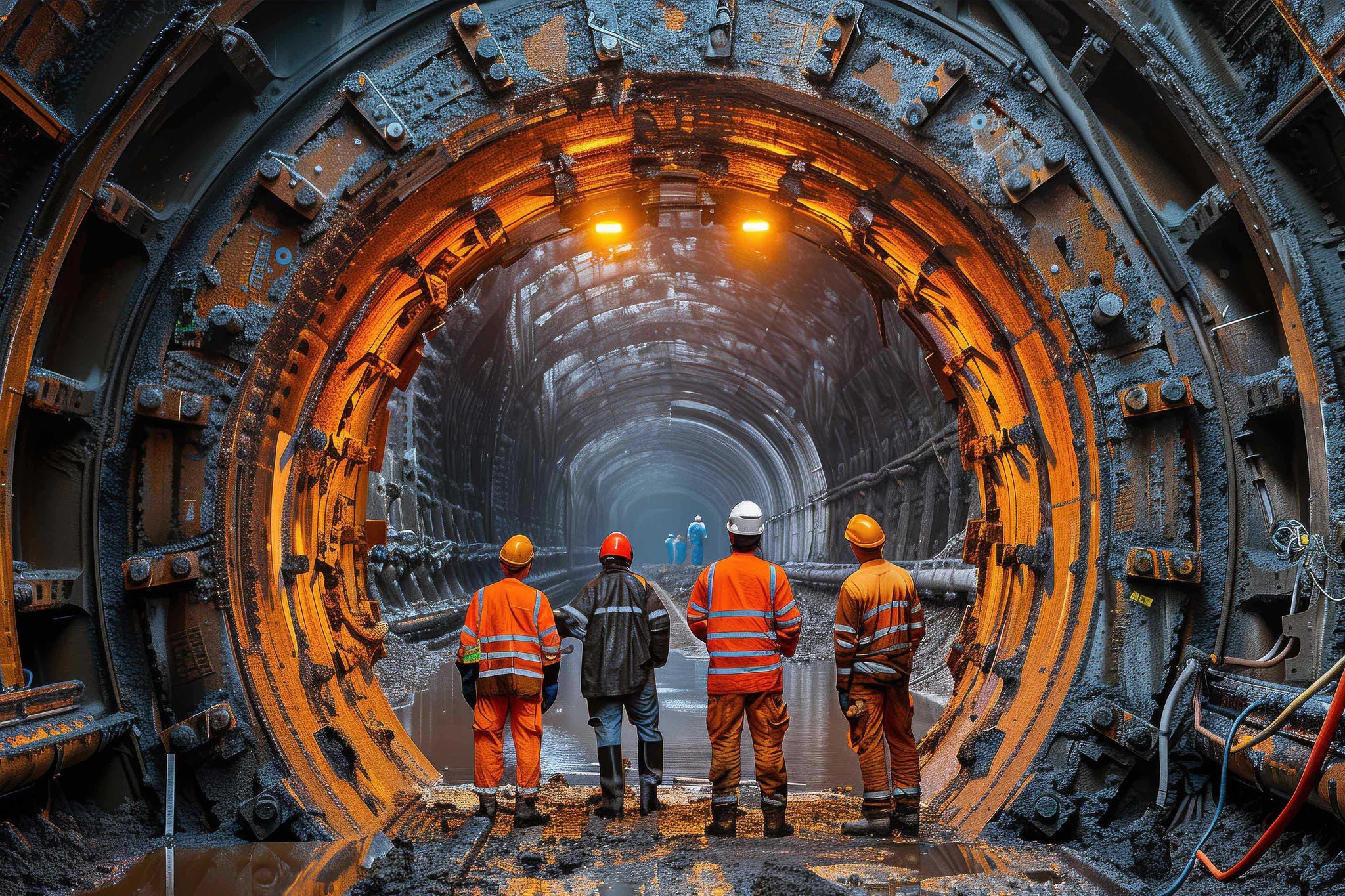
Changing perception starts with breaking down the myths that many have come to associate with metals and minerals. Negative and outdated stereotypes formed from decades- and even centuries-old coal-mining practices: mining as dirty, dangerous, manual labor. Long hours spent working in the dark and living in spartan accommodations, in remote locations and under harsh conditions.


In reality, the shift to automation, AI and remote operations have meant that machines are handling many of the tasks once done by people. From a safety perspective, Canadian mines are recognized for having implemented the highest standards and protocols worldwide, resulting in declining rates of injury. New regulations and the addition of technologies like sensor wearables, proximity warning systems and worksite simulators are cutting down incidents. Paired with automation and AI, mining organizations are gaining important ground on their “zero-harm” objectives.


Media has focused on the negative impacts of mining on the environment, rather than responsible mining and reclamation efforts undertaken to return mines to nature. With sustainability top-of-mind and key to the sector’s future success, roles specializing in compliance and sustainable practices — like environmental monitoring, stewardship and biodiversity conservation — will be in high demand, especially given pressing climate commitments.

Time for action

In recent years, metals and minerals jobs were among the lowest rated occupations, with only 34% of Canadians indicating an openness to work in the sector11 and 70% of 15- to 30-year-olds saying they definitely or probably wouldn’t work in mining, and only 4% claiming they definitely would.12 Given that enrollment in mining-related engineering programs has dropped across the board — in some cases down 41% from 2015 through 202013 and the overall unresponsiveness to the sector’s labor demands — a rebrand is in order.

Revealing the sector as the innovator and critical contributor to vitally important energy transition efforts that it is can help shape metals and minerals’ future as an in-demand employer with welcoming, exciting and rewarding career paths young people are looking for.

When putting plans into action, the following five strategies effectively implemented can reinforce a continued commitment to sustainably advancing the future of mining, strengthening our global leadership in the sector and positioning it for a potential explosion in growth in the coming decade.

  1. Enhancing metals and minerals’ image. Beyond changing stereotypes, transforming metals and minerals’ image is about proactively reframing the sector’s role as green-economy critical, responsible for supplying the minerals needed to power the future. Playing up best-in-class safety and performance, and leadership in sustainable and responsible practices builds on relevancy and speaks to job hunters looking to influence the world around them. Through partnerships and donations, metals and minerals organizations are enhancing their community impact: building schools, improving health care or advancing infrastructure. And contributing positively through nature-positive obligations — environmental protection, restoration, land reclamation and biodiversity conservation — to leave a positive legacy not only while operating in a region but for years afterward.
  2. Investing in education and training. Embedding metals and minerals curriculum in schools can appeal to students, from those in elementary school just starting to define their interests to high school graduates deciding on continued learning. The sector can build talent pipelines through targeted outreach, engaging tours and creating awareness of career benefits, from tuition reimbursement to high starting wages and signing bonuses. Coordinated development programs, short-term training, micro-certificates and apprenticeships offered through partnerships with local universities, technical schools and community organizations can enhance programs and create faster pathways to metals and minerals careers. Programs like the Mining Sector Human Resource (MiHR) Council’s Gearing Up program, which aligns post-secondary student skills training with metals and minerals sector requirements and subsidizes work-integrated learning (WIL) opportunities from co-op placements to field placements. Or enacted legislation, like the US Mining Schools Act of 2025 aimed at strengthening America’s declining mining workforce through a grant program focused on recruiting students and carrying out research related to mineral production.
  3. Fostering diversity and inclusion. In recent years, metals and minerals has been upping its game when it comes to diversity, both to attract and retain a leading workforce. They’re targeting and making the most of the international educations, transferable capabilities and the skilled labor of new immigrants, and as the largest private sector employer of indigenous peoples in Canada, focusing on recruiting from this segment of the population. Often in closer proximity to mining operations, and with closer ties to the land, programs specifically geared to Indigenous and northern communities is opening doors and bringing new and fresh perspectives to the sector. From pre-employment training, like MiHR and the Assembly of First Nations’ Mining Essentials programs focused on skills, knowledge and cultural awareness to a gold producer’s $1.9 million Indigenous workforce development program funded by the Ministry of Labour, Immigration, Training and Skills Development in partnership with First Nations communities. Similarly, programs like the federal government’s Equal by 30 campaign that promotes gender equality and career opportunities for women in mining could help broaden mining’s recruiting reach and tip their scales when it comes to diverse hiring.
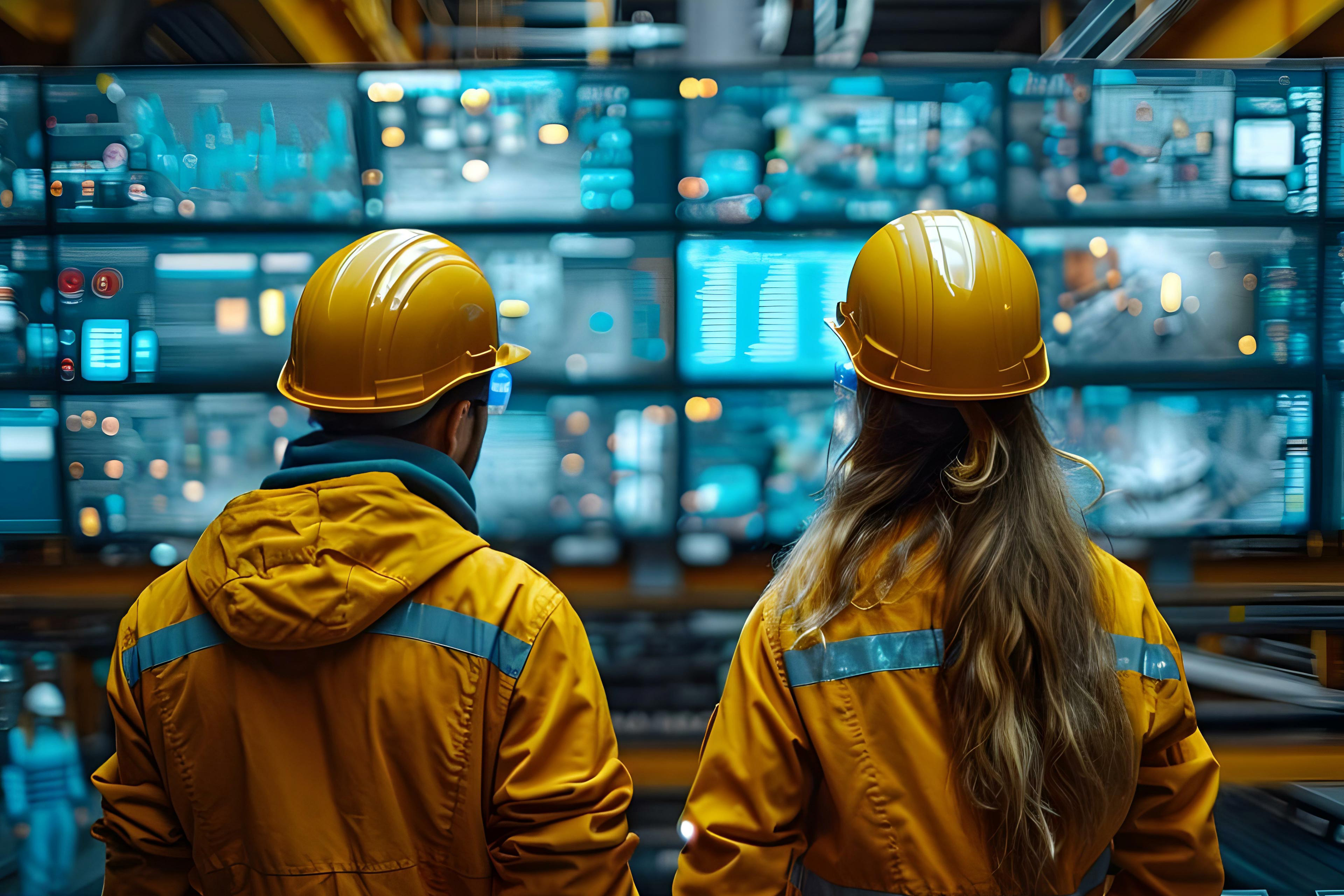
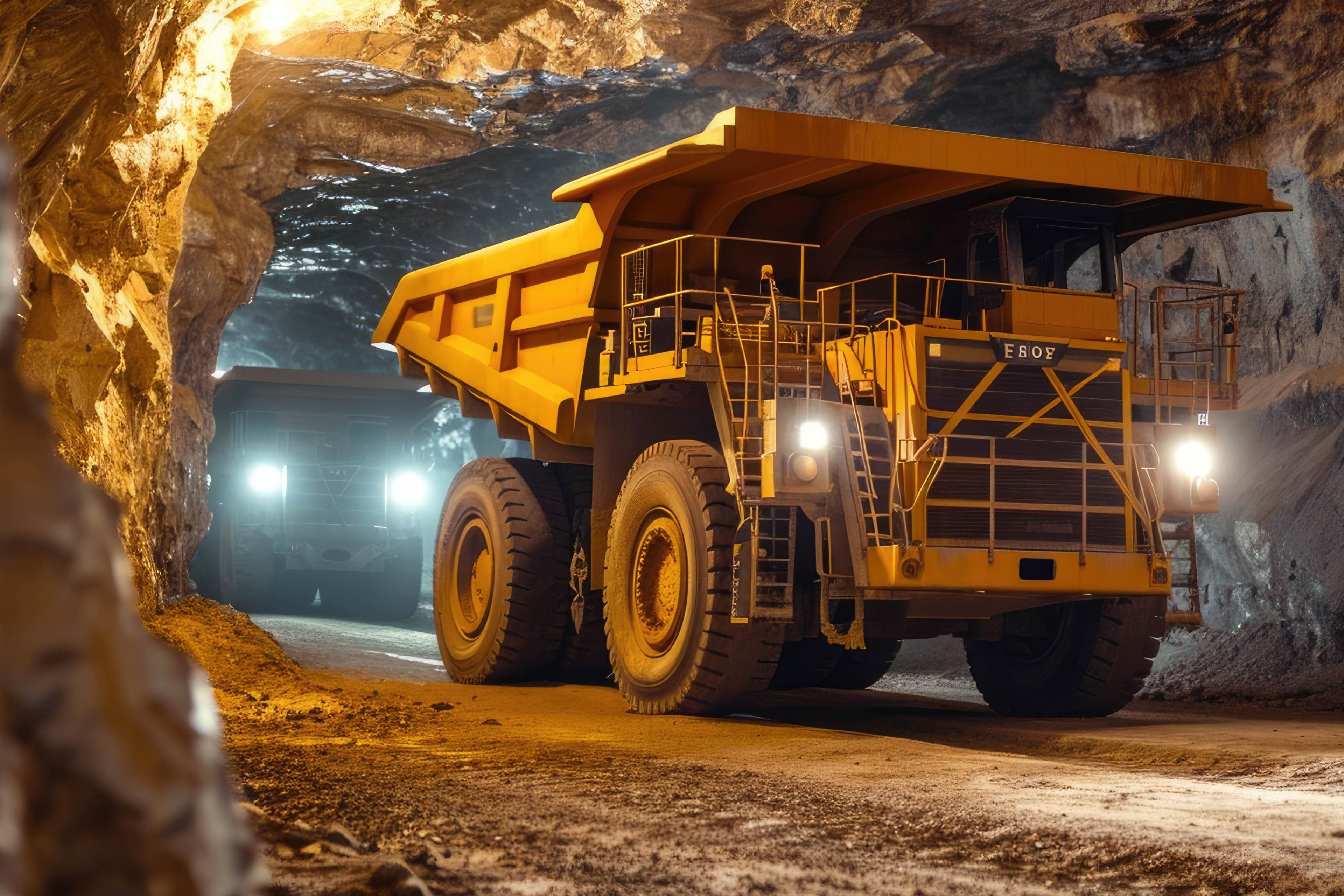
  4. Optimizing technology for innovation. More and more dependent on technology and innovation, the sector offers modern, high-tech and relevant careers for those looking to work with cutting-edge technology. From drones, robots and AI to self-driving autonomous haul trucks and remote-controlled drilling, innovation is swapping out the need for manual labor with a new demand for tech-savvy workers and leaders in automation. Today’s skill shift means recruiting workers with data analytics, robotics, software and systems maintenance capabilities, in addition to traditional metals and minerals expertise. Critical minerals mining is requiring technology and environmental expertise, narrowing the gap between younger and technology-driven generations, while older workers at a leading copper and zinc mining company, for example, are being upskilled and reskilled to foster a workplace inclusive of all.
  5. Improving work-life balance. Many of today’s mining roles operate remotely from central hubs while others employ flexible work arrangements. Like manageable fly-in fly-out (FIFO) rotational schedules, with employees touching down in Nunavut and Northwest Territories as work demands. With shorter periods spent on location, employees can essentially live where they choose while reaping FIFO benefits such as financial rewards, extended time off and opportunities to travel. In addition, metals and minerals companies are increasingly focusing on mental health initiatives to support their workforce, recognizing it impacts every aspect of employees’ lives; examples include NORCAT’s mental health education initiative designed to increase mental health training and awareness among employees, and access to other resources like employee assistance programs, mental health hotlines, 24/7 support services and employee-led support groups.

As the sector continues to evolve, high expectations will translate to high stakes, requiring continued cross-collaboration of all stakeholders working together to strengthen, rather than stall, the metals and minerals sector in its tracks. Increased government investment in mining education — like the US Mining Schools Act of 2023, which established a US$10 million grant program for mining schools to fund recruitment and training programs, for example — and innovative regulatory policies that encourage innovation and workforce development could help in building a more future-focused approach.


Summary

Given the critical role the sector is expected to play in coming years, bold rebranding is essential alongside innovation and new technologies. Shifting the perception of metals and minerals — from relic of the past to dynamic force for the future — will help attract young talent and retain the skills the sector needs to deliver on the green economy.

The shift requires investment, collaboration and partnerships to win the next generation, unlock long-term value and enable growth. A greener, smarter and more inclusive sector isn’t just possible, it’s already taking shape. Inspiring and engaging youth today will help power the future.

About this article

Related articles

Cybersecurity and metals and minerals: striking a delicate balance

Explore insights from EY's roundtable on cybersecurity in metals and minerals, focusing on AI risks, incident response, and strategies to combat human error.

Leading Women in Mining: fostering change and igniting innovation

Cassie Boggs of Hecla highlights that recognizing strengths, adaptability, diverse skill sets and effective communication in mining for career success.

Mining, metals and aggregates: powering future development in the US

The US MMA sector is driving energy transition, boosting economic growth, creating jobs and fostering innovation for future competitiveness.

Unlocking value in mining capital projects: the role of digital

Explore how digital technologies like AWP, BIM, GIS, and digital twin optimize mining capital projects, improving efficiency, safety, and timely delivery.

Renaissance: defining the next era of metals and minerals

Discover key insights from the EY 2024 Americas Metals & Mining Forum on supply chain, workforce, and sustainability. Read the full article now.