Empower strategic workforce training
The capture and transfer of vital institutional knowledge requires more than documentation. It calls for a strategic approach that integrates AI and digital twin technologies, driving mentorship and collaboration between seasoned employees and newcomers. Including long-tenured staff in training equips new hires with the skills necessary to adapt to current operational practices.
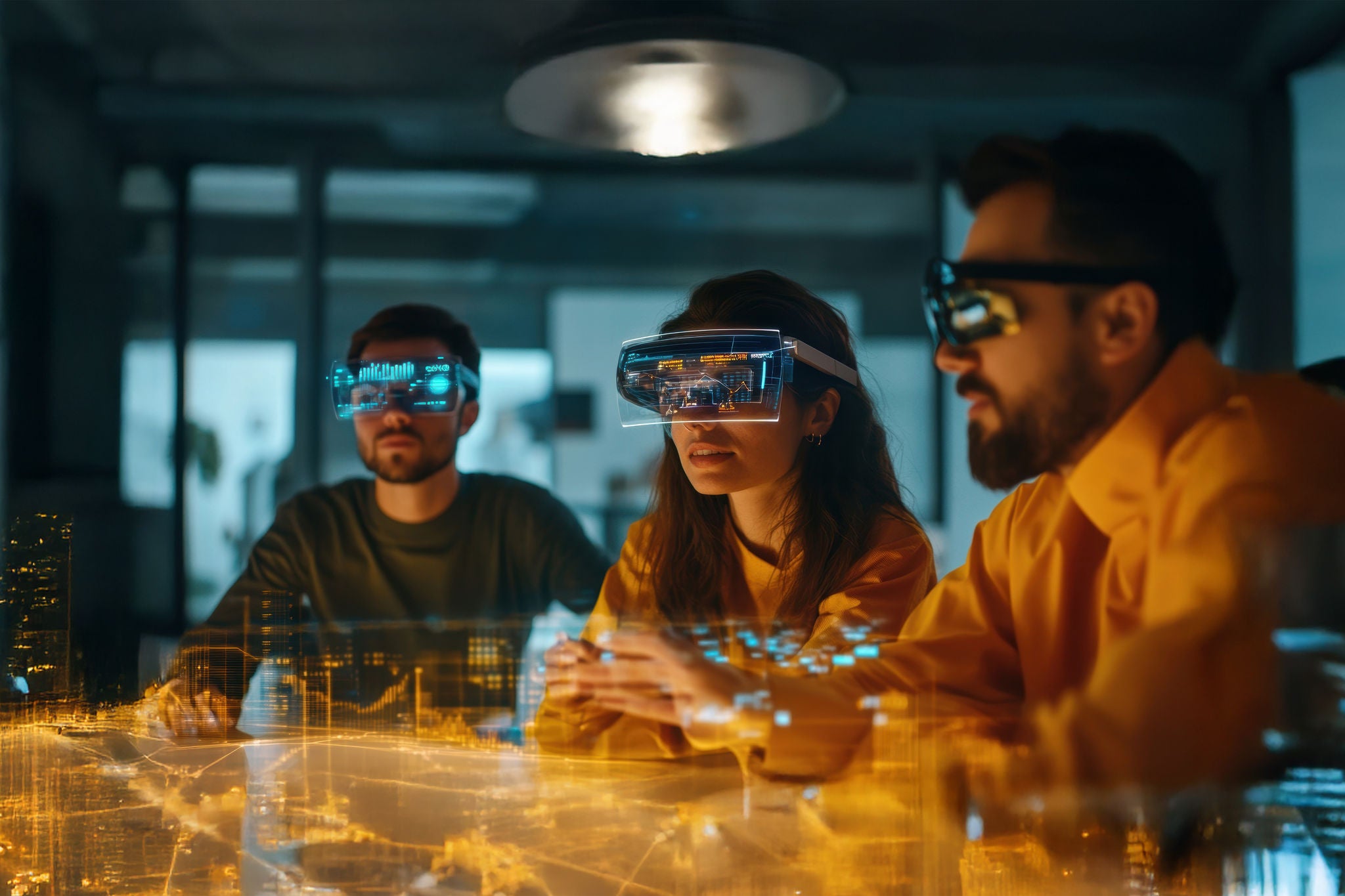
There is a growing demand for efficient, diversified digital training methods that align with utilities’ ambitious projects. The rapid pace of technological advancement, including advanced metering infrastructure (AMI) and digital upgrades, demands comprehensive and fluid training solutions. By utilizing AI-driven knowledge management systems and digital twins, organizations can formalize critical knowledge and enable employees to engage with complex systems in a virtual environment.
Research shows that experiential learning methods lead to improved retention rates compared with traditional classroom-based training. Allowing employees to engage in realistic scenarios helps reinforce knowledge and skills, making it easier for workers to recall information and apply it effectively in their roles. This shift toward immersive training prepares them for real-world challenges and leads to a more engaging learning experience that resonates with today’s workforce. This approach also reduces the need for physical walk-throughs at off-site locations, cuts costs, improves efficiency and minimizes risks associated with live training.
The problem with legacy systems is they often lack the flexibility and integration capabilities required to keep pace with new tools, leading to inefficiencies and frustration. These limitations can create siloed operations because departments may struggle to share critical information and resources effectively. Consequently, important documents may be saved offline, further hindering collaboration. Leveraging AI coworkers and virtual mentors supports workers throughout their training journey, providing instant updates as processes evolve.
Integrating digital twins with emerging technologies like augmented reality (AR) enhances immersive experiences, while feedback mechanisms allow utilities to continuously refine the training content based on trainee insights.
As utilities prepare for the technologies that will shape the future of the industry, cultivating a workforce proficient in both current and emerging technologies — such as data analytics, machine learning (ML) and automation — is essential.
Getting started with digital twin integration
Developing a structured training program that incorporates digital twins alongside contemporary learning platforms is essential for addressing the challenges posed by outdated systems. This integration should not be an afterthought. Rather, it must be a core component of the training strategy, enabling these digital solutions to be seamlessly woven into the fabric of employee development.
To maximize the impact of digital twin technology, utilities should:
1. Embed AI-driven performance metrics into their training programs
These metrics enable real-time monitoring of training effectiveness, providing valuable insights into employee progress and areas of improvement. By leveraging data analytics, organizations can assess the impact of training initiatives and make informed decisions about necessary adjustments. This continuous feedback loop builds an environment of ongoing improvement, allowing utilities to refine their training approaches in response to evolving operational needs.
2. Establish mechanisms for continuous feedback and improvement
Employees should have opportunities to provide input into their training experiences, helping organizations identify strengths and weaknesses in their programs. This participatory approach should enhance the relevance of the training content, as well as empower employees to take ownership of their learning journeys. By nurturing a culture of open communication and collaboration, utilities can create a more engaged and motivated workforce.
3. Position investments in digital twin training as a shared service across the enterprise
Rather than viewing these initiatives as isolated expenses, utilities can recoup costs across major projects, thereby promoting a more sustainable approach to training. For instance, the initial development of digital twin training resources can be supported through capital expenditures (capex) from specific projects, while ongoing updates and maintenance can be funded through operational expenditures (operations and maintenance). This financial strategy not only alleviates budgetary pressures, but also reinforces the value of training as an integral part of the organization’s overall success.
The successful implementation of digital twins and modern training methodologies hinges on a well-defined strategy that prioritizes integration, continuous improvement and a shared investment. By embracing these principles, utilities can cultivate a workforce that is both more prepared for the obstacles of today and more resilient in confronting tomorrow’s new challenges.