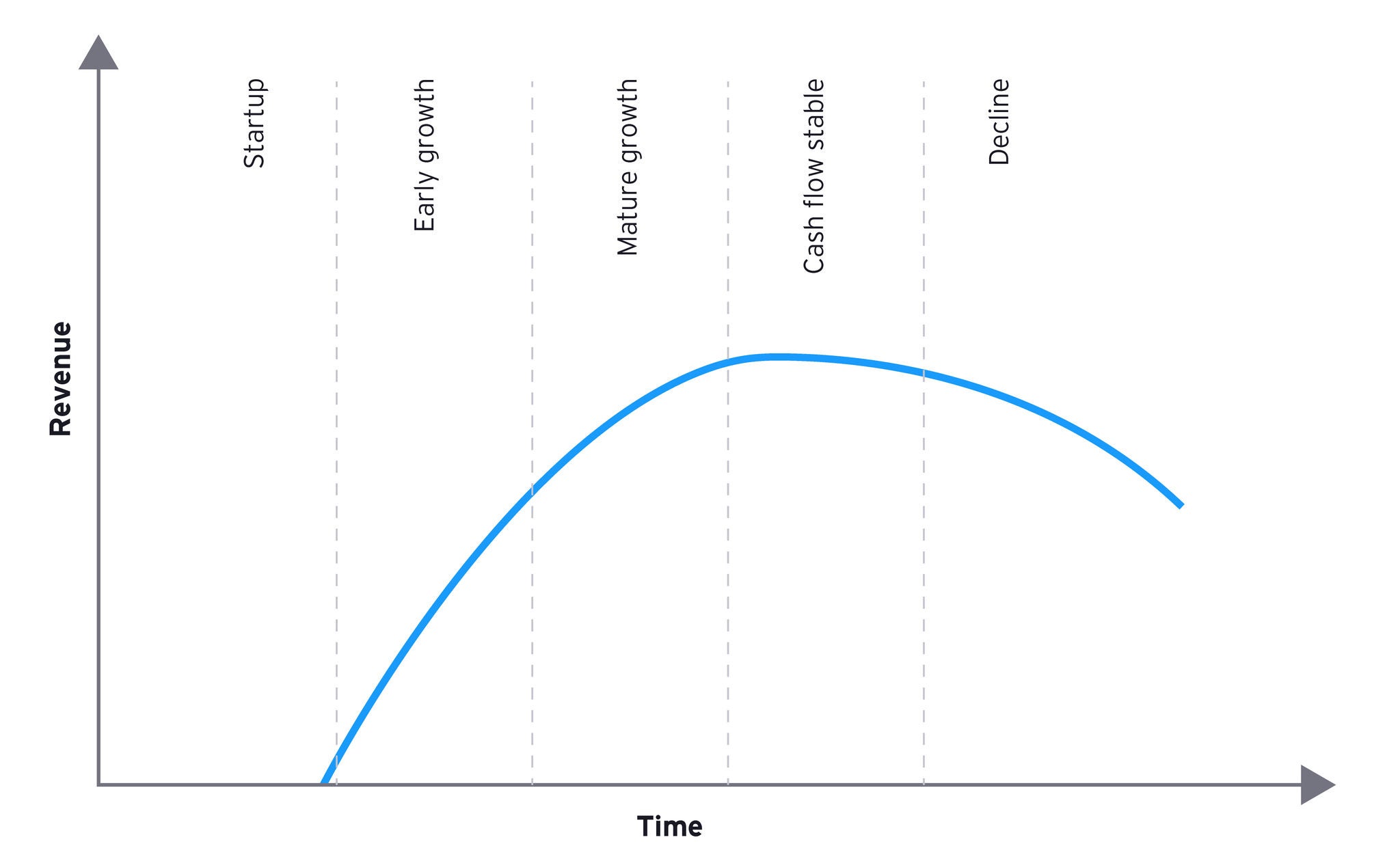
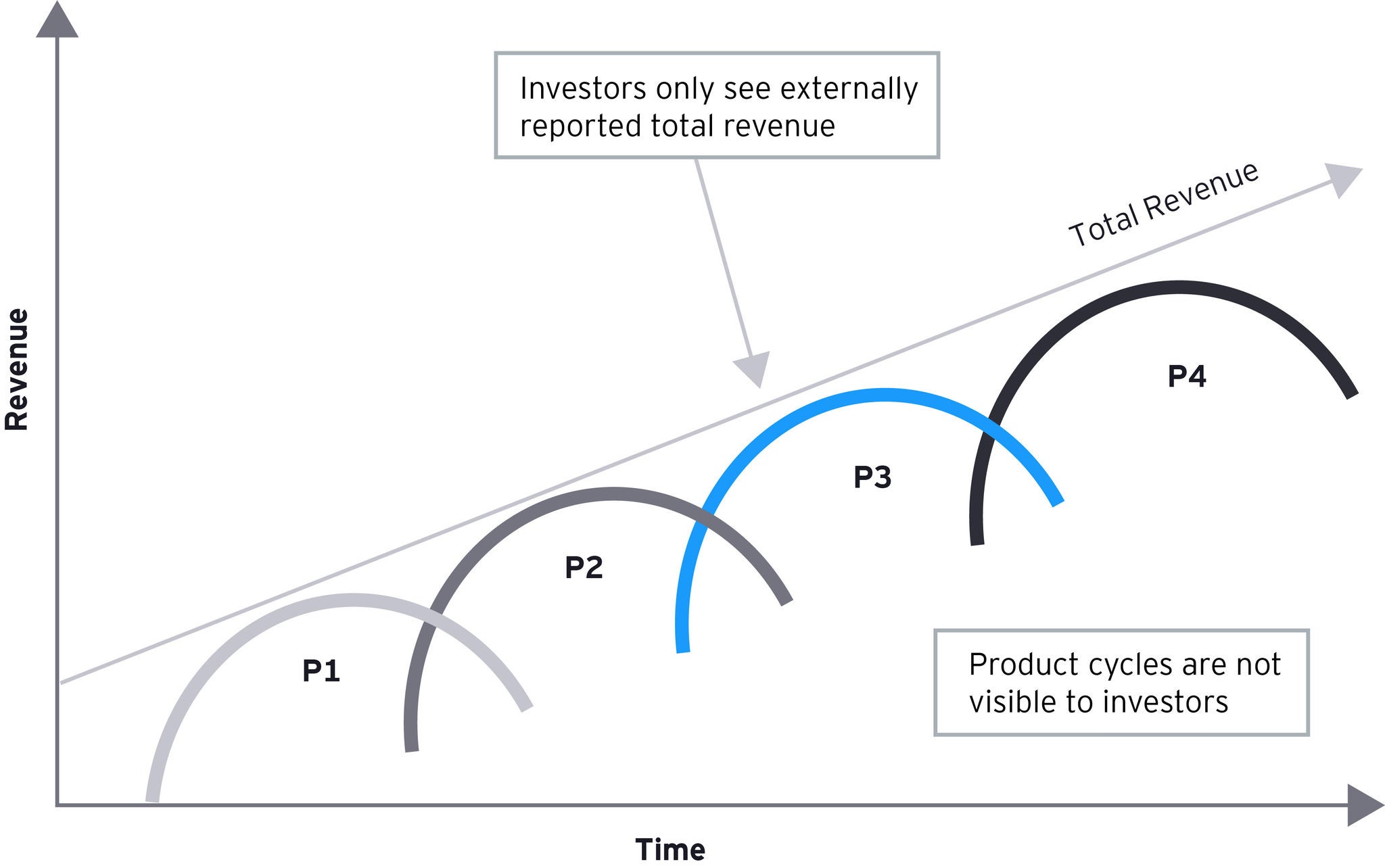
Software companies typically balance transparency with competitive sensitivity when sharing lifecycle information. Common disclosures include high-level adoption metrics, revenue breakdowns by product category and major roadmap milestones, which help investors gauge progress and strategic direction. However, firms generally withhold granular churn rates, detailed R&D prioritization criteria and competitive win/loss ratios, as these could expose vulnerabilities or strategic plans. This selective approach enables companies to support their narrative and demonstrate foresight without compromising competitive advantage, reinforcing trust while maintaining flexibility.
By selectively sharing relevant lifecycle information, companies can support their narrative, demonstrate strategic foresight and preserve flexibility. Clear communication aids investors in accurately assessing product strategy and trajectory while allowing management to safeguard important information.
In a previous article, we looked at the importance of demonstrating efficient use of capital as a contributor to TSR and evidence of a company’s right to grow. As with some other industries, it’s crucial that software companies build investor confidence while investing in R&D, since it’s required for future success.
Conclusion
In the software industry, product portfolio management is key for adapting to rapid tech change and investor demands. By mapping product lifecycles and actively monitoring performance, companies can align capital allocation with innovation, foster investor confidence and drive long-term value. Transparent communication – grounded in quantitative lifecycle metrics – empowers leadership and shareholders alike to make informed decisions and support sustained innovation.