





EY refers to the global organization, and may refer to one or more, of the member firms of Ernst & Young Global Limited, each of which is a separate legal entity. Ernst & Young Global Limited, a UK company limited by guarantee, does not provide services to clients.
Recent Searches
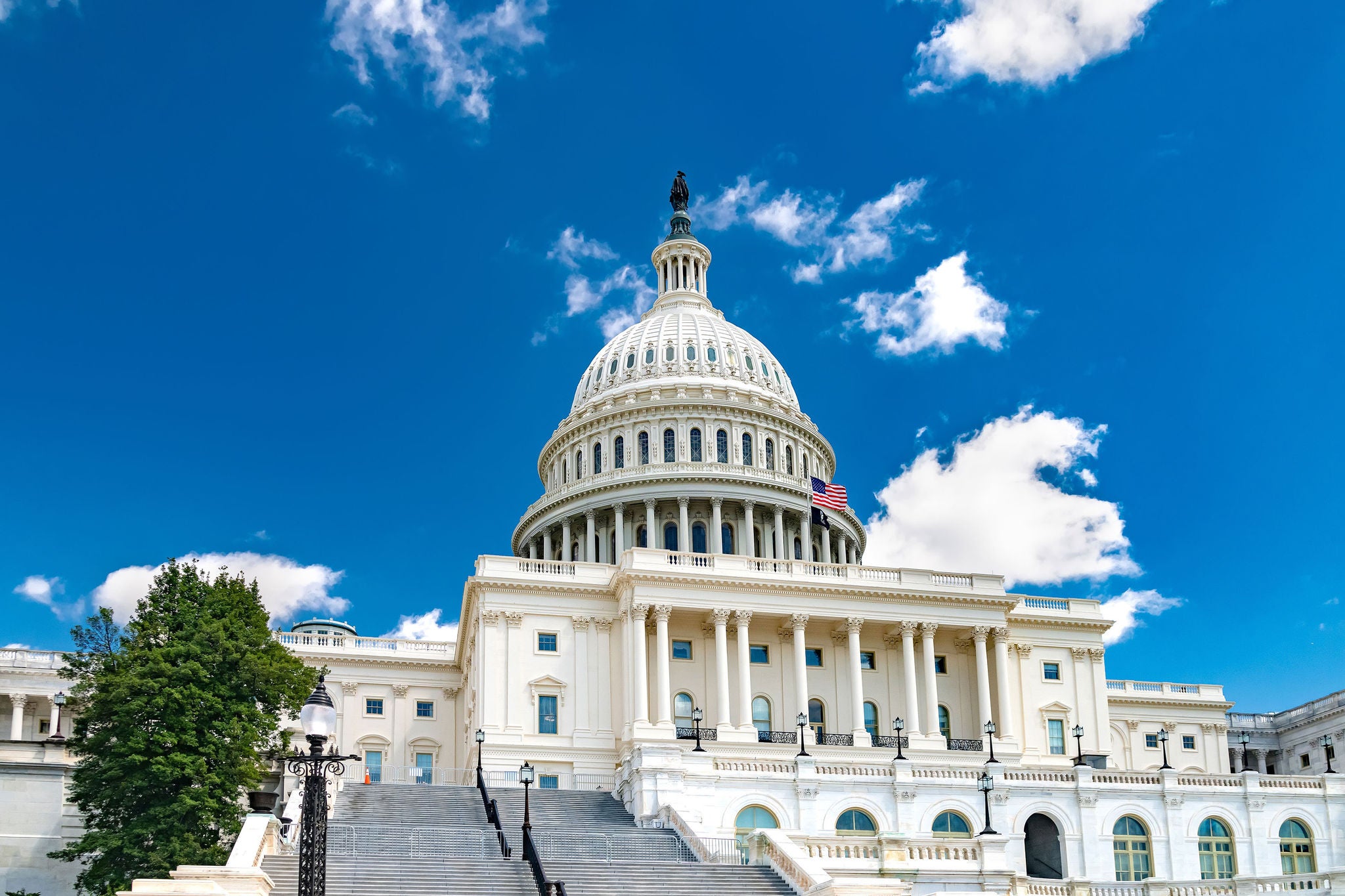
Key legislative priorities as lawmakers reconvene include health care, appropriations and economic policy in 2026.
As the 119ᵗʰ Congress reconvenes, lawmakers face two pressing issues: the expiration of enhanced Affordable Care Act (ACA) premium tax credits and looming government funding deadlines. With nine of twelve appropriations bills set to expire on January 30, these challenges could serve as vehicles for broader negotiations on tax, health care and trade policy. While Democrats push to extend ACA credits for three years, Republicans remain divided, offering alternative plans based on Health Savings Accounts. The debate underscores a larger fight over health care affordability, which is expected to dominate the 2026 legislative agenda.
Congressional leaders are working toward a bipartisan agreement on FY26 appropriations, with informal consensus on topline spending numbers signaling progress. Defense spending remains a priority for Republicans, while Democrats advocate for nondefense discretionary funding. The continuing resolution passed in November covered three key bills, but major packages – including Labor-HHS-Education and Defense – still await resolution. Both a health-care-credits bill and a longer-term spending bill could potentially serve as legislative vehicles for a bipartisan package addressing tax incentives, trade programs like AGOA and HOPE/HELP, and other economic priorities.
Health care affordability will be a central theme in 2026, with Congress under pressure to address rising premiums following the lapse of ACA tax credits. Potential reforms include pharmacy benefit manager transparency, drug pricing initiatives, and hospital spending oversight. On the tax front, proposals range from Work Opportunity Tax Credits to cryptocurrency regulations, while trade and global tax issues remain on the radar. Financial services committees are also gearing up for action on crypto market structure, housing affordability, and community banking reforms. These developments set the stage for a pivotal year in shaping US economic and health policy.
Summary
Congress returns for the second session of the 119th Congress facing major challenges. Lawmakers are exploring bipartisan deals on appropriations, tax incentives and trade programs, while Republicans weigh a second reconciliation bill. Key issues include drug pricing reforms, cryptocurrency tax rules, and financial services legislation on crypto market structure and housing. These developments will shape US policy and midterm election dynamics in 2026.

How EY can help
-
Washington Council Ernst & Young (WCEY) is a tax, legislative and regulatory group within Ernst & Young LLP that combines the power of a leading professional services organization with the on-the-ground knowledge, personal relationships and attention to detail of a boutique Washington-insider firm.
Read more
Related articles
Why company readiness beats reaction when navigating tax policy
Flexibility and forward thinking enable companies to anticipate tax changes, global reforms, and shifting trade conditions before they occur.
Key insights from the Business Tax Policy Barometer for November 2025
TTC-EY Tax Policy Barometer — November 2025.
How tax changes in OBBBA impact the business sector and key industries.
Analysis of how the OBBBA affects federal business taxes, including key provisions, industry impacts, and corporate vs. passthrough effects.